

Auto Sears 55mm f/1.4
This is a fantastic lens. It’s not actually made my Sears (the department store) but was manufactured by Japanese lens manufacturers and rebranded for North American sales by Sears. After spending time shooting with the Auto Sears 55mm f/1.4, I started to understand why lenses like this continue to attract vintage lens enthusiasts. On paper, it’s just another manual focus 55mm f/1.4 prime. In practice, it has a rendering style that feels distinct from modern glass and perhaps more importantly this lens inspires me to want to shoot more.
Mounted on a modern mirrorless camera via M42 adapter, the lens immediately shows its personality.
Sharpness Wide Open at f/1.4
Wide open at f/1.4, the Auto Sears 55mm produces a slightly soft, glowing image, especially in high contrast scenes. The center retains usable detail, but there’s a gentle haze that gives highlights a subtle bloom. It’s not clinically sharp, and that’s exactly the point. If you want clinically sharp and boring buy a Leica 90mm f2 R lens.
The softness of the Auto Sears 55mm f/1.4 gives portraits a flattering look, creating a natural dreamy look. This effect becomes even more evident when shooting wide open at the minimum focus distance (0.5 meters) Stopping down to f/2 or f/2.8 noticeably improves contrast and clarity while maintaining the vintage feel. By f/4, the lens becomes impressively sharp across most of the frame, making it more than capable for general photography, street shooting, and everyday use.
Auto Sears 55mm f/1.4 shot wide open vs stopped down
Auto Sears 55mm f/1.4 shot wide open at minimum focus distance
Bokeh & Background Rendering
The bokeh is one of the reasons photographers search for lenses like the Auto Sears 55mm f/1.4. At close focusing distances and wide apertures, background highlights become smooth and dreamy, with just enough swirl or character to feel organic without being distracting. Out of focus areas aren’t perfectly creamy like modern aspherical lenses. Instead, they have structure, a classic double-Gauss signature that adds depth to images. You could characterize the bokeh as looking painterly at times.
When shooting backlit foliage or city lights, the lens creates a subtle glow around highlights that feels unmistakably vintage.
Auto Sears 55mm f/1.4 showing a painterly bokeh
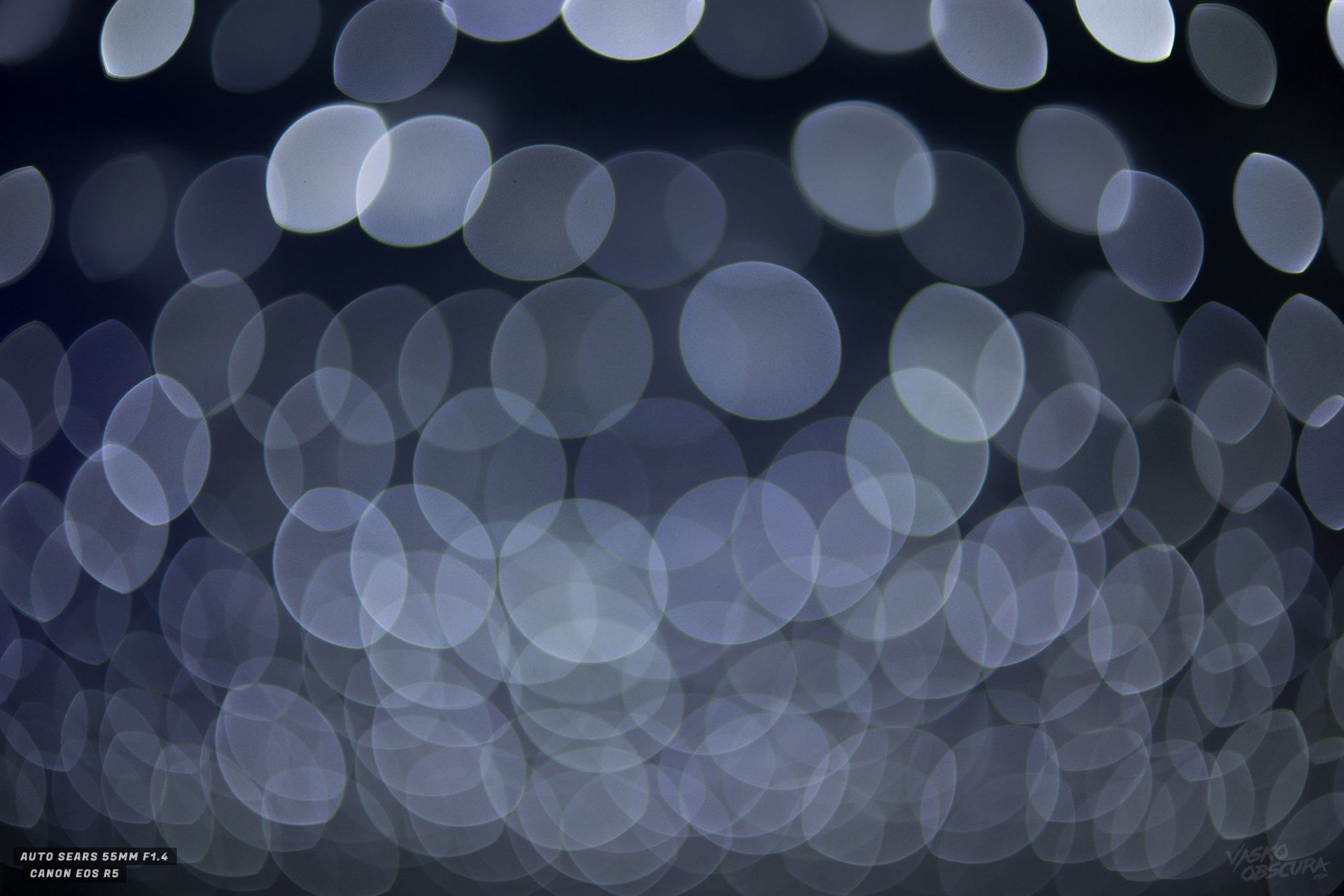
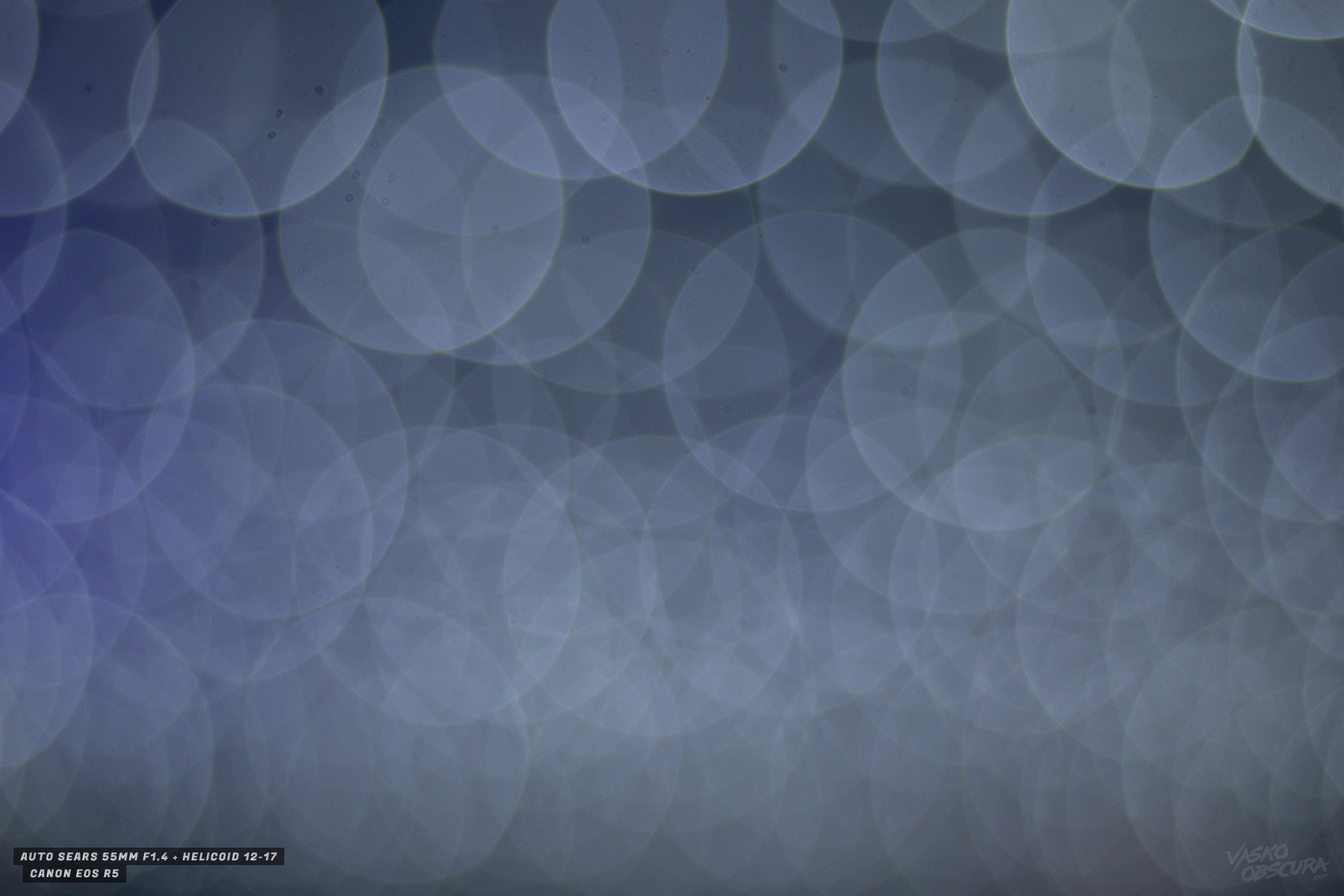
Here are two images showing bokeh balls with the lens wide open. The first image shows what the bokeh balls look like with the lens fully defocused. Round in the middle with cat’s eyes starting to form around the edges. The second image shows the bokeh that can be created with a short helicoid adapter. The background can become extremely creamy when the minimum focus distance is shortened.
Auto Sears 55mm f/1.4 bokeh balls test
Auto Sears 55mm f/1.4 bokeh with short Helicoid adapter
Contrast & Color Rendering
Compared to modern lenses, contrast is lower wide open. Colors lean slightly warm, especially in natural light. This gives images a film-like quality straight out of camera. I found that using my film simulation presets on images from this lens worked beautifully. Once stopped down, contrast increases and colors become more neutral. Shooting in RAW makes it easy to fine-tune the rendering while preserving the lens’s natural character. For photographers chasing a nostalgic aesthetic, this lens delivers it without feeling overly stylized.
Flare & Highlight Behavior
One thing I noticed while testing this lens is how it handles flare. Point it toward strong light sources and you’ll often see:
Gentle veiling flare
Highlight bloom
Reduced contrast in extreme backlight
Instead of feeling like a flaw, this flare can be used creatively. It adds atmosphere, especially in golden hour shooting or cinematic-style portraits. This is not a technically perfect lens, but it is expressive. Issues with flare outdoors can easily be solved by using a lens hood or simply using your hand or a piece of cardboard to shield the lens from direct light.
Auto Sears 55mm f/1.4 lens flare
Edge Performance & Vignetting
Wide open at f/1.4, the Auto Sears 55mm f/1.4 shows noticeable edge softness and mild corner vignetting, especially on full-frame cameras. This is typical behavior for vintage fast primes from the 1960’s -70’s and contributes to the classic rendering many photographers appreciate today. On APS-C sensors, the crop factor reduces visible edge softness and eliminates vignetting, resulting in a cleaner frame overall.
When adapted to an APS-C camera, the 55mm focal length becomes approximately 88mm equivalent, making this lens an excellent choice for portrait photography. The added reach enhances subject compression and background separation while maintaining the vintage character of the lens.
Stopping down to f/4-f/5.6 significantly improves edge sharpness and overall frame consistency, making the Auto Sears 55mm f/1.4 more balanced and versatile for everyday shooting.
For more technical specifications and historical background on this vintage 55mm f/1.4 lens, check out my detailed mini review after you read this one.
Shooting Experience on Modern Mirrorless Cameras
Auto Sears 55mm f/1.4 mounted on a Canon EOS R5 Mark II
Using the Auto Sears 55mm f/1.4 on a modern mirrorless body brings out both its strengths and quirks. High-resolution sensors reveal its character clearly, the glow, the softness wide open, the transition to crisp detail when stopped down.
There’s something about this lens that’s difficult to put into words. It has a certain aura, a presence that goes beyond specifications or image quality. The moment I pick it up, it simply feels different in the hands, and it makes me want to go out and shoot. In many ways, it reminds me of the Fujifilm X100V or the Mir-24H 35mm f/2. Once you have them in your hand, something shifts creatively, and you feel more inspired to make photographs. It may not be entirely logical, but that’s been my genuine experience with this lens.
😎 Pro Tip: Focus peaking and magnification make it easy to nail focus at f/1.4, something that would have been far more challenging in the original film era. Set custom buttons for peaking and magnification to make your life easier.
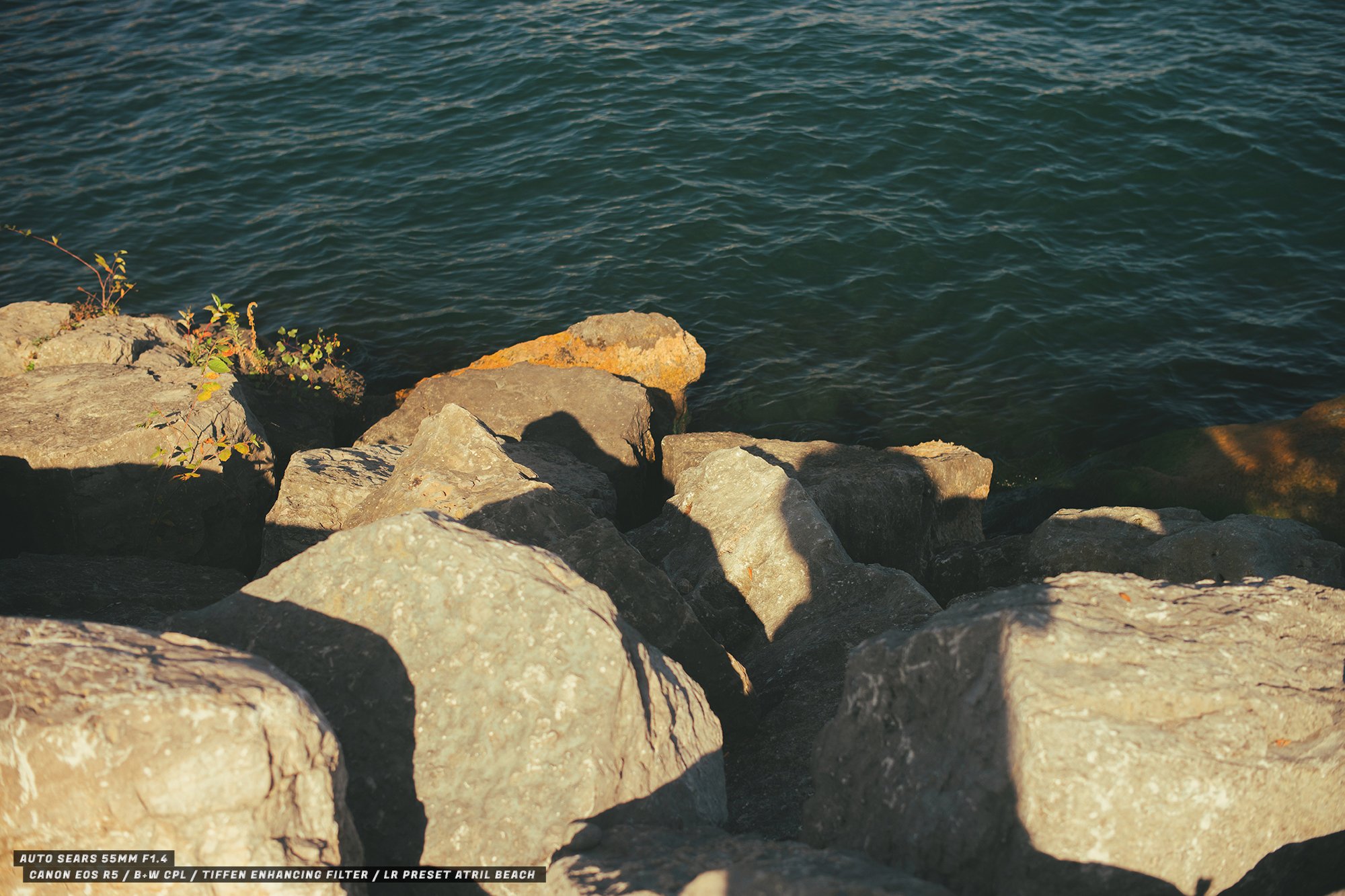
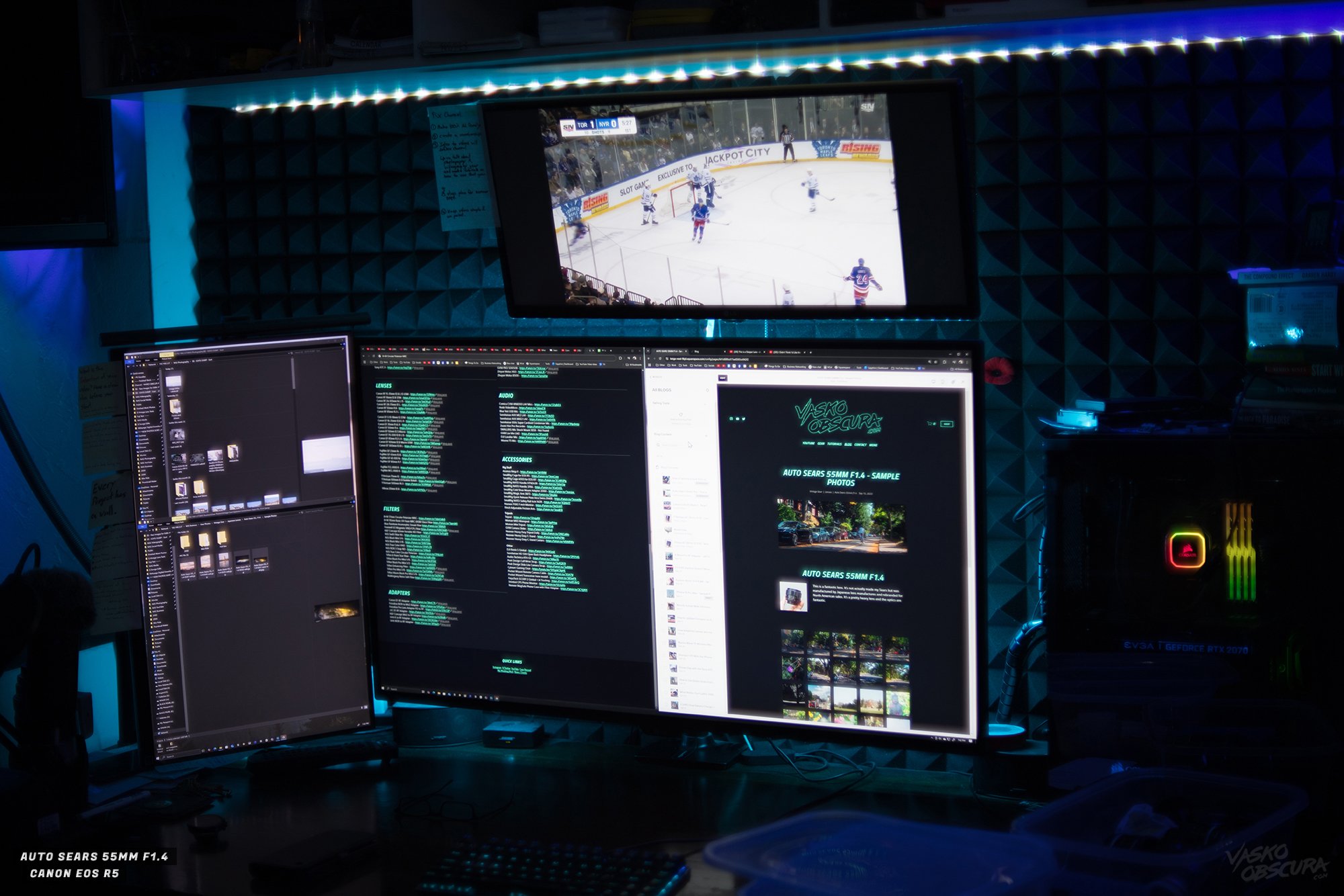
Sample Photos
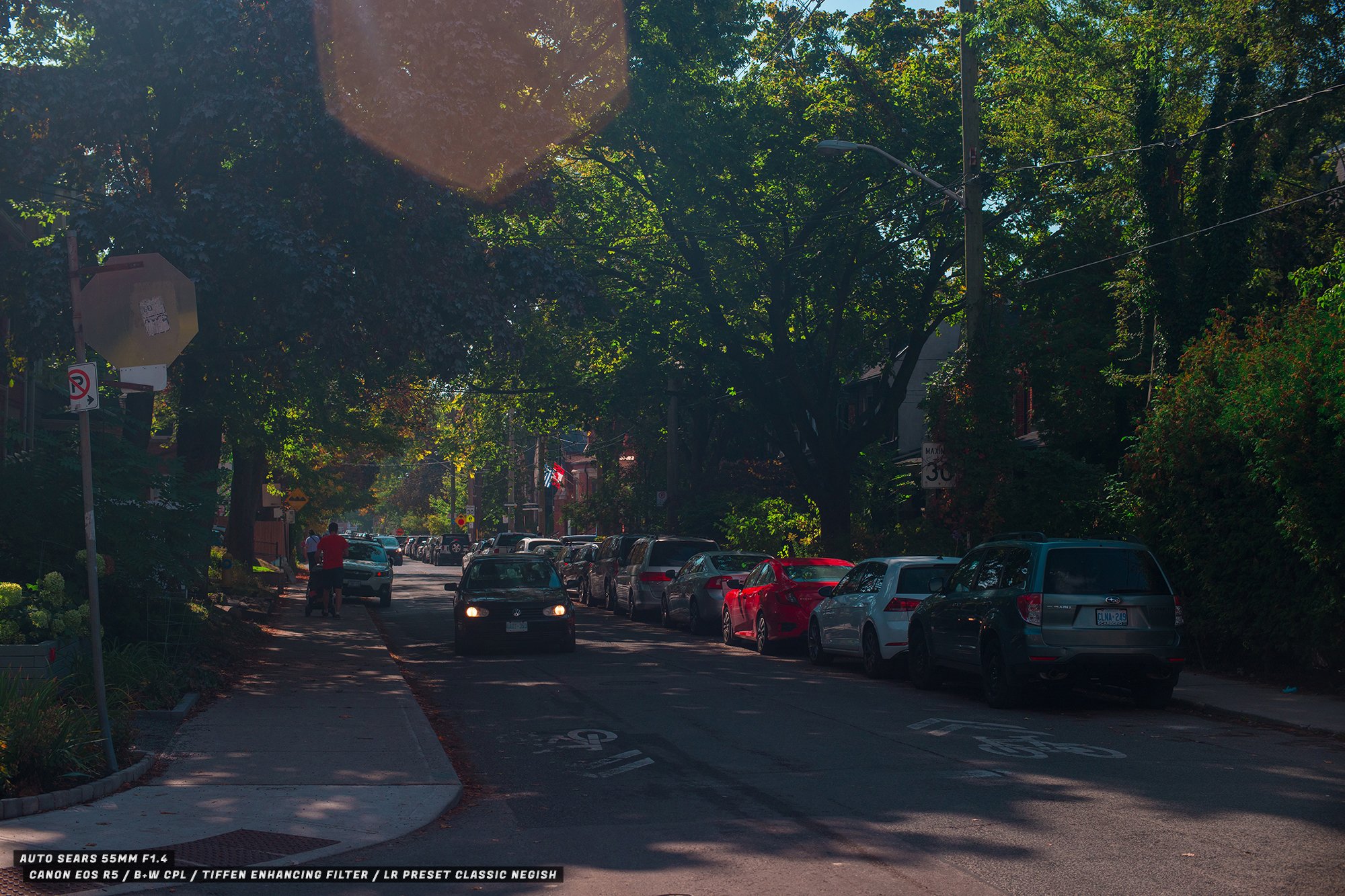


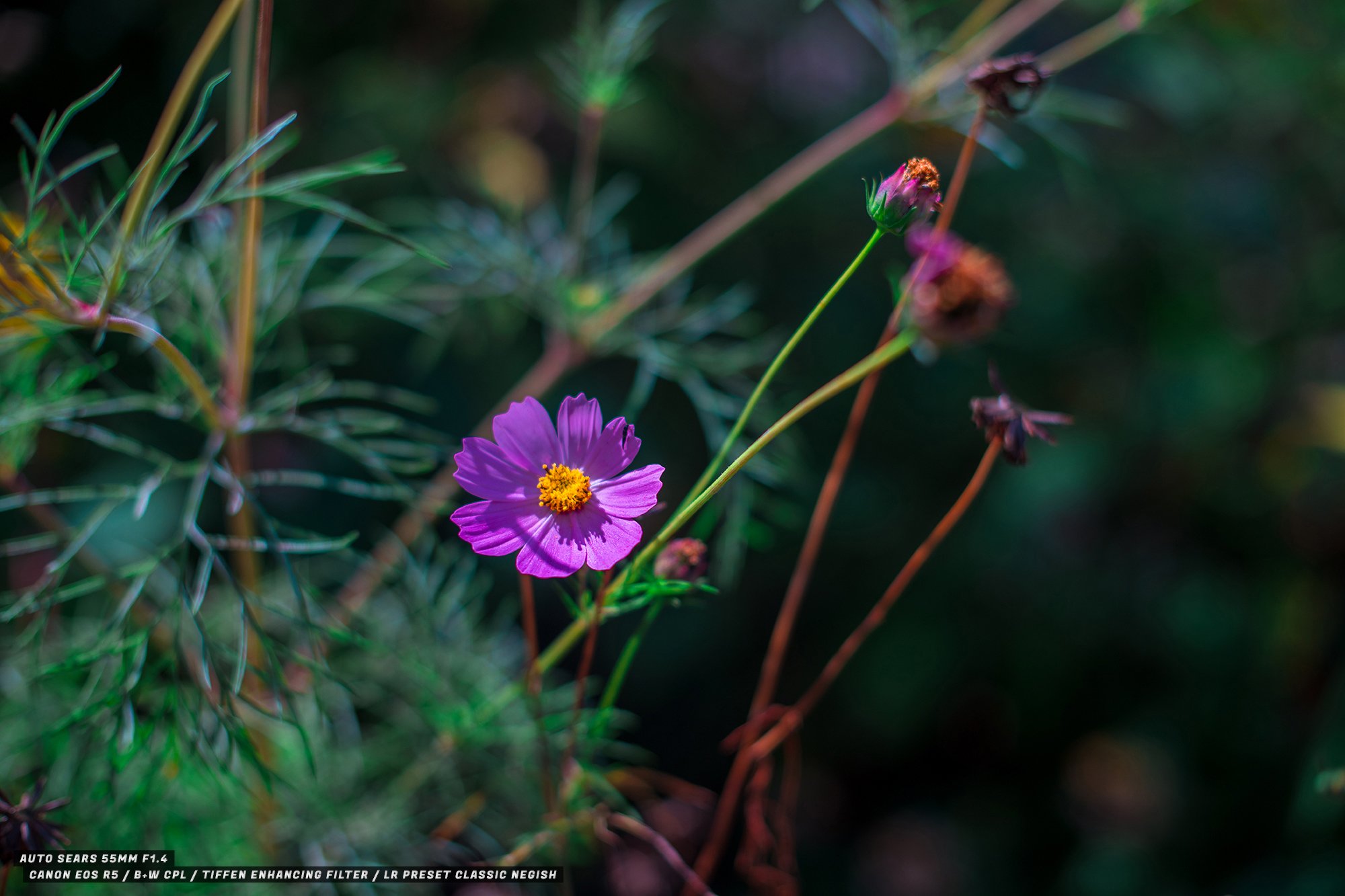

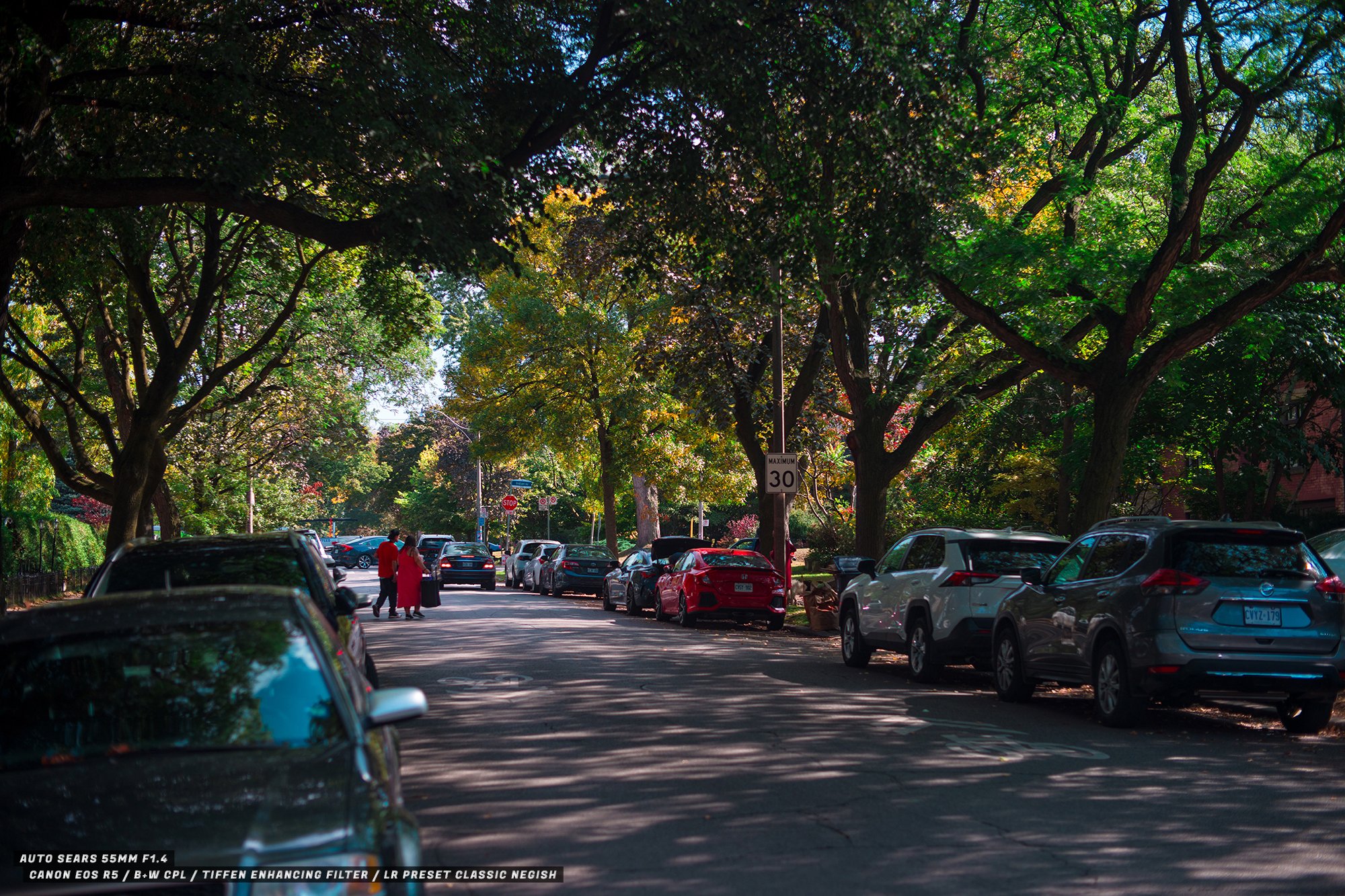

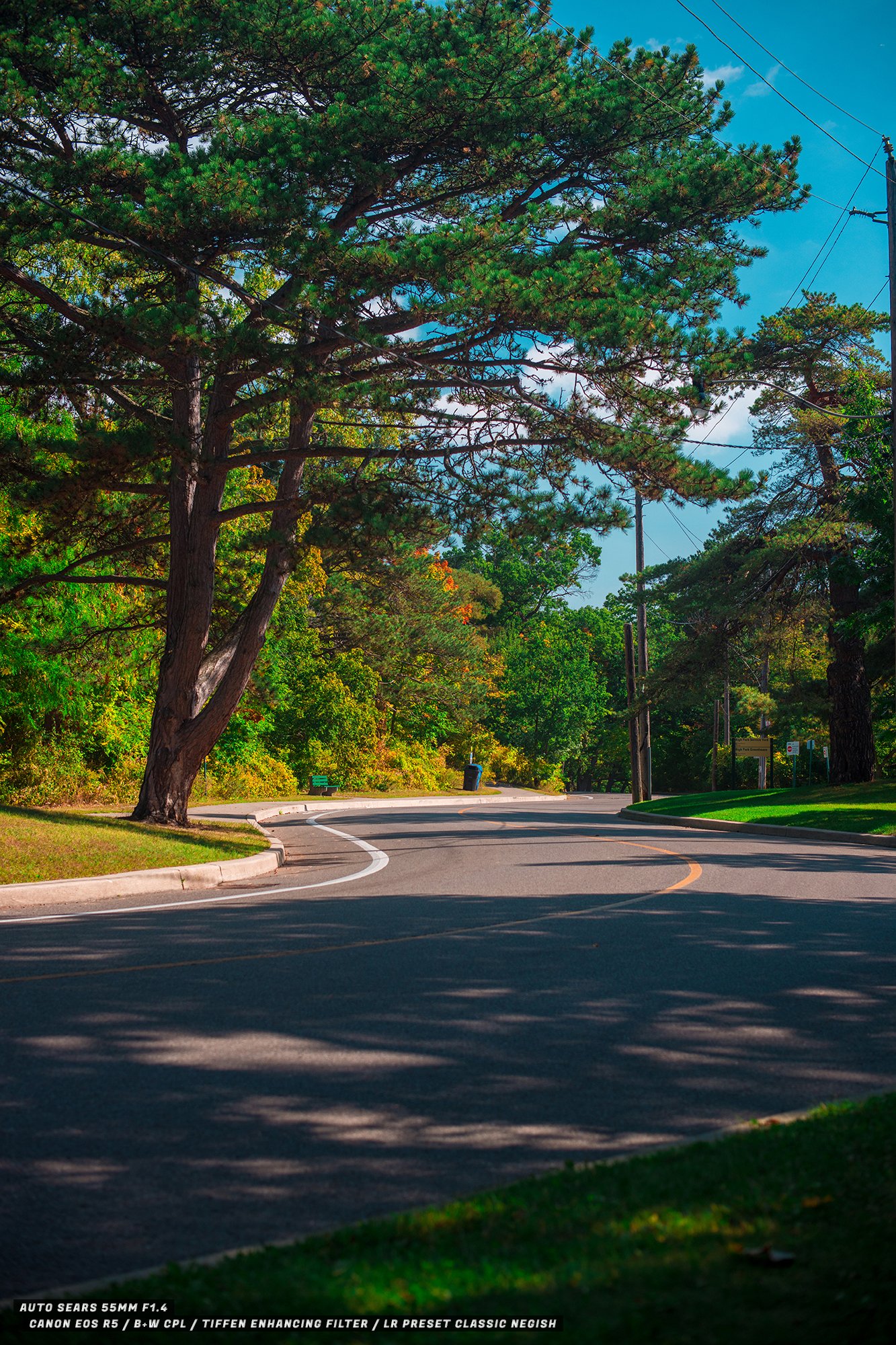

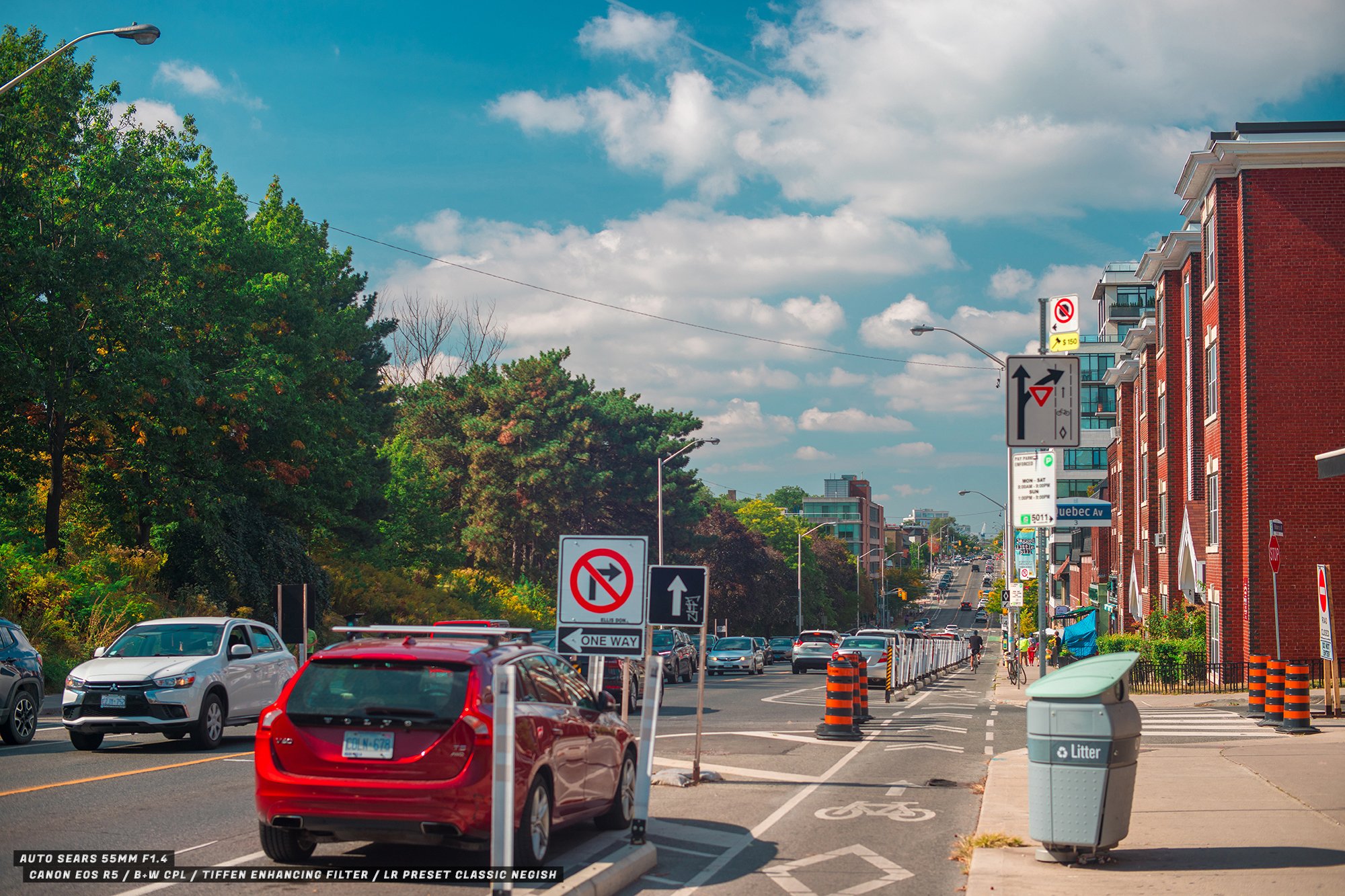

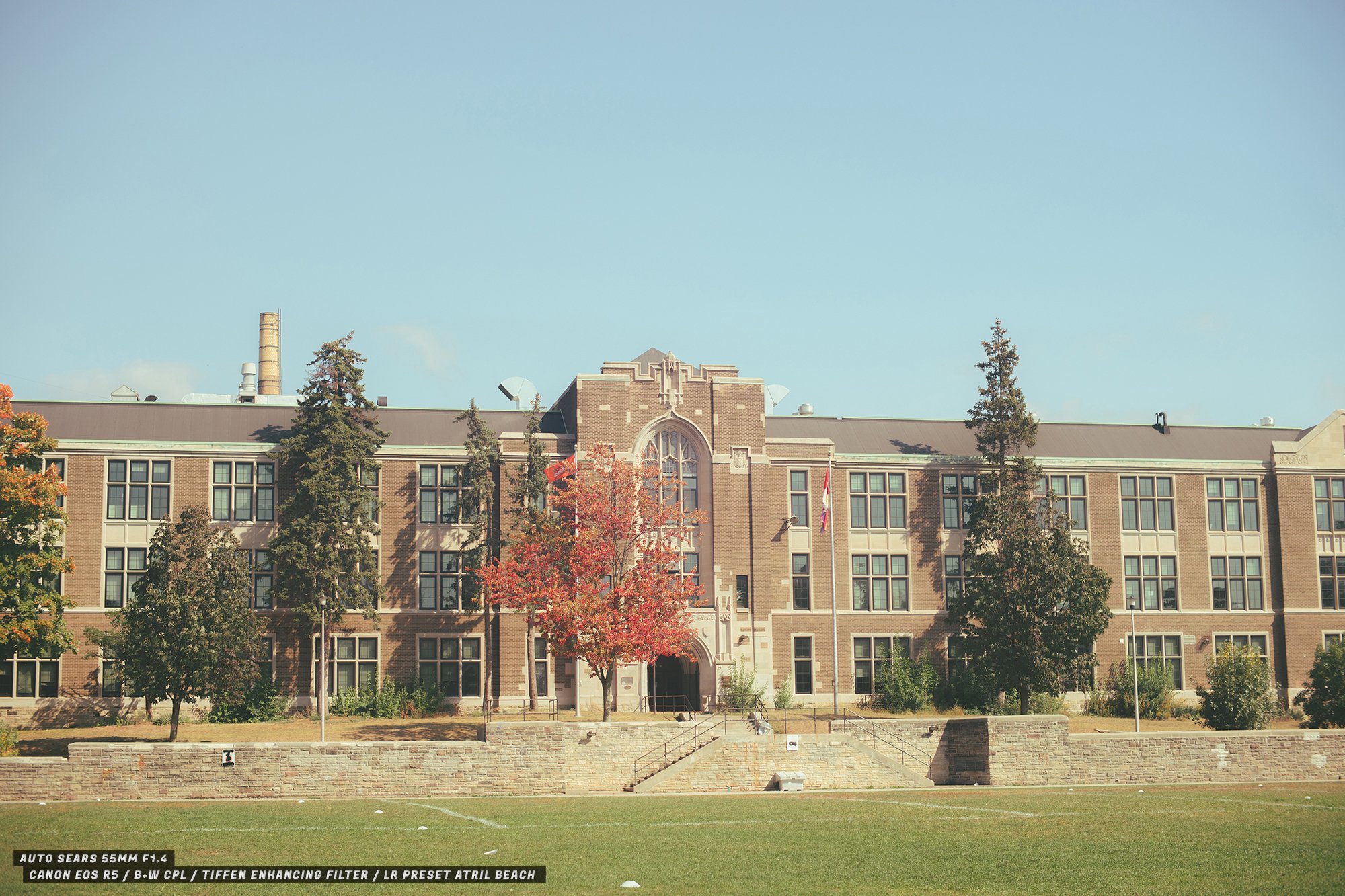


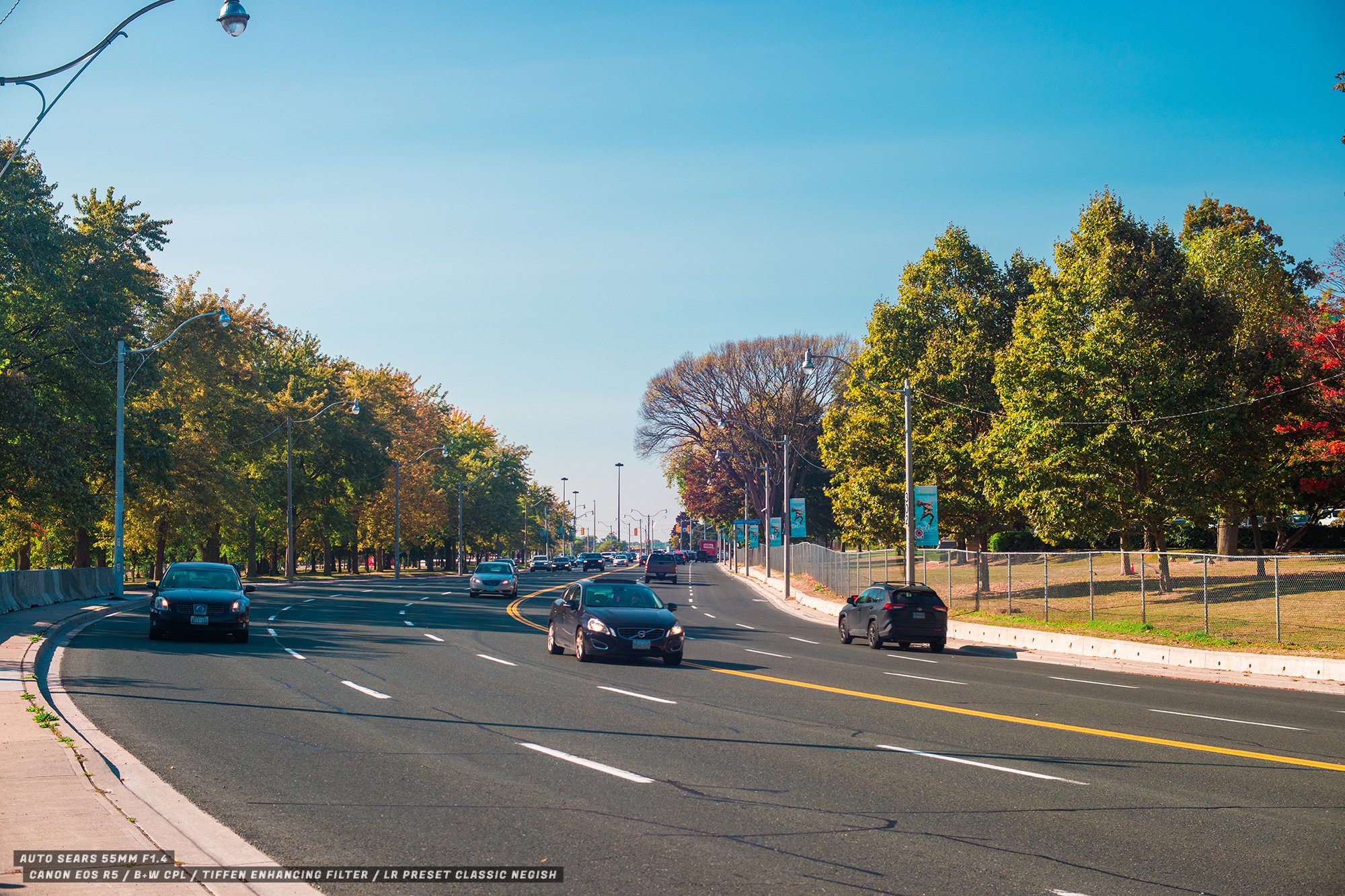


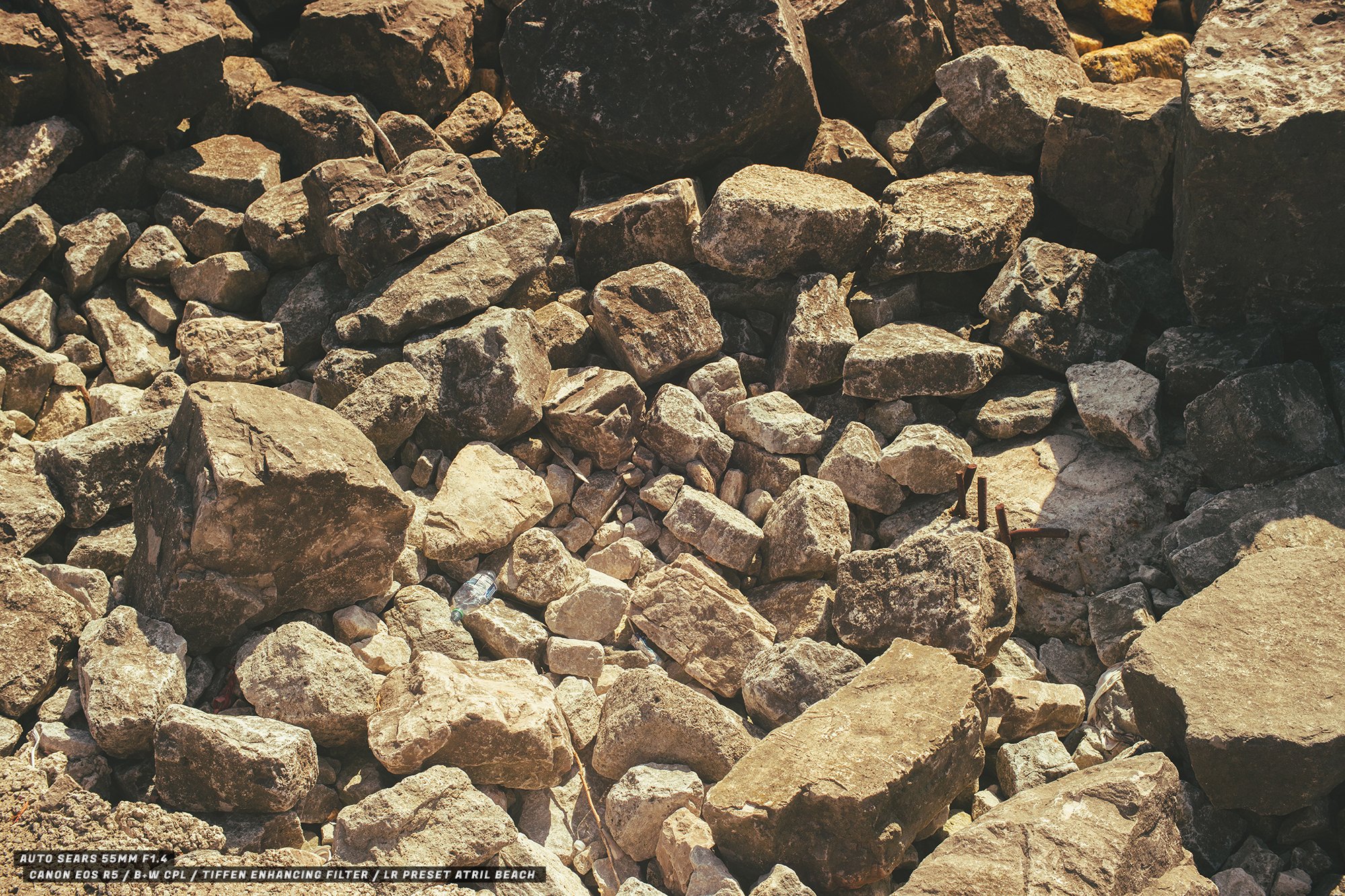




Is the Auto Sears 55mm f/1.4 Worth Buying?
For photographers researching whether the Auto Sears 55mm f/1.4 vintage lens is worth adding to their kit, here’s my honest take.
If you want:
Modern sharpness wide open
Perfect edge-to-edge performance
Clinical contrast
This probably isn’t the lens for you.
But if you’re looking for:
Classic 1970s rendering
Smooth bokeh with character
A fast, affordable vintage 55mm lens
Mechanical, tactile shooting experience
Then this lens absolutely deserves consideration. It’s one of those vintage primes that feels alive rather than sterile.
Final Thoughts
The Auto Sears 55mm f/1.4 may have started life as a department store lens, but decades later it holds its own among respected vintage glass. It offers a blend of softness, warmth, and mechanical craftsmanship that modern lenses rarely replicate. For collectors and vintage lens shooters, it’s a compelling and often underrated option, especially for those building a character-driven manual focus kit. In the right hands, it produces images that feel intentional, textured, and unmistakably analog in spirit. It’s
📖 Read Next:
Auto Sears 55mm f/1.4 - Mini Review
How to Set Up Your Camera to Shoot With Vintage Lenses