
Canon nFD 17mm f/4 Image Quality Review - Optical Performance Breakdown
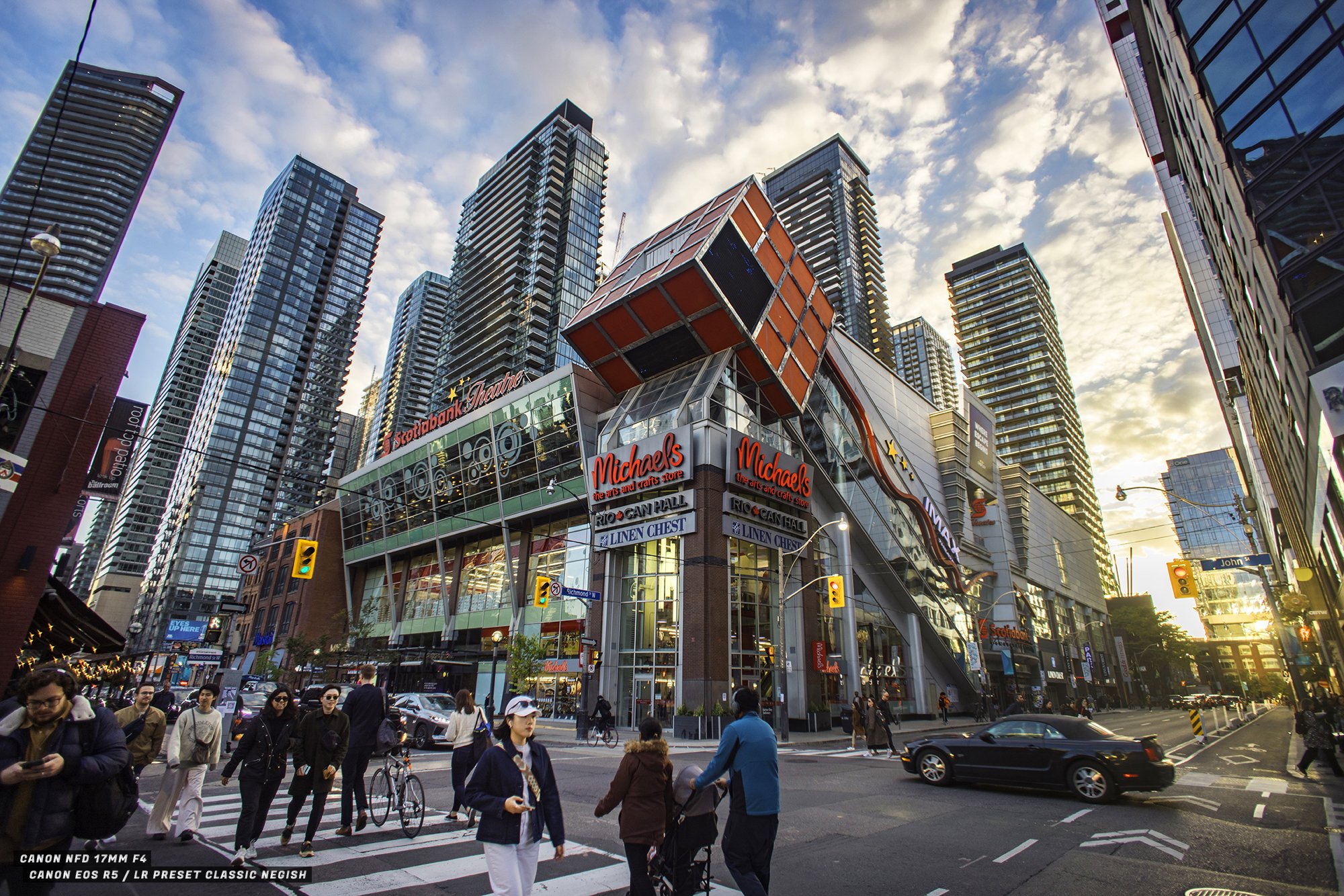
Canon nFD 17mm f/4 Image Quality Review
The Canon nFD 17mm f/4 is one of those vintage lenses that reminds you why older glass still matters. It’s not about chasing perfection, it’s about character, rendering, and the overall feel of the image. On of the things that I absolutely love about this lens is the nostalgic feelings I get when I look at the images it creates. I was a kid exploring photography in the 90’s and this lens takes me right back to that time. For me anyway, this lens has plenty of that “it” factor and I love shooting with it.
In this post, I’m focusing purely on optical performance and image quality, based on real-world use across both photography and video. If you want a more technical breakdown of this lens check out this post here after you read this one.
Optical Performance Overview
The Canon nFD 17mm f/4 delivers solid optical performance for a late 1970s ultra-wide lens, especially when you consider what it was designed for. At its maximum aperture of f/4, center sharpness is already quite good, with enough detail and contrast for most real-world shooting situations. However, the edges and corners are noticeably softer, with some visible aberrations and a drop in clarity. This is typical for vintage ultra-wide lenses and is part of the overall rendering style rather than a flaw.
When stopping the lens down to f/5.6 and f/8, there is a clear improvement in image quality across the frame. Edge sharpness becomes more defined, contrast evens out, and the lens becomes much more reliable for landscapes and architectural work. That said, the corners never fully match the sharpness of the center, even at optimal apertures. Personally, I don’t see this as a negative, it contributes to the character and helps separate this lens from the overly clinical look of modern optics.
Sharpness
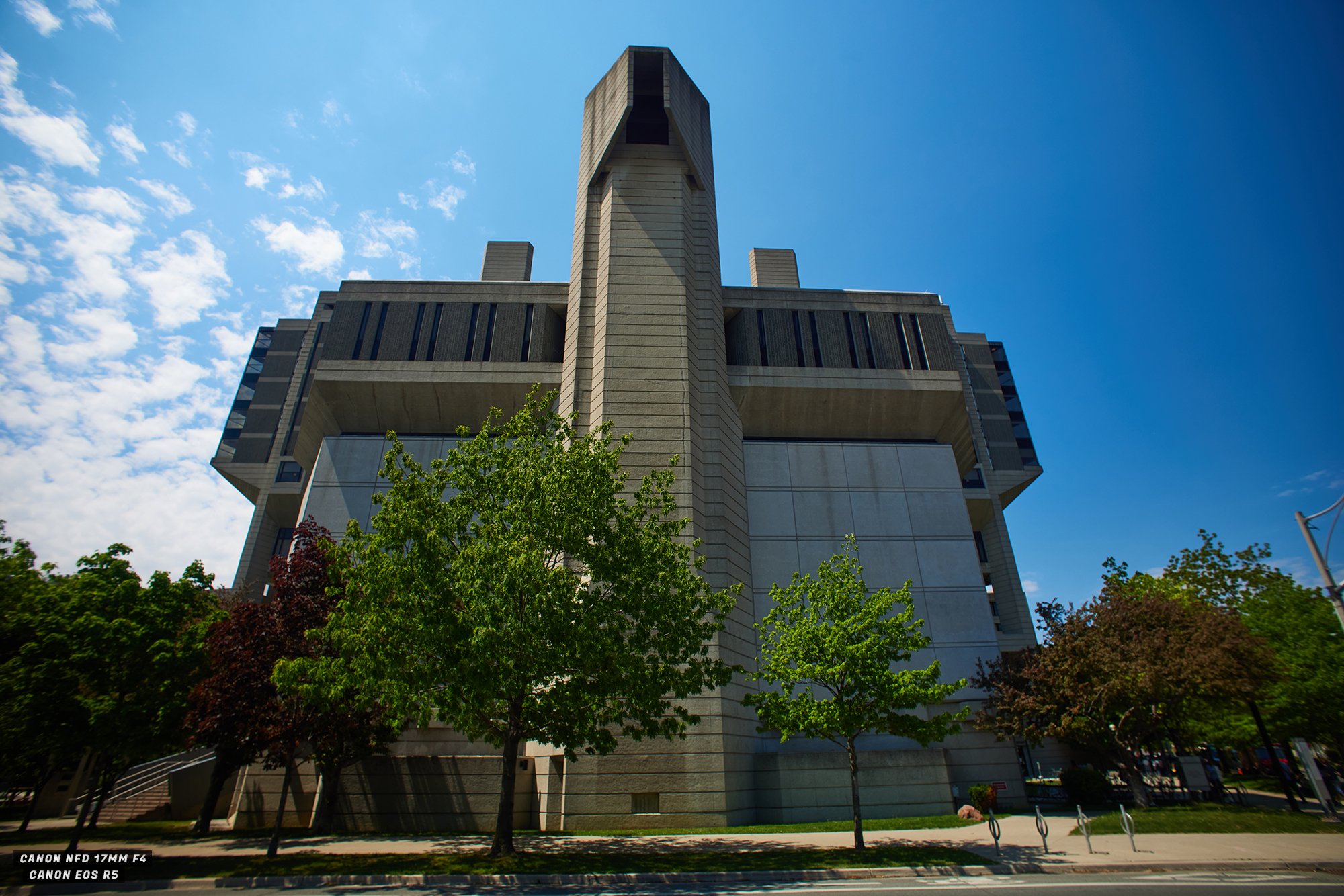
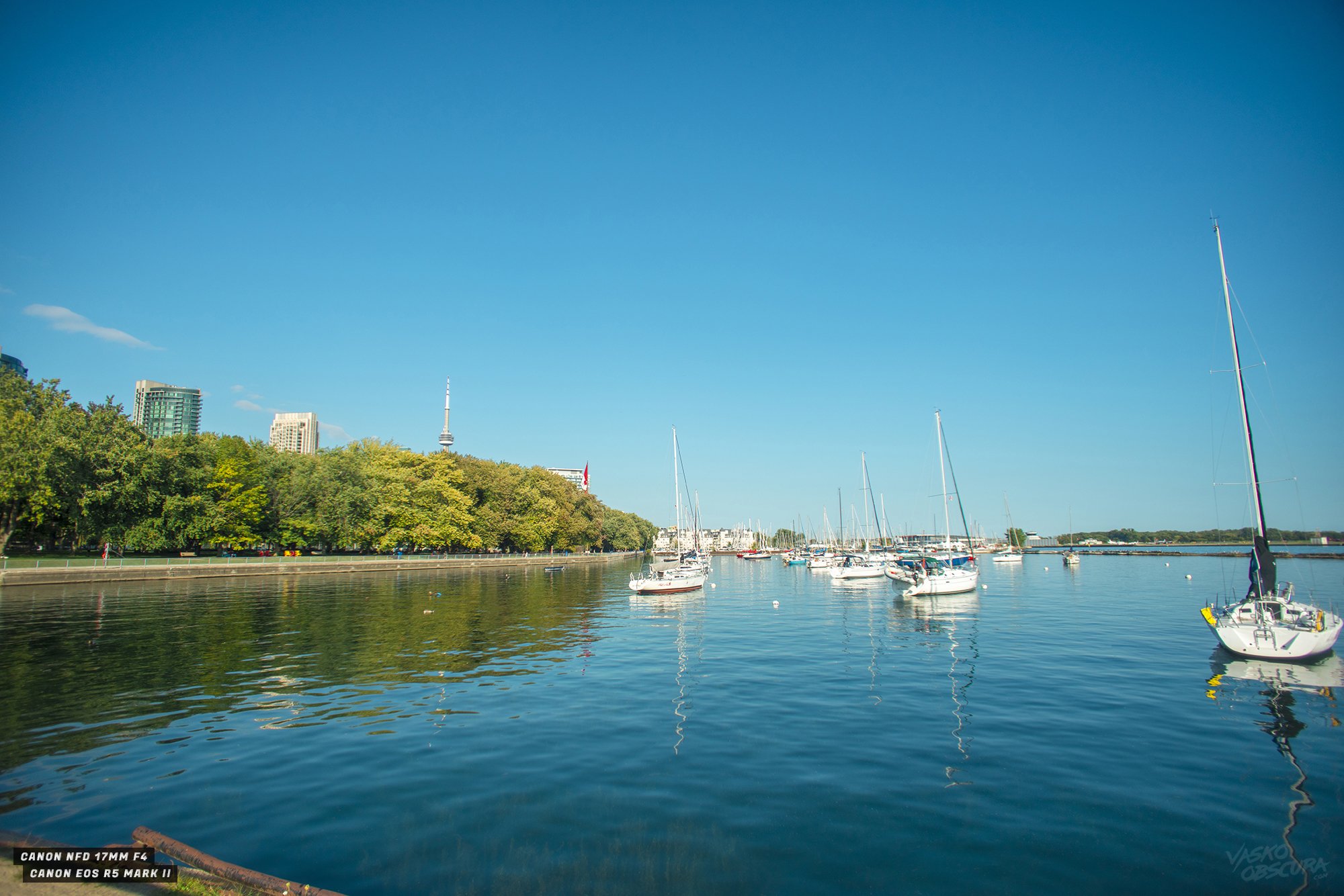
In real-world use, the sharpness profile of this lens is very usable and predictable. Wide open at f/4, the center delivers pleasing detail with a slightly softer rendering that works well for both photography and video. The edges are softer, but not to the point of being unusable unless you’re doing highly technical work.
As you stop down to f/5.6 and especially f/8, the overall sharpness improves noticeably. This is where I find the lens performs best if I want a more balanced image across the frame. Even then, the center remains the strongest area, and the edges retain a subtle softness that gives images a more organic look. Overall I would say this lens is on par with other lenses from this time period.
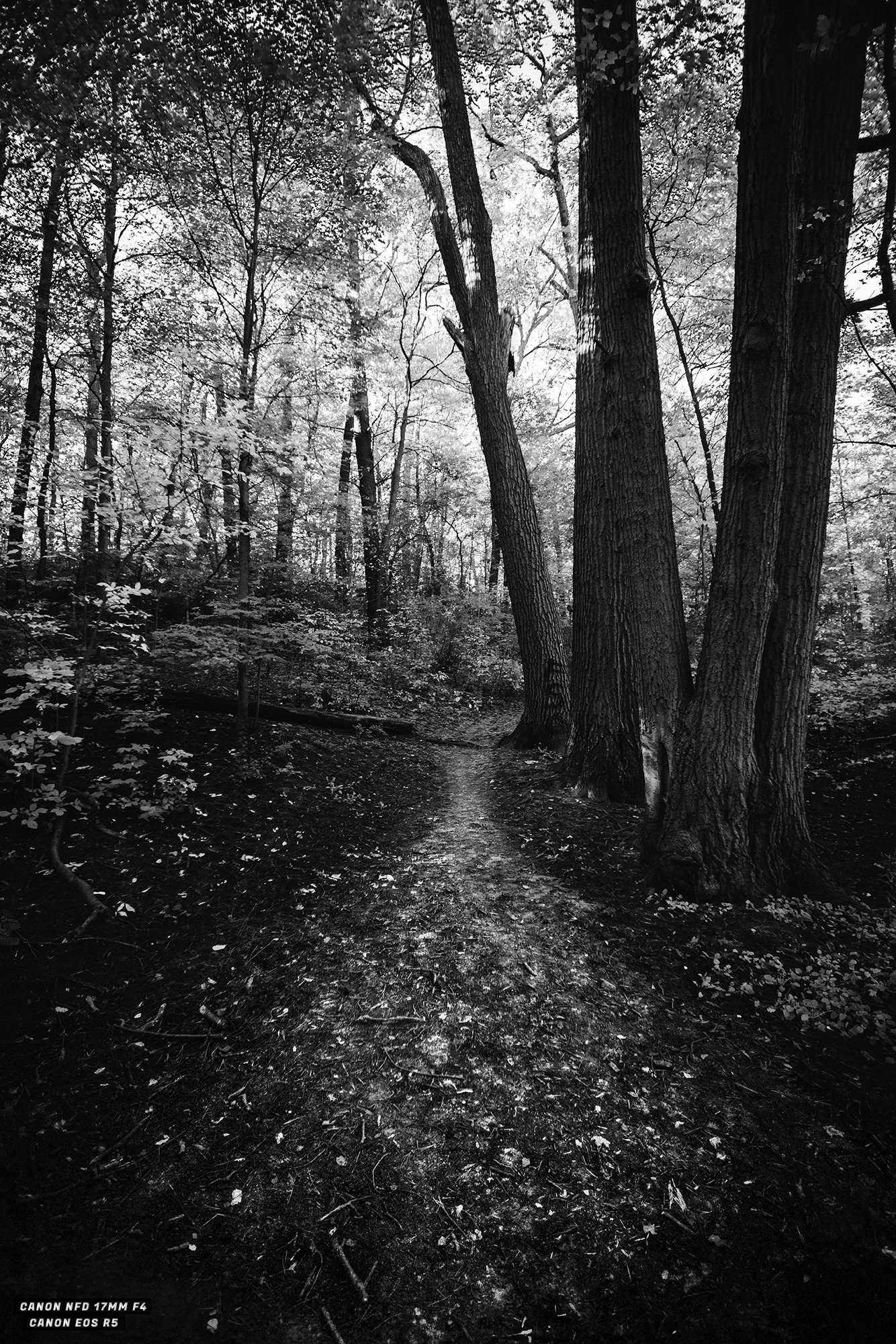
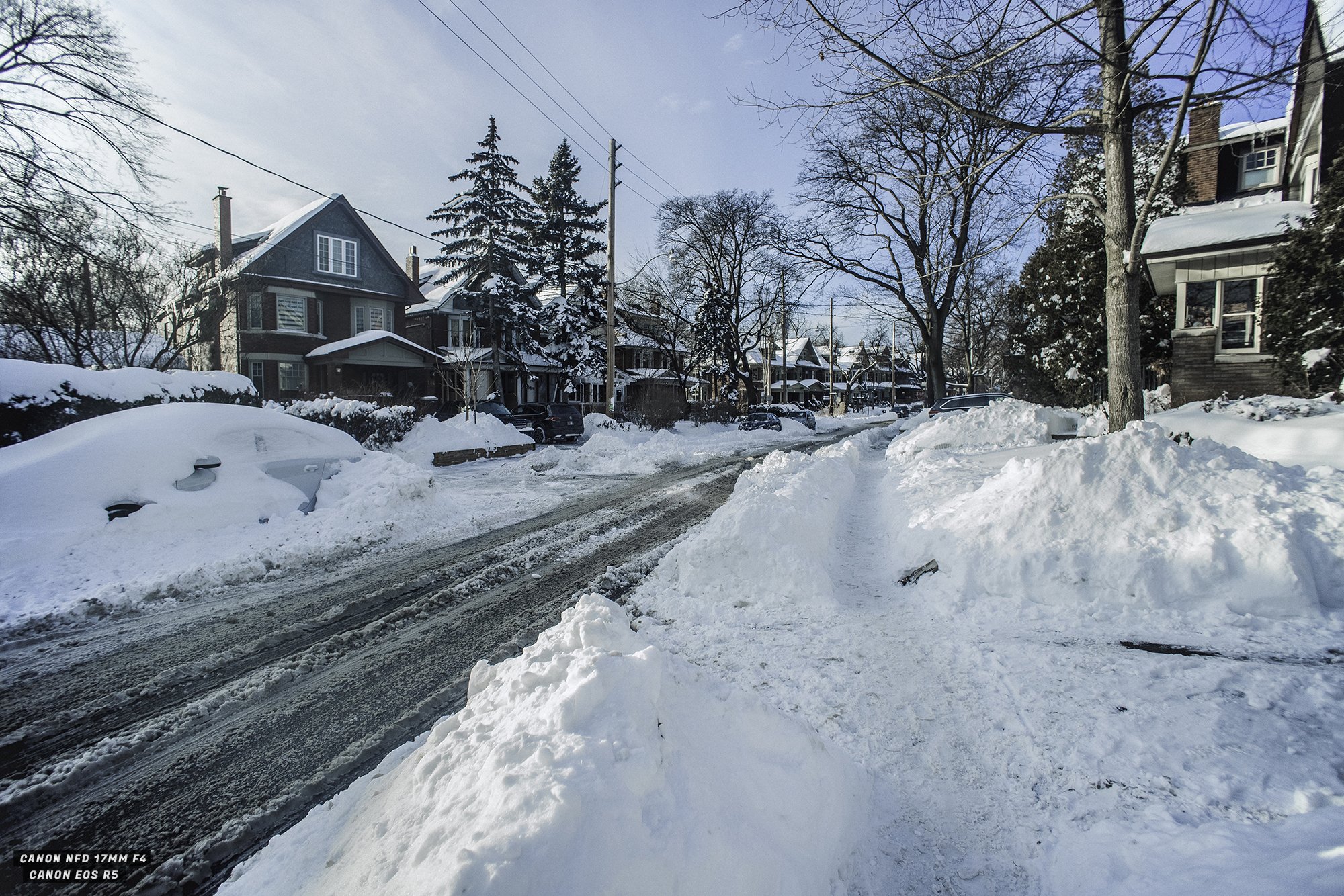
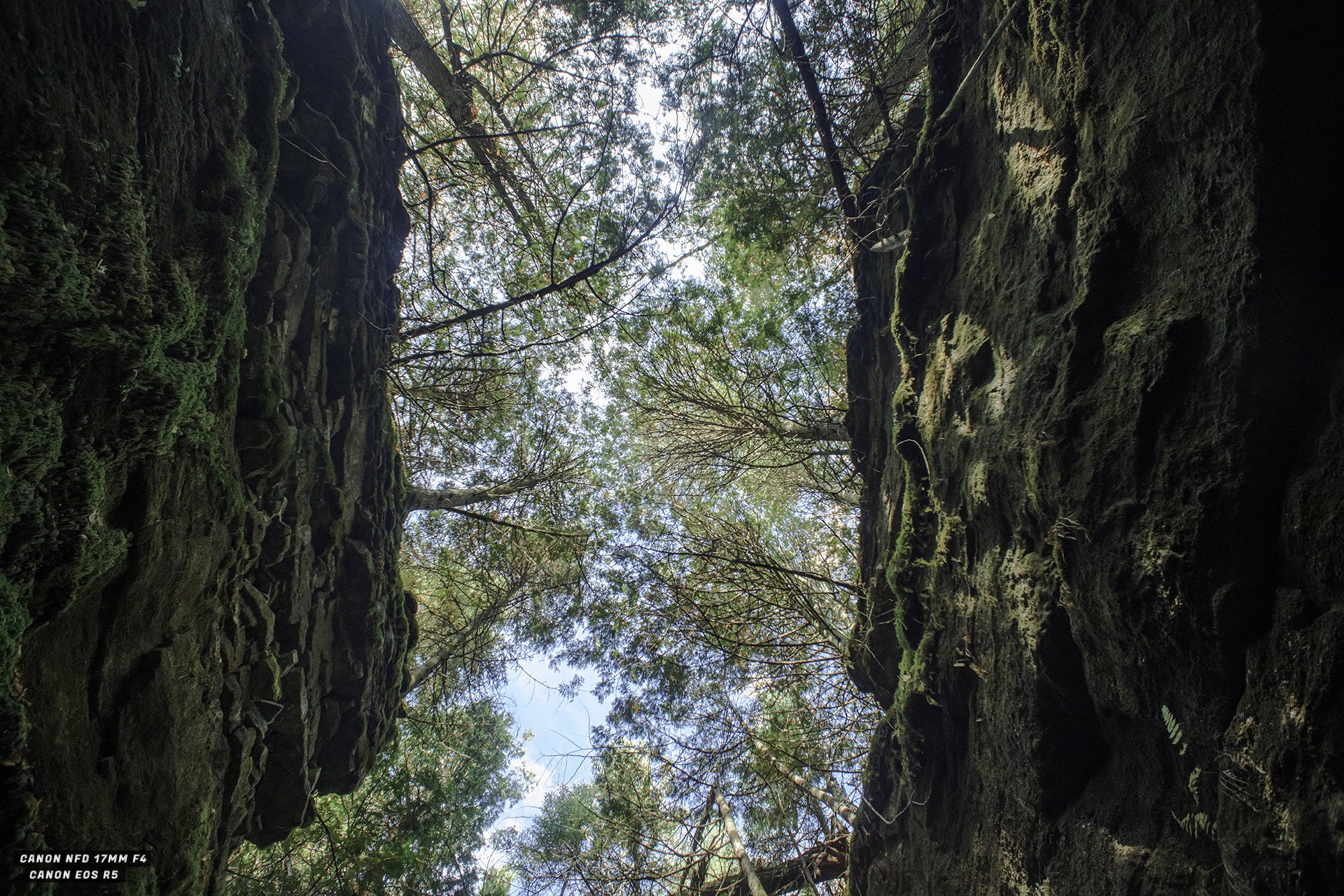
Sample Images








Vignetting
Vignetting can be noticeable at f/4, with visible darkening in the corners of the frame. Rather than being distracting, I find that it actually enhances the image by adding depth and subtly guiding the viewer’s eye toward the center. It’s one of those characteristics that reinforces the vintage aesthetic rather than detracting from it.
As the lens is stopped down, the vignetting reduces significantly. By f/5.6 it becomes much less prominent, and by f/8 it is nearly gone. This gives you flexibility depending on whether you want to embrace that vintage look or clean things up for a more neutral result.
🎯 Pro Tip: Here is some advice when using any wide angle lens. Use a step up ring from the lenses filter thread to a 72mm for 82mm filter. This way you can use filters without worrying about them creating a vignette in your image.
Flare & Contrast
Flare performance is surprisingly good for a lens of this age, largely thanks to Canon’s Super Spectra Coating. When shooting into bright light, the lens maintains a decent level of contrast without completely washing out the image. Here is an extreme example of the flare you get when pointed directly into the sun. The image surprisingly retains contrast but the artifacting is intense.
What stands out most is the way this lens handles highlights. Instead of producing harsh or distracting flare artifacts (when not pointed at the sun), it creates a soft glow around bright light sources. This gives images a cinematic, slightly dreamy quality that feels intentional rather than problematic. It’s a perfect example of how vintage imperfections can actually enhance the final image.
Distortion
For a 17mm ultra-wide lens, distortion is relatively well controlled. There is some barrel distortion present, which is expected at this focal length, but it’s not overly aggressive. In most real-world shooting situations, especially landscapes and environmental compositions, it’s not a major concern.
With careful composition or minor corrections in post-processing, distortion can be easily managed. For a lens from this era, the overall performance here is actually quite impressive.
Color Rendering
Color rendering is one of the standout qualities of the Canon nFD 17mm f/4. The lens produces slightly warm tones with natural saturation and a smooth tonal transition between highlights and shadows. Colors feel rich without being overly punchy, which works beautifully for both photography and video. As mentioned earlier this lens really has a nostalgic character that really resonates with me. I really like the look it creates. Combined with the subtle softness and highlight glow, the overall rendering has a distinctly cinematic feel. It’s the kind of look that adds emotion and atmosphere to an image without requiring heavy editing.
Real-World Image Quality
In real-world use, this lens consistently delivers images that feel immersive and full of character. It’s not about achieving perfect sharpness from corner to corner, it’s about the overall look and experience of the image. The ultra-wide perspective creates a strong sense of depth, while the subtle softness and rendering give photos and video a more organic, timeless quality. I’ve found this lens to be particularly effective for landscapes, cityscapes, environmental portraits, and cinematic video work. It encourages a more creative approach to composition and rewards you with images that feel unique.
Final Thoughts on Image Quality
The Canon nFD 17mm f/4 offers a compelling mix of solid optical performance and distinctive vintage character. It delivers strong center sharpness, improves nicely when stopped down, and handles flare in a way that enhances rather than detracts from the image. The color rendering and overall tonal quality give it a cinematic feel that stands out in today’s world of technically perfect lenses.
This isn’t a lens you choose for perfection, it’s a lens you choose for personality. And in that regard, it absolutely delivers.
🤓 Read Next:
Canon nFD 17mm f/4 Mini Review - Vintage Ultra-Wide Lens with Character
Vintage lens hub with more lens review