
Canon EOS R5 Mark II Sample Photos: Image Quality, Specs, and Real-World Review

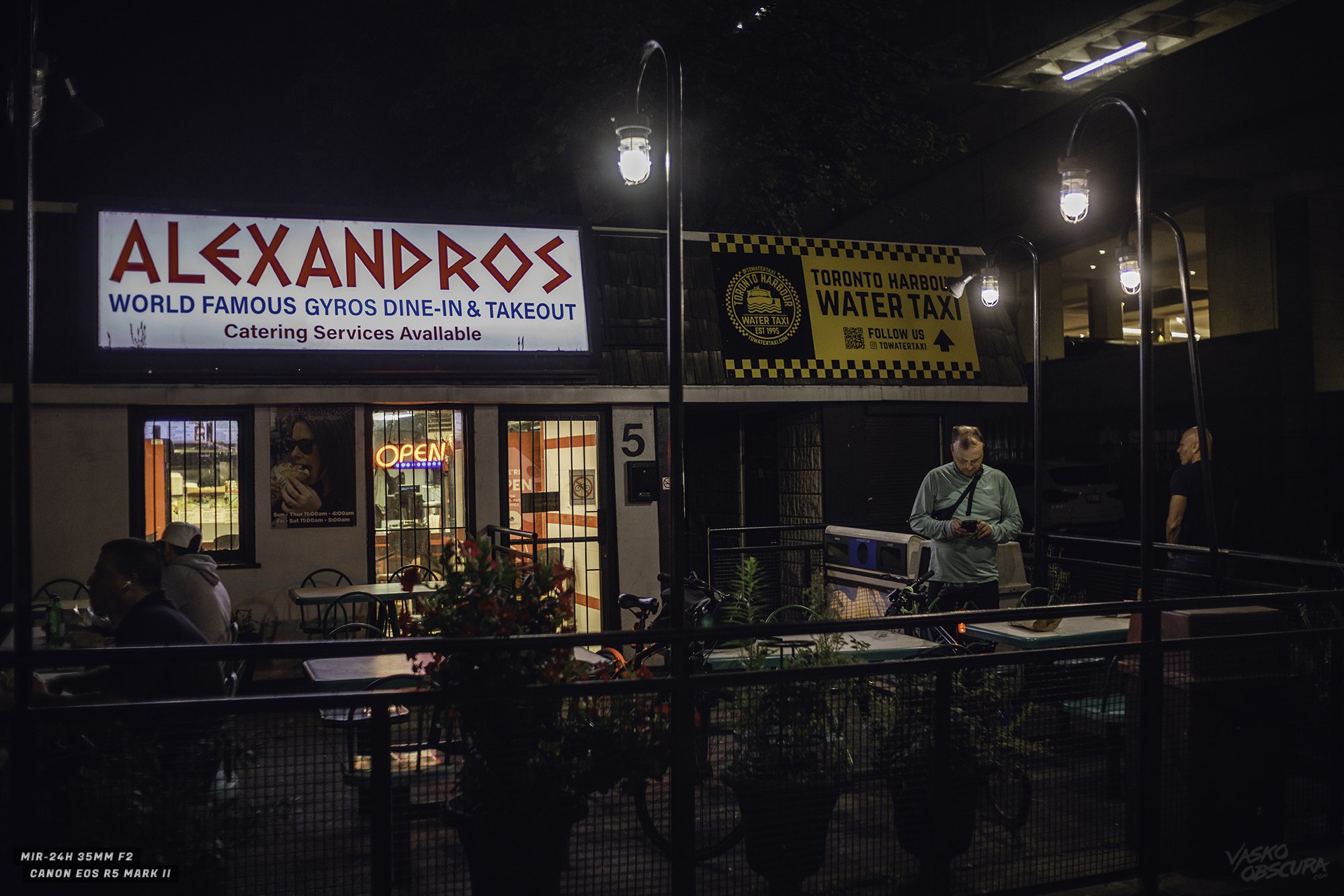
If you’re researching the Canon EOS R5 Mark II and wondering how its image quality performs in real-world shooting, you’re in the right place. Below, you’ll find a growing collection of sample photos taken with the EOS R5 Mark II, along with my honest impressions after using the camera in different shooting scenarios. I’ll continue updating this post as I do more shoots and testing with this camera. Also I have a lot more R5 Mark II content on the blog you can check out. So far, I’m extremely impressed with what the R5 Mark II delivers in terms of sharpness, dynamic range, color, and overall reliability. If you’re thinking about buying this camera, these images should give you a realistic idea of what you can expect.
Sample Photos




Canon EOS R5 Mark II Image Quality: First Impressions
The Canon EOS R5 Mark II produces outstanding image quality straight out of camera. Photos are extremely detailed, with excellent color reproduction and strong contrast. Whether shooting landscapes, portraits, street photography, or low-light scenes, the files coming from this camera are highly flexible in post-processing. The image quality is almost identical to the R5 original. However, one noticeable difference is that the R5 Mark II produced better red tones right out of camera. blog post: Canon EOS R5 vs R5 Mark II - Sensor Sharpness, Color Science & ISO Noise Test
One of the biggest improvements over previous models is how well the camera balances high resolution with speed and performance. Thanks to its stacked sensor design, the R5 Mark II handles fast-moving subjects while still delivering incredibly sharp 45MP images.
In practical use, this means:
Excellent detail for large prints and cropping
Strong highlight retention
Natural skin tones
Reliable exposure in difficult lighting
Even when pushing RAW files in editing software, images hold up very well without excessive noise or banding.
Canon EOS R5 Mark II Sensor and Image Quality Specs
Here are the key technical specifications that contribute to the R5 Mark II’s image performance:
Sensor: Approx. 45MP Full-Frame Stacked CMOS
Image Processor: DIGIC X (enhanced performance)
Native ISO Range: ISO 100–51,200 (expandable)
Autofocus System: Dual Pixel CMOS AF II
Burst Shooting: High-speed continuous shooting
File Formats: RAW, C-RAW, HEIF, JPEG
Dynamic Range: Excellent for still photography
Rolling Shutter: Reduced thanks to stacked sensor but still there.
The stacked sensor improves readout speed, reduces rolling shutter, and helps with autofocus tracking, making this camera a strong option for wildlife, sports, and action photography, while still delivering high-resolution files for landscape and studio work.
Real-World Performance and File Flexibility
What stands out most about the EOS R5 Mark II is how dependable it feels in everyday shooting. The camera performs consistently across different environments, from bright outdoor scenes to indoor and low-light situations. From hot temperatures to freezing temperatures Blog: Protecting Your Mirrorless Camera in Cold Environments. Noise control at higher ISO settings is very good for a 45MP sensor, and detail remains strong even when shooting in challenging conditions. If you enjoy editing your photos, you’ll appreciate how flexible the RAW files are. You can lift shadows, recover highlights, and fine-tune colors without degrading image quality. Though I will say this again if you shoot Canon it’s better to underexpose by a stop because most of Canon’s dynamic range is in the shadows. Paired with Canon RF lenses, the R5 Mark II delivers exceptional sharpness from edge to edge.
More Canon EOS R5 Mark II Content
This post is part of my ongoing coverage of the Canon EOS R5 Mark II.
I regularly publish: Sample photos, Real-world reviews, Shooting tips, Menu walkthroughs and YouTube videos. You can find much more EOS R5 Mark II content here on the blog, as well as on my YouTube channel, where I share in-depth video reviews and shooting experiences with this camera.If you’re considering buying the R5 Mark II, make sure to check out my other posts and videos for a complete look at what this camera can do.
Is the Canon EOS R5 Mark II Worth It?
If you’re looking for a high-resolution full-frame camera with excellent autofocus, fast performance, and outstanding image quality, the Canon EOS R5 Mark II is a very compelling choice.
It’s especially well-suited for wildlife, fast-action sports, and event photography, where advanced subject tracking and high-speed performance really matter. If your main focus is portraits, landscapes, product photography, or other slower-paced subjects that don’t require cutting-edge autofocus tracking, the original EOS R5 may be the better value.
In terms of pure image quality, the difference between the R5 and R5 Mark II is minimal for most photographers. For many shooters, paying significantly more for features they won’t fully use doesn’t make practical sense.
Canon’s 5-series cameras typically follow a four-year upgrade cycle, which means the EOS R5 Mark III is likely to arrive around 2028. If your current camera already meets your needs, it may be smarter to save your money now and upgrade later when those next-generation features arrive.
Check Current Price
Canon EOS R5 Mark II FAQ (Frequently Asked Questions)
Does the R5 Mark II have good low-light performance?
Yes. Despite the high resolution, the camera handles high ISO well and produces clean files in low-light situations.
Is the EOS R5 Mark II good for wildlife and sports?
Yes. Its stacked sensor, fast burst rates, and advanced autofocus make it very capable for action photography.
Can I crop photos from the R5 Mark II without losing quality?
Yes. The 45MP resolution gives plenty of room for cropping while maintaining detail.
What file formats does the R5 Mark II support?
It supports RAW, C-RAW, HEIF, and JPEG formats.
Is the Canon EOS R5 Mark II good for beginners?
It’s more suited for intermediate to advanced photographers due to its price and advanced features, but beginners can grow into it.
How does the R5 Mark II compare to the original R5?
The Mark II improves readout speed, AF performance in photo and video, overheating performance in video and overall color science. I own both cameras and to be honest when shooting photos it’s hard to tell the difference. For vide the R5 MKII tracks faces with glasses a lot better.
What lenses work best with the R5 Mark II?
Canon RF lenses perform best, especially L-series lenses, though EF lenses work well with an adapter. I’ve had no issues adapting my old EF glass the the R5 Mark II. blog: Best Budget EF to RF Adapter
Final Thoughts
The Canon EOS R5 Mark II delivers flagship-level image quality with impressive detail, dynamic range, and color accuracy. It’s a camera that performs consistently in real-world shooting and produces files that are a pleasure to work with in post-production. I’ve had zero issues with the camera so far and I’ve been using it since the first day it was available on the market. Overall if this camera fits your needs than it is for sure worth investing in. Just keep in mind that the R5 Marl III will be coming in 2028 so. . . . maybe you want to wait for that one instead.
I’ll continue adding new sample photos and updates to this post as I use the camera on more shoots. If you’re researching the EOS R5 Mark II, be sure to explore the rest of my blog and YouTube channel for more hands-on content, reviews, and tutorials.
Thanks for reading.
🤓Read Next:
🡢 Canon EOS R5 vs R5 Mark II - Sensor Sharpness, Color Science & ISO Noise Test
🡢 Canon EOS R5 Mark II Video Formats Explained (Beginner-Friendly Guide)