
Canon FD 28mm f/3.5 S.C. Chrome Nose Image Quality Review: Vintage Rendering & Optical Character
Canon FD 28mm f3.5 S.C. Chrome Nose
What if a lens’s imperfections are actually its biggest strength? That’s exactly what I found when shooting with the Canon FD 28mm f/3.5 S.C. Chrome Nose. Unlike modern lenses that aim for technical perfection, this one leans into a more expressive, character-driven look, where flare, contrast, and subtle softness all play a role in shaping the final image.
As an early FD lens with Canon’s original Spectra Coating, the optical performance here feels distinctly vintage. It’s not about clinical sharpness, it’s about how the lens renders a scene. And in many cases, that rendering feels far more interesting than what you get from modern glass.
In this post, I’m focusing entirely on the image quality of the Canon FD 28mm f/3.5 Chrome Nose, breaking down its sharpness, color rendering, flare behavior, and the unique optical quirks that define its character. If you want a review of the physical attributes of this lens check out this post next.
Sharpness and Detail Rendering
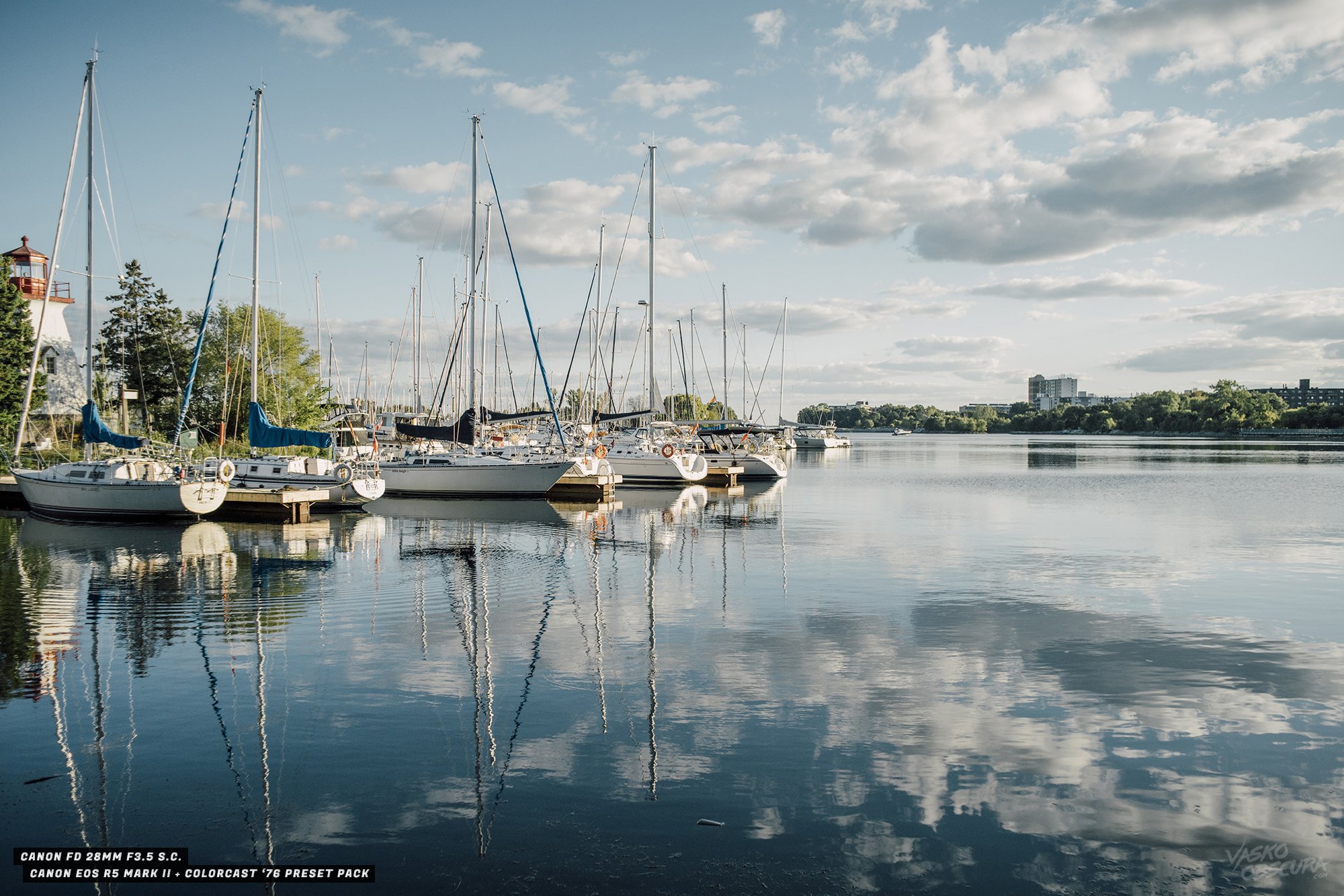
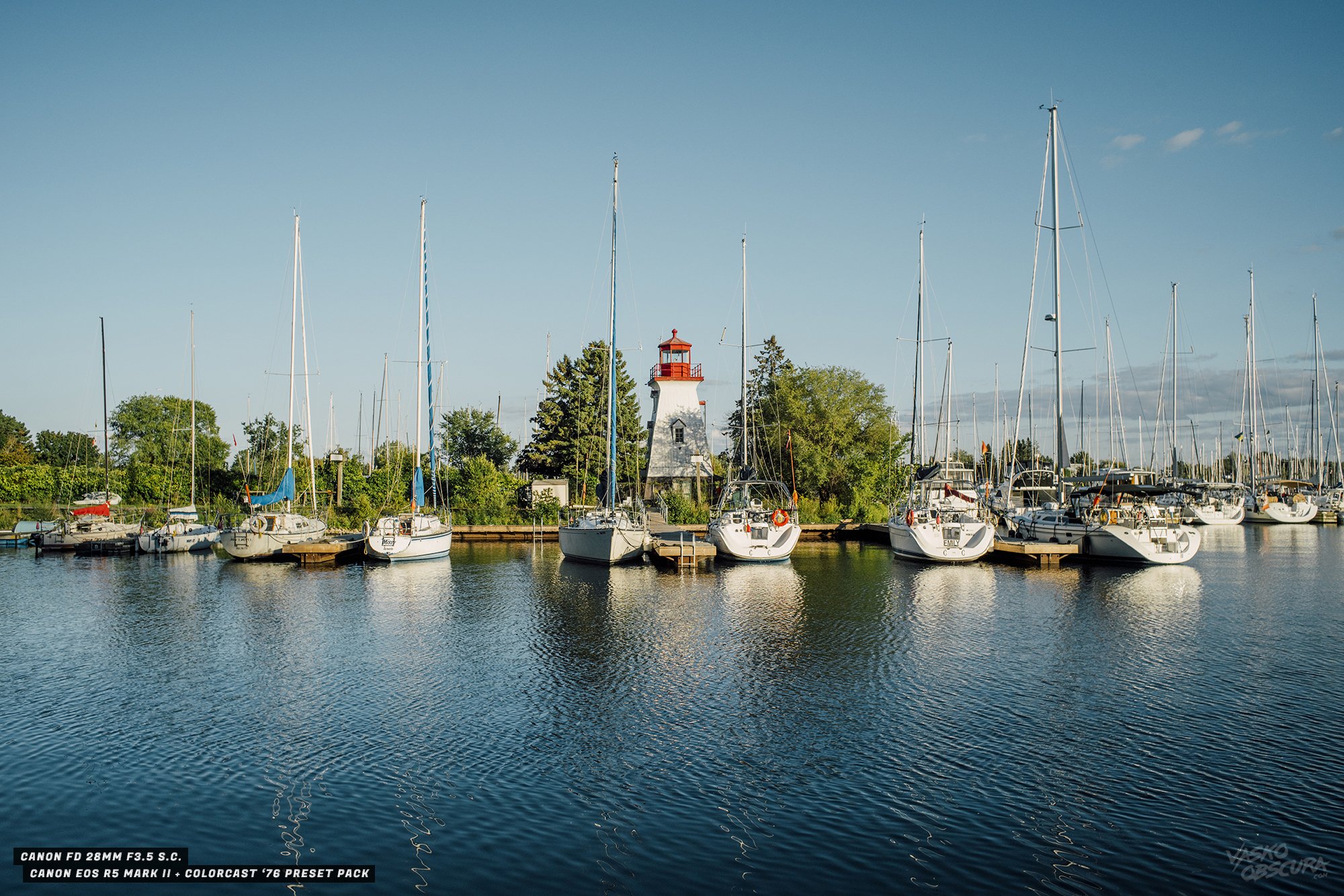
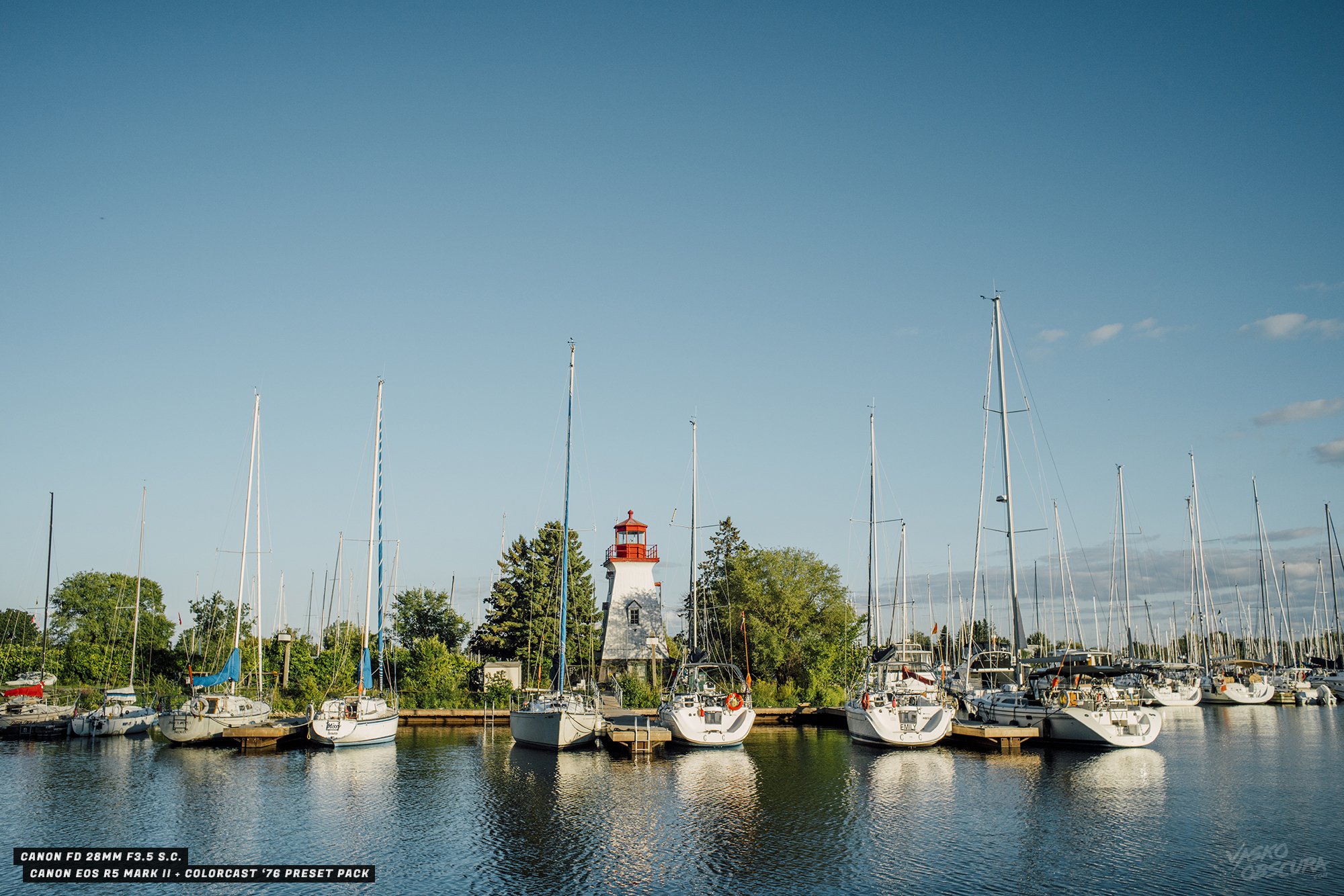
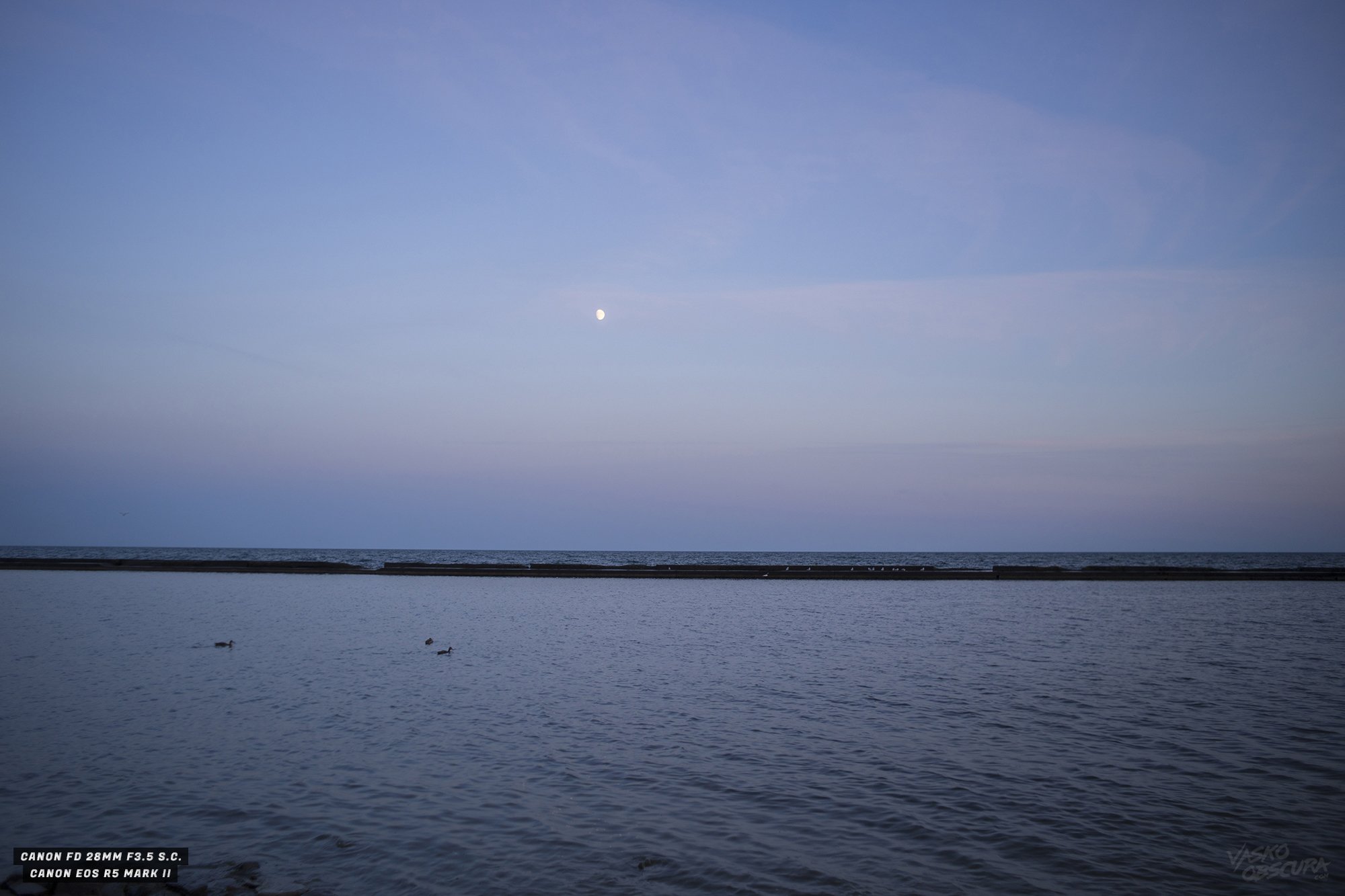
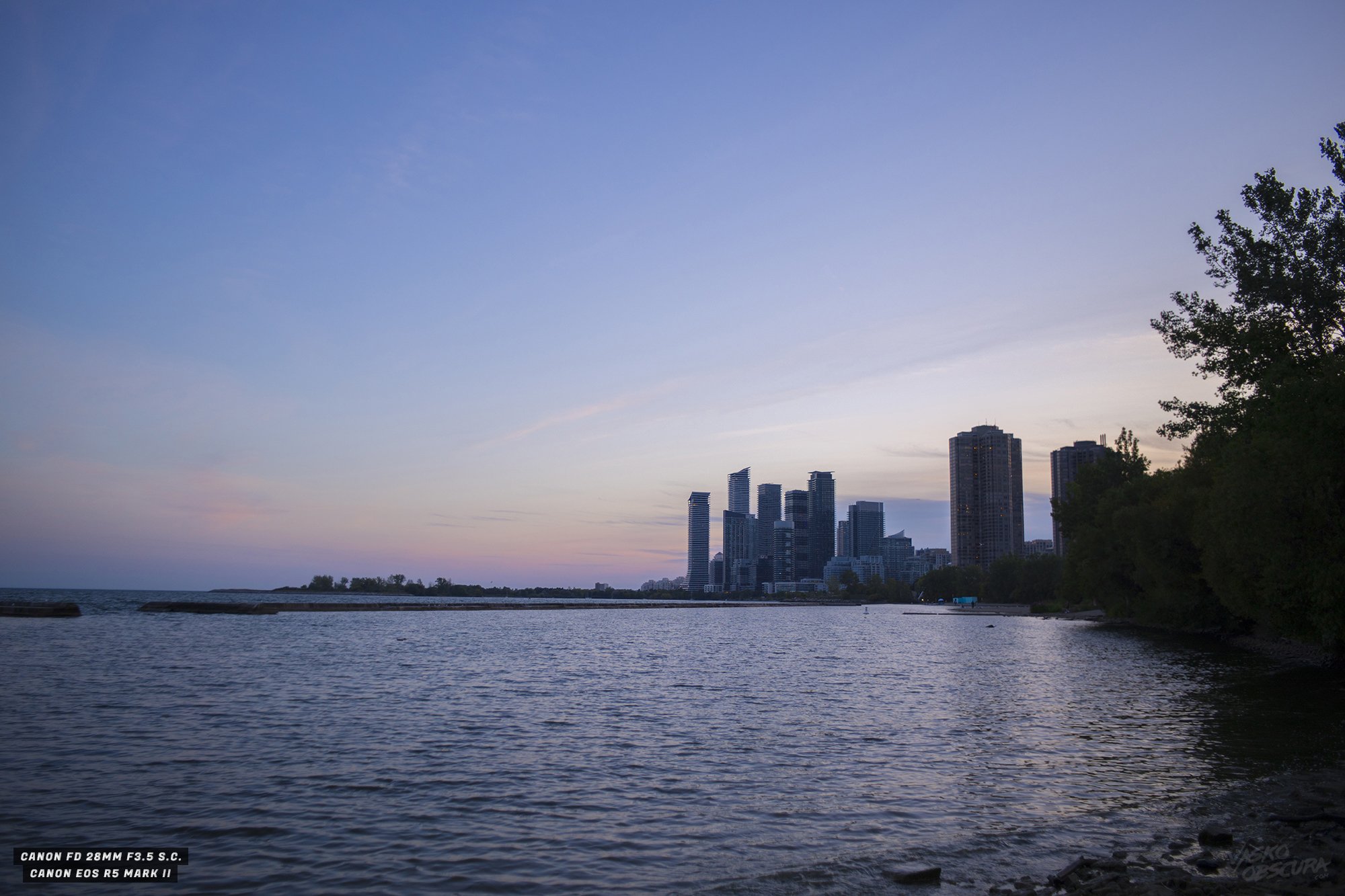
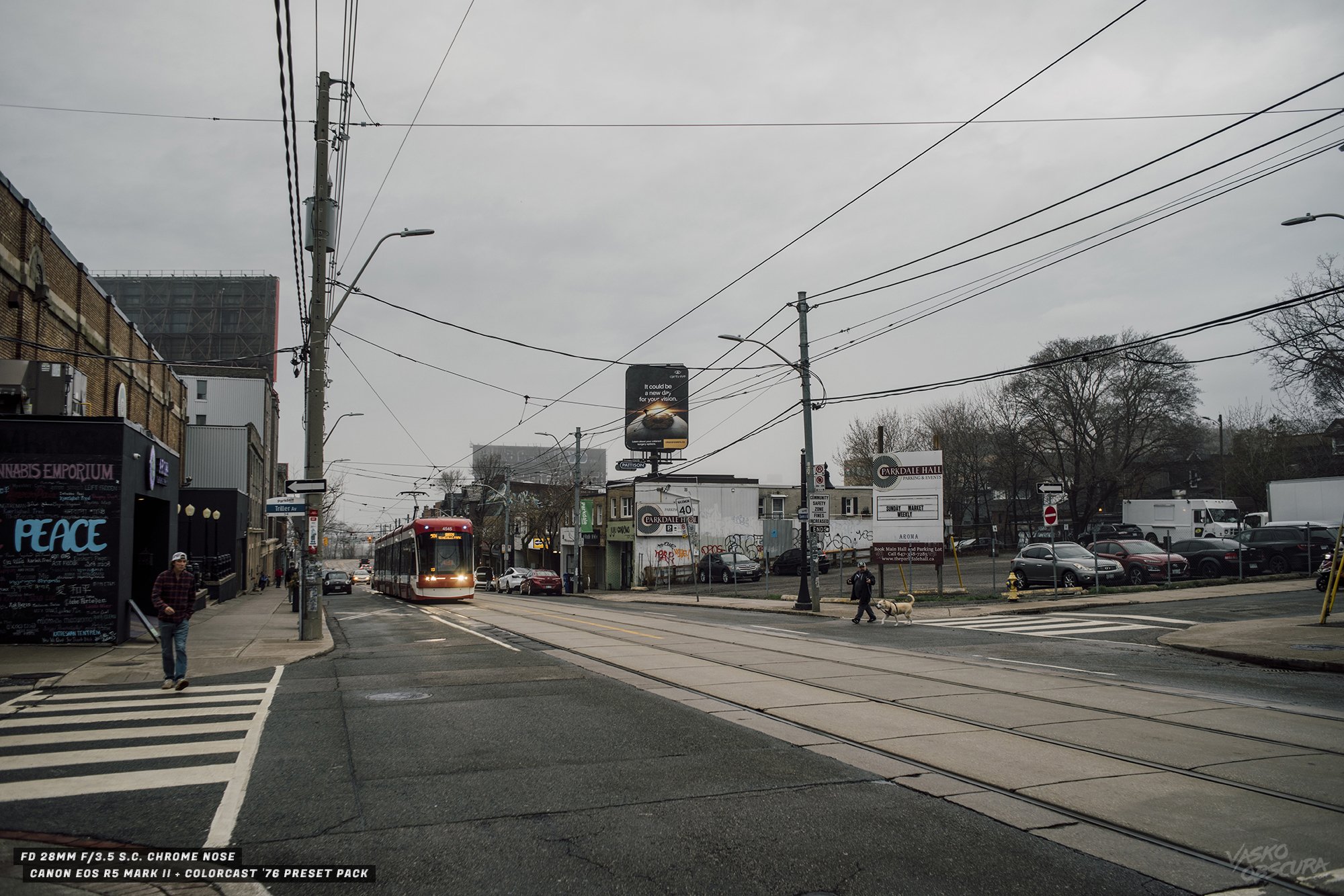
For a lens from the early 1970s, the Canon FD 28mm f/3.5 performs surprisingly well in terms of sharpness. Wide open at f/3.5, the center is decently usable. It’s not razor sharp, but it has a softer, more organic look that works really well for storytelling and environmental photography. Fine details are there, they’re just rendered with a bit more subtlety compared to modern lenses. As soon as you stop down to f/5.6, the image sharpens up noticeably. By f/8, the lens reaches its sweet spot, delivering strong sharpness across most of the frame. This makes it a solid option for landscapes and street photography where edge-to-edge clarity matters more.
Contrast and Color Rendering
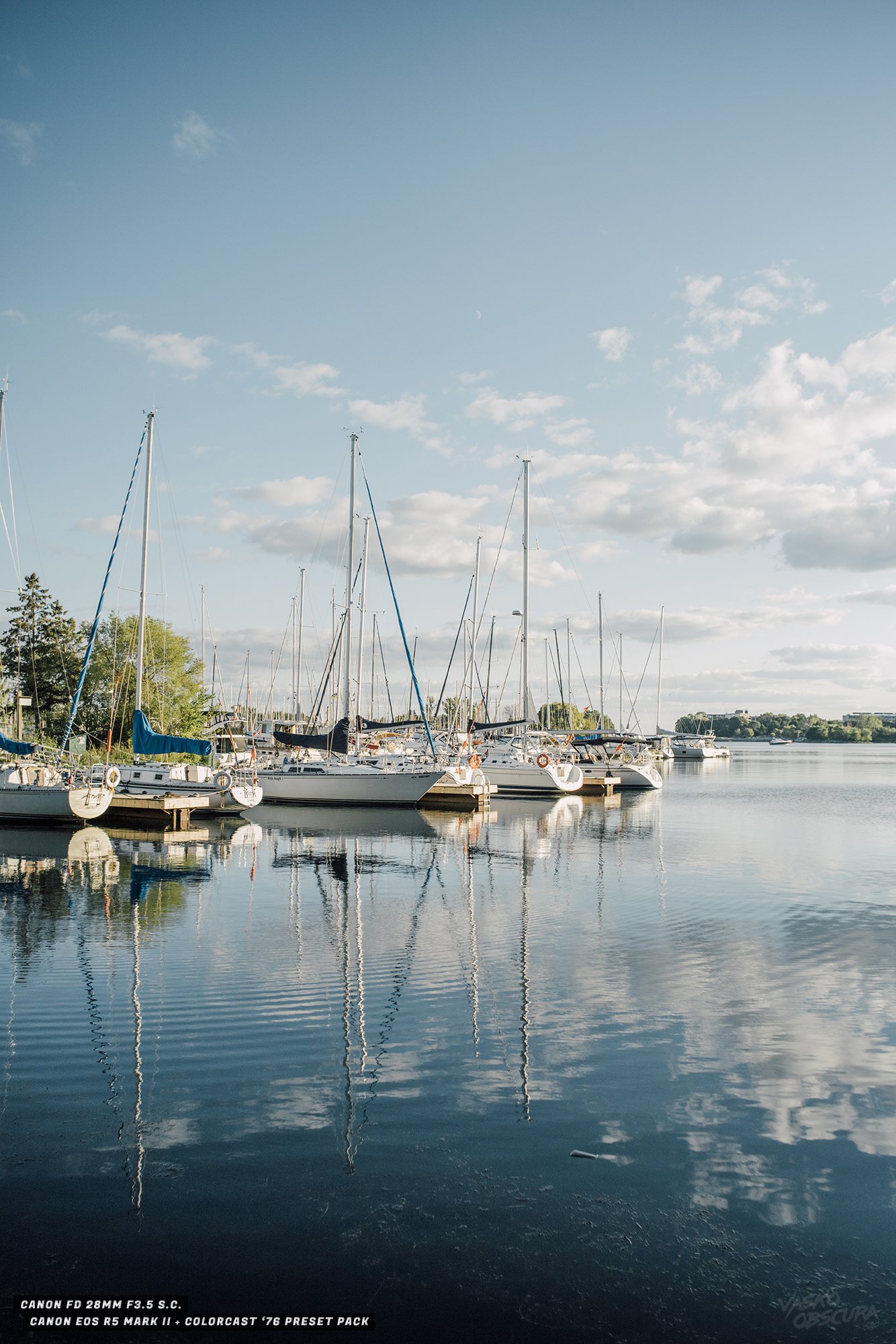
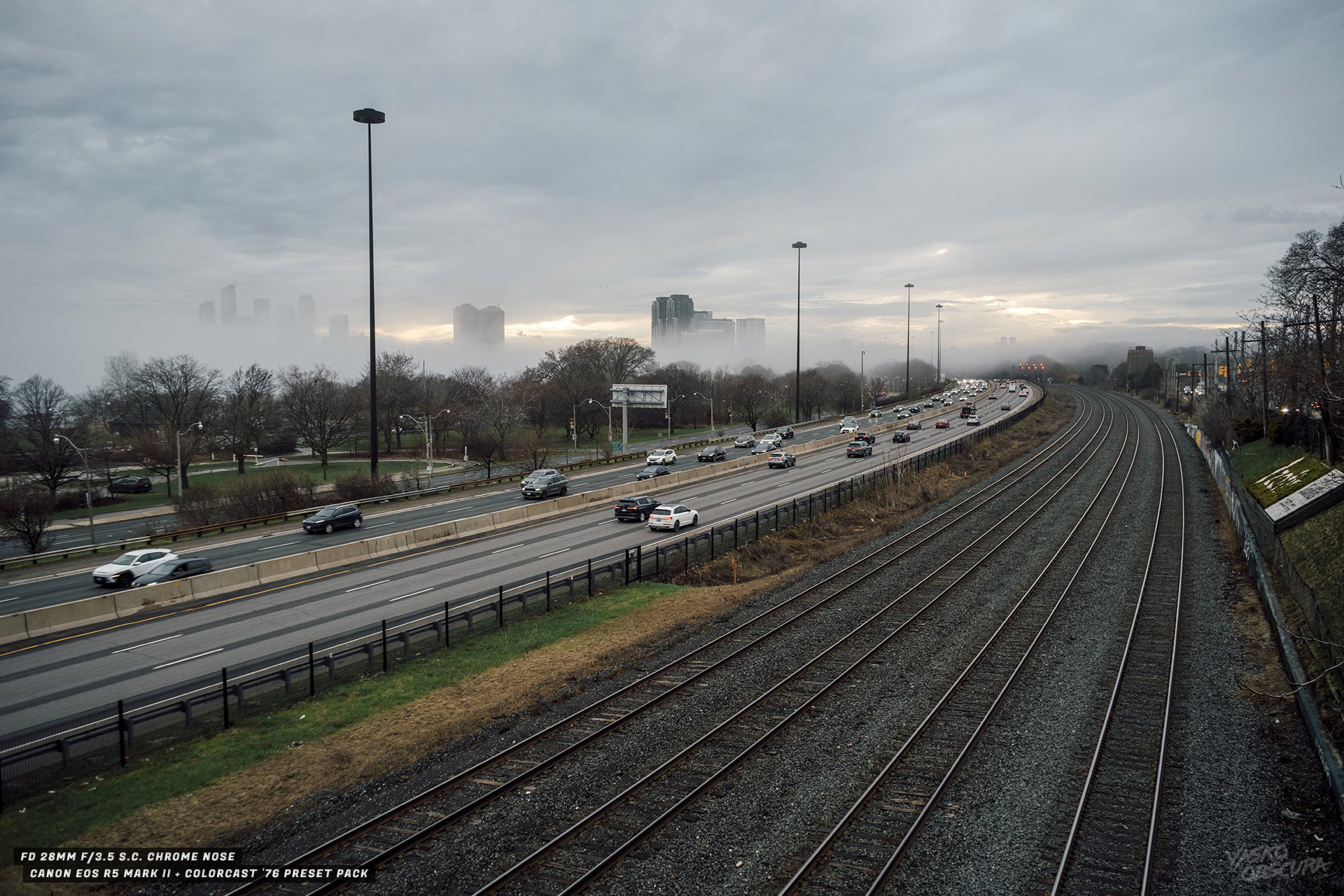
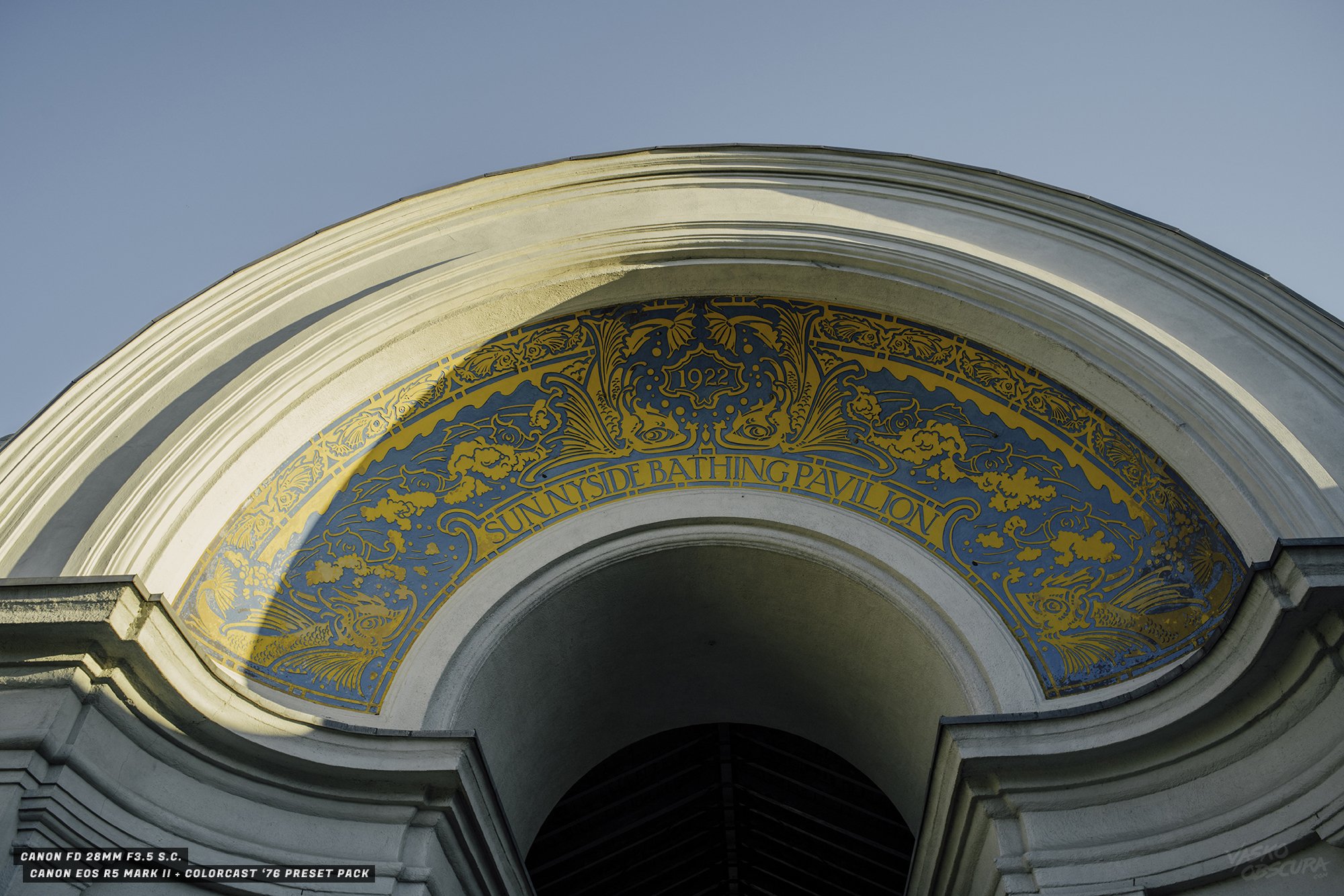
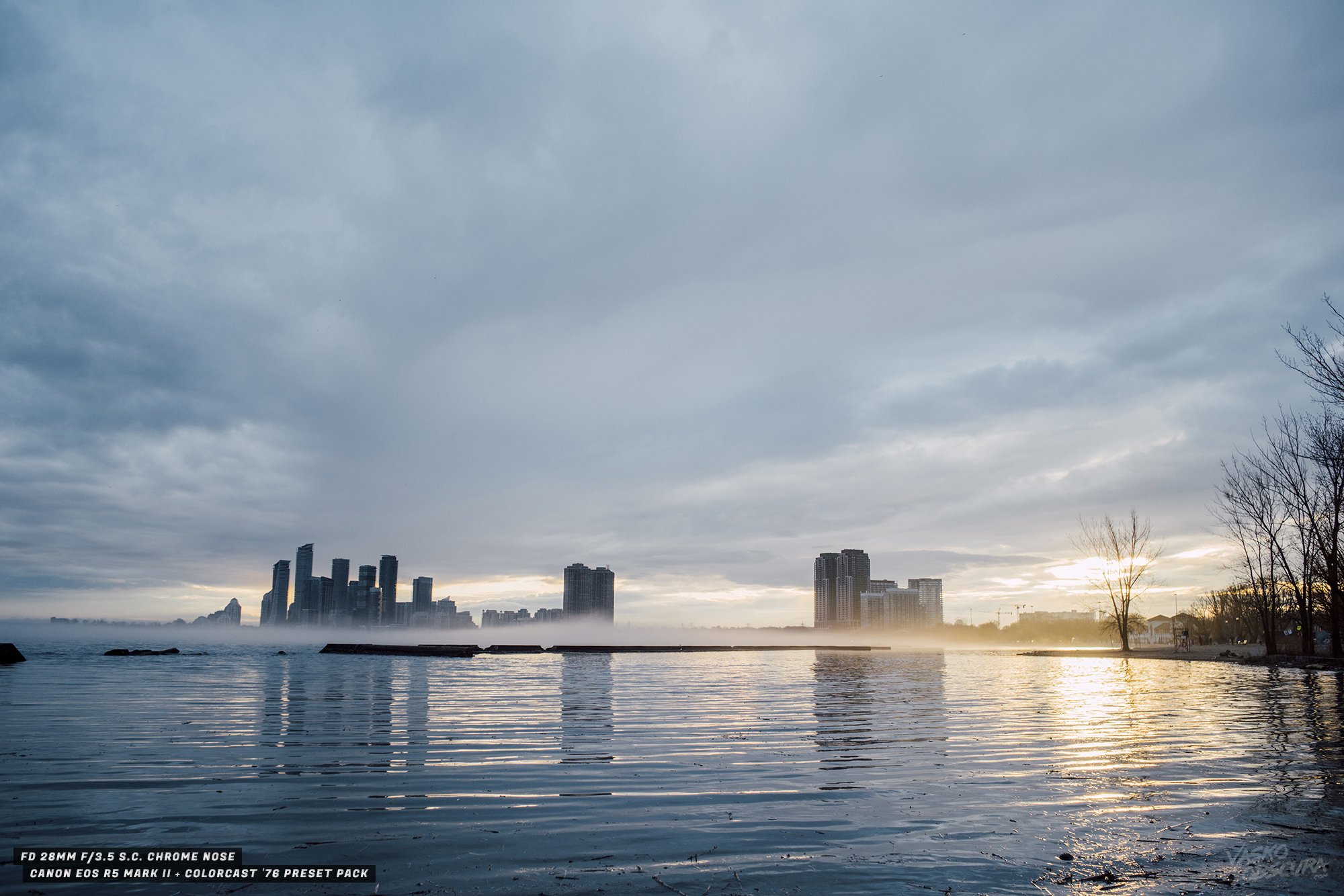
This is where the lens really starts to show its age in a good way. The Spectra Coating gives the Canon FD 28mm f/3.5 a slightly lower contrast look compared to later S.S.C. lenses. But instead of feeling washed out, it creates a softer contrast curve that feels more cinematic and less digital. Color rendering leans slightly warm, with a nostalgic tone that feels very reminiscent of film. Colors aren’t overly saturated, but they’re rich and natural. Skin tones, in particular, come out very pleasing, which makes this lens more versatile than you might expect for portraits.
Vintage Character and Rendering Style
This lens has a very distinct personality. Images have a gentle softness, especially wide open, combined with smooth tonal transitions between highlights and shadows. There’s less of that harsh digital edge and more of a natural, almost painterly feel. It doesn’t try to correct every optical imperfection and that’s exactly what makes the images it shoots so nice. There’s a subtle unpredictability to how it renders light and contrast, which makes shooting with it feel more creative and less clinical.
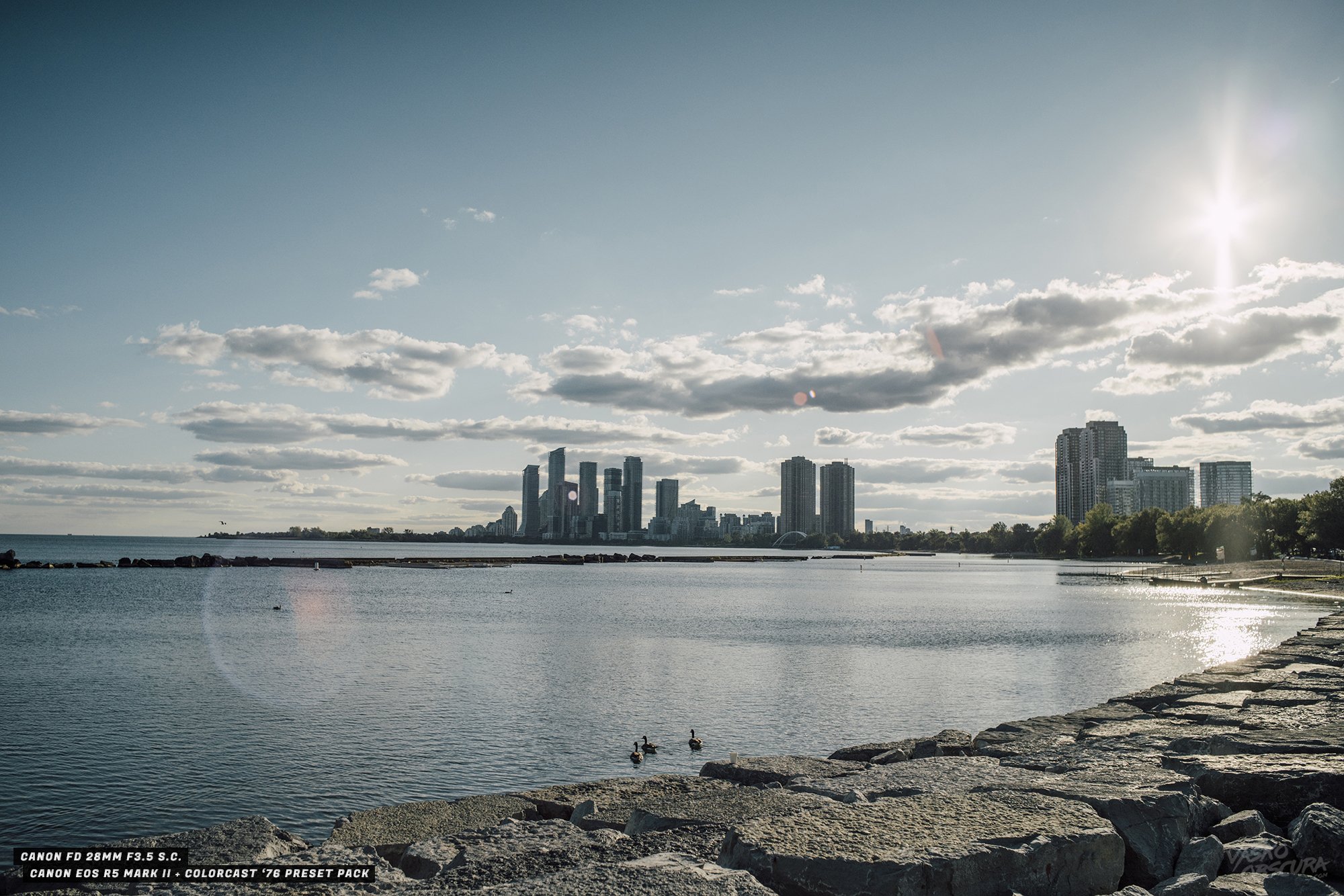
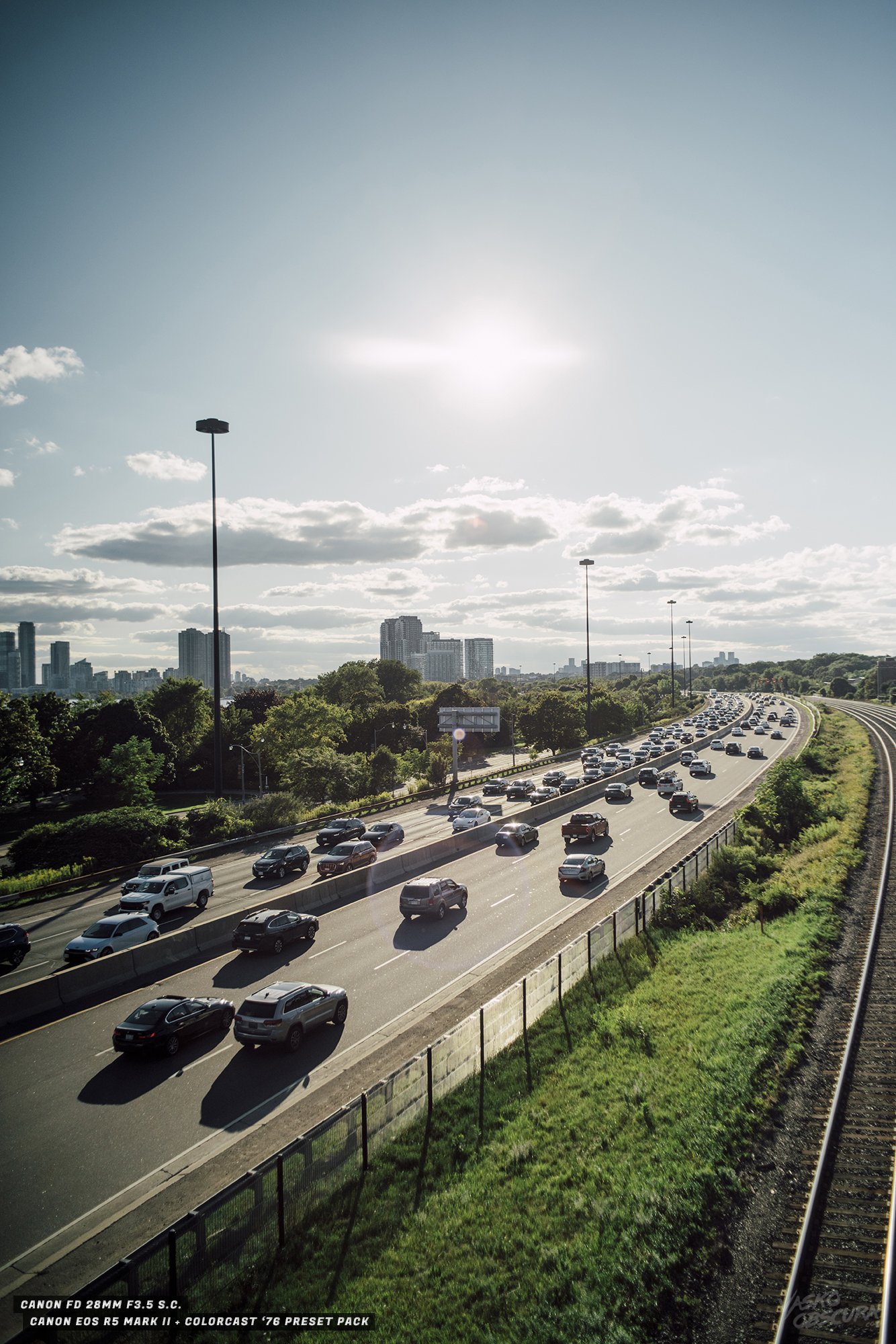
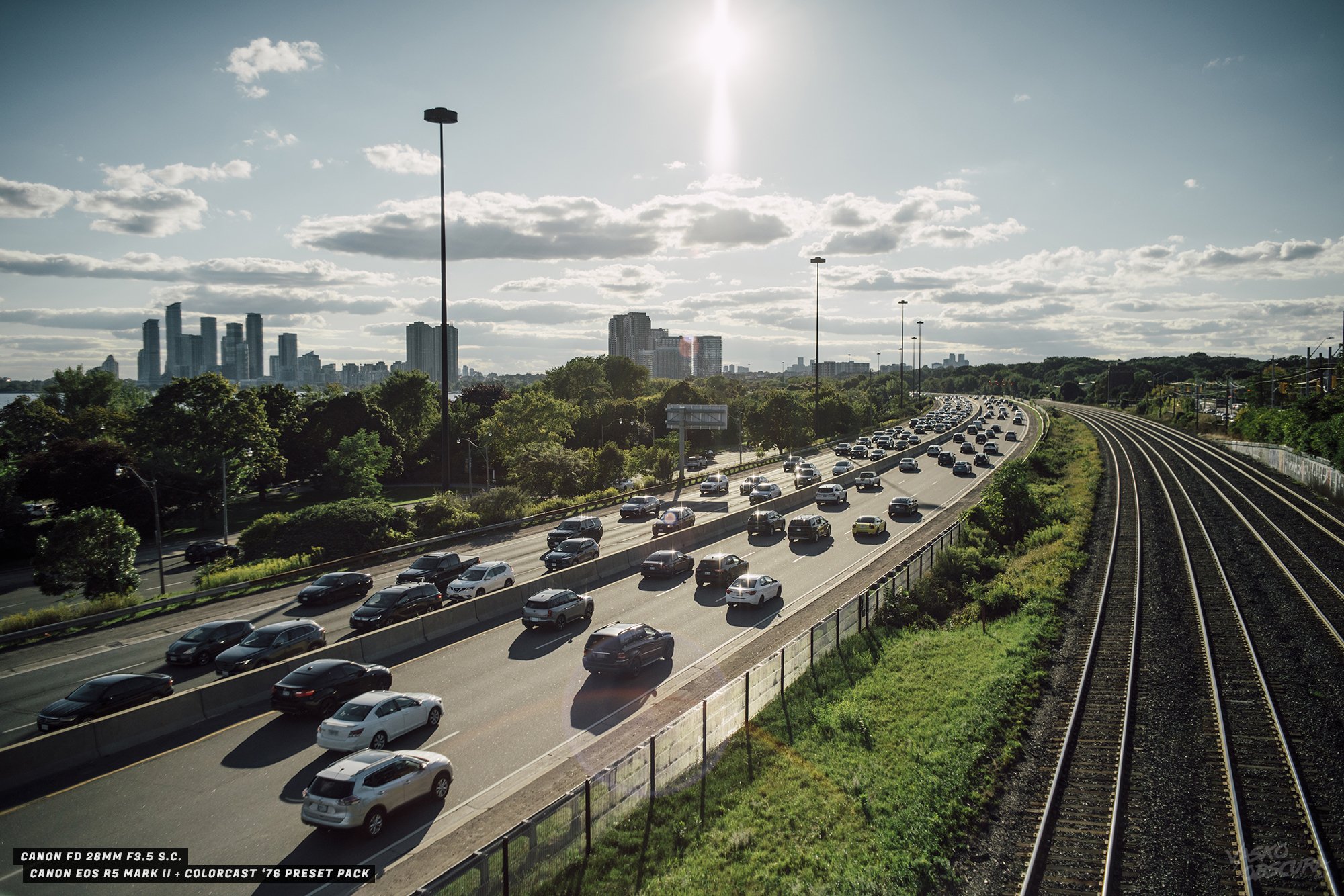
Sample Photos
More images coming soon.
Vignetting and Corner Performance
At f/3.5, you’ll notice some vignetting in the corners, which is typical for vintage wide-angle lenses. Personally, I find it adds to the image rather than detracts from it. It naturally draws your eye toward the center and can enhance the overall mood of a shot. Corner sharpness is softer wide open, but improves steadily as you stop down. By f/5.6 and beyond, the frame becomes much more balanced, with better consistency from center to edge.
Flare, Ghosting, and Coating Behavior
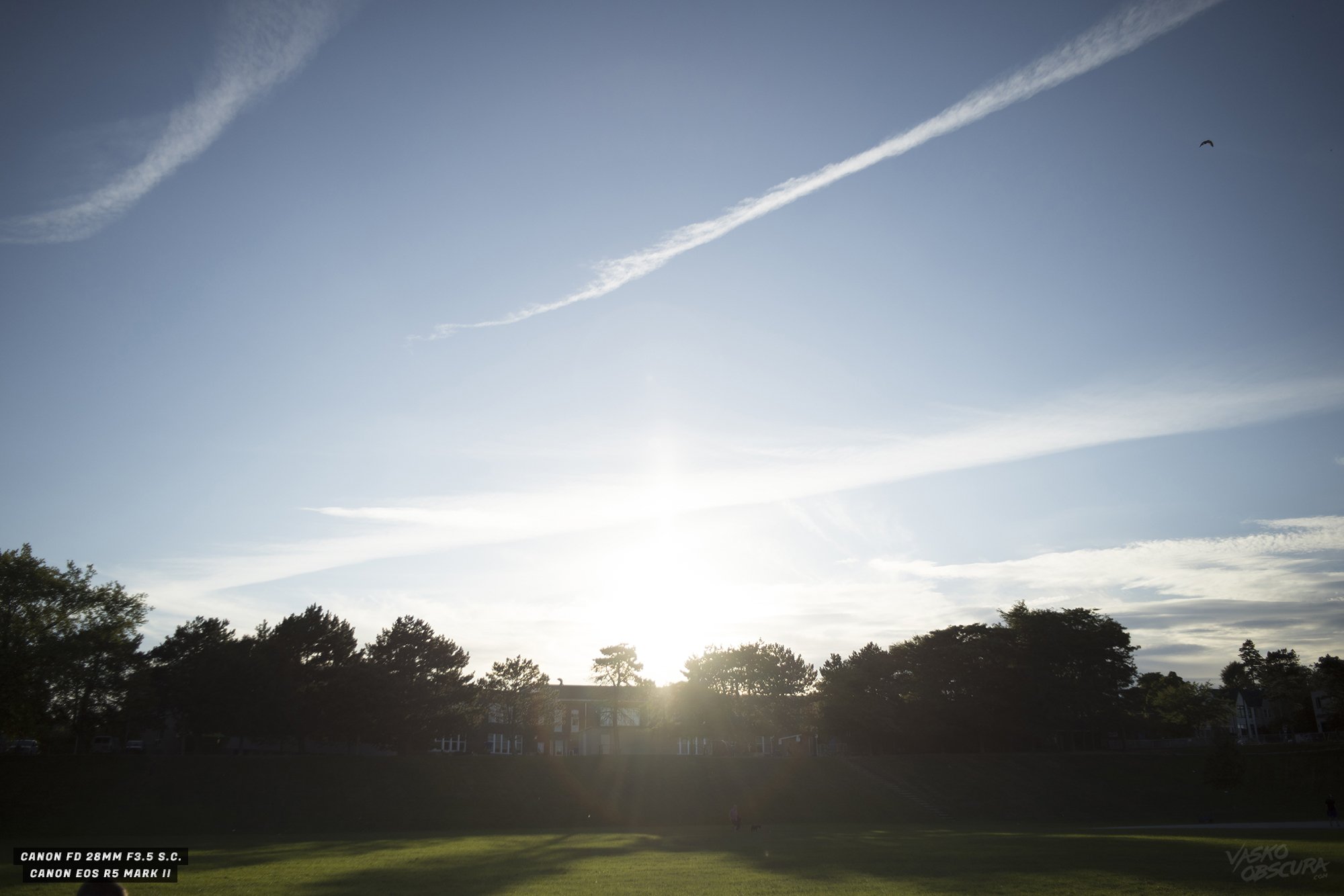
This is one of the defining traits of the Chrome Nose. Because it uses Canon’s earlier Spectra Coating, this lens is more prone to flare and ghosting than later FD or nFD lenses. But instead of being a flaw, it can be a creative tool if used in an intentional way. When shooting into strong light sources, you can get soft flares, veiling glare, and even ghosting artifacts. Sometimes it reduces contrast but other times it creates a dreamy glow that adds atmosphere. It’s the kind of lens where light becomes part of the composition.
Distortion and Real-World Use
For a 28mm lens, distortion is relatively well controlled. There is some mild barrel distortion, especially noticeable in architectural shots, but in everyday use, street photography, environmental portraits, it’s rarely an issue. And if needed, it’s easy to correct in post.
Close Focus Rendering and Depth
With a minimum focusing distance of around 0.4 meters, this lens allows you to get fairly close to your subject. At closer distances, you can create a nice sense of depth, especially when combining foreground elements with a wide field of view. It’s not a bokeh-heavy lens, but it does produce a natural separation that feels consistent with its vintage look. The background rendering is slightly textured rather than creamy, which actually adds to the character.
Final Thoughts
The Canon FD 28mm f/3.5 S.C. Chrome Nose isn’t about technical perfection it’s about expression. It’s sharp enough when you need it to be, but more importantly, it brings a unique rendering style that’s hard to replicate with modern lenses. Between its softer contrast, warm color tones, and flare-prone coating, it creates images that feel alive and full of character. For me, that’s what makes this lens worth using. If you’re looking for a vintage wide-angle lens that offers more than just sharpness, this one delivers a shooting experience that feels both nostalgic and creatively inspiring.
🤓 Read Next:
Canon FD 28mm f/3.5 S.C. Chrome Nose Mini Review: Build, History & Vintage Design
More Vintage Lens Reviews on my Vintage Lens Hub