
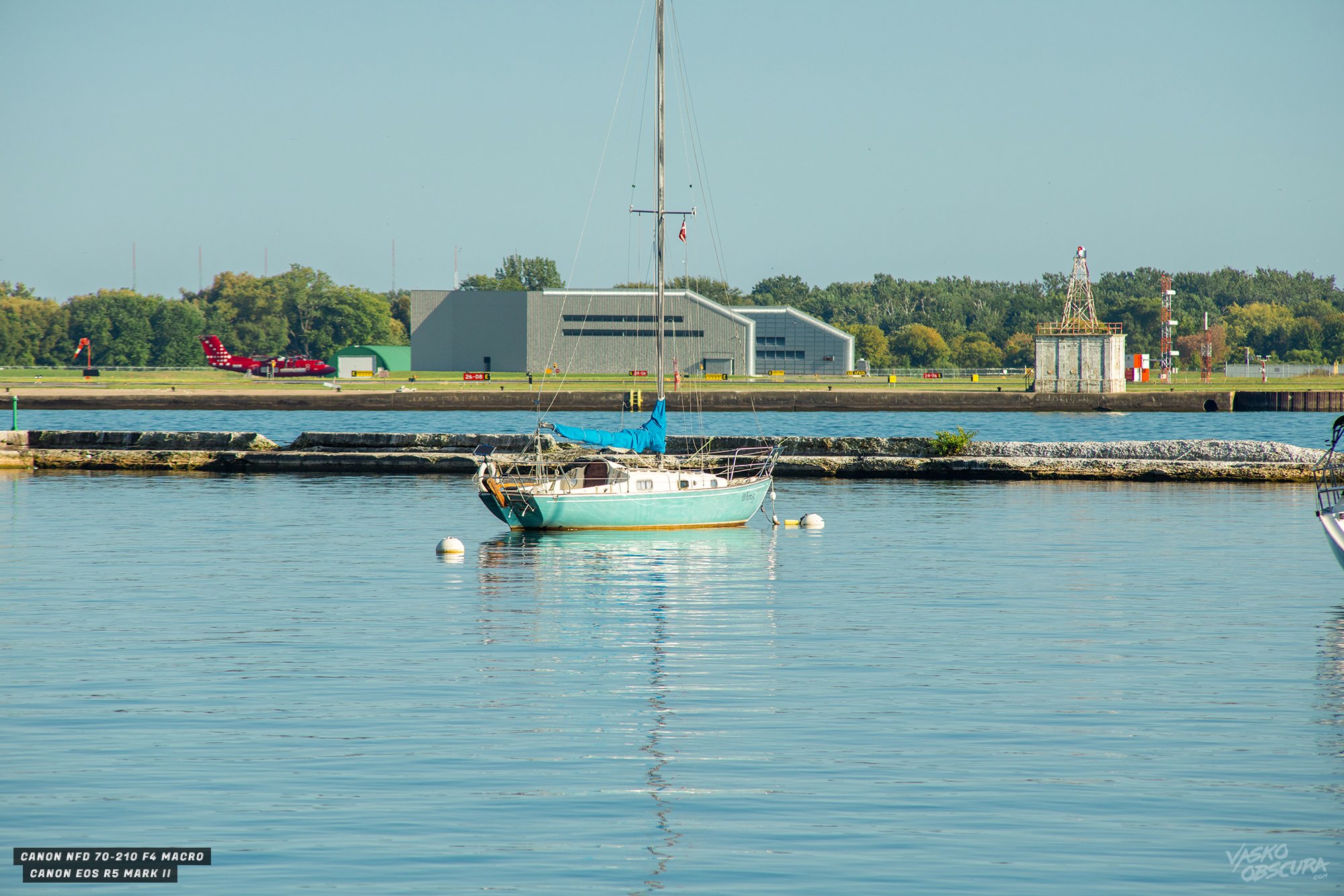
Image shot with the Canon nFD 70-210mm f/4 Macro
Canon nFD 70-210mm f/4 Macro
Canon nFD 70-210mm f/4 Macro
The Canon nFD 70-210mm f/4 Macro has been a really fun lens to shoot with. It doesn’t have a ton of that wild vintage character I sometimes chase, no swirly bokeh or dreamy glow wide open, but that’s actually part of its charm. Instead, what you get is a surprisingly modern-looking telephoto zoom that performs well even by today’s standards. Perhaps the best feature of this lens is it’s price. If you’re looking to get into vintage lens photography this lens can be bought for around $50 USD making it a really affordable first buy for your vintage lens kit.
Released in 1980 during the later years of Canon’s FD system, this lens was designed as a practical, compact, constant-aperture telephoto. After spending time shooting with it in real-world conditions, I can confidently say it holds up far better than its price tag suggests. This might be a sleeper lens when you factor in image quality vs price.
Optical Construction & Coatings
The Canon nFD 70-210mm f/4 Macro features 12 elements in 9 groups, a fairly sophisticated optical formula for a compact telephoto zoom of its era. Canon also applied its Super Spectra Coating (SSC), which was developed to reduce flare, minimize ghosting, and improve overall contrast. In practice, that coating makes a noticeable difference. When shooting into backlight, the lens maintains respectable contrast and doesn’t completely wash out the frame the way some vintage zooms do. You can still induce flare if you push it, especially at longer focal lengths, but it feels controlled rather than chaotic. For a 1980 zoom lens, that’s impressive. If you want to read a more technical review of this lens read this post next.
Sharpness & Detail
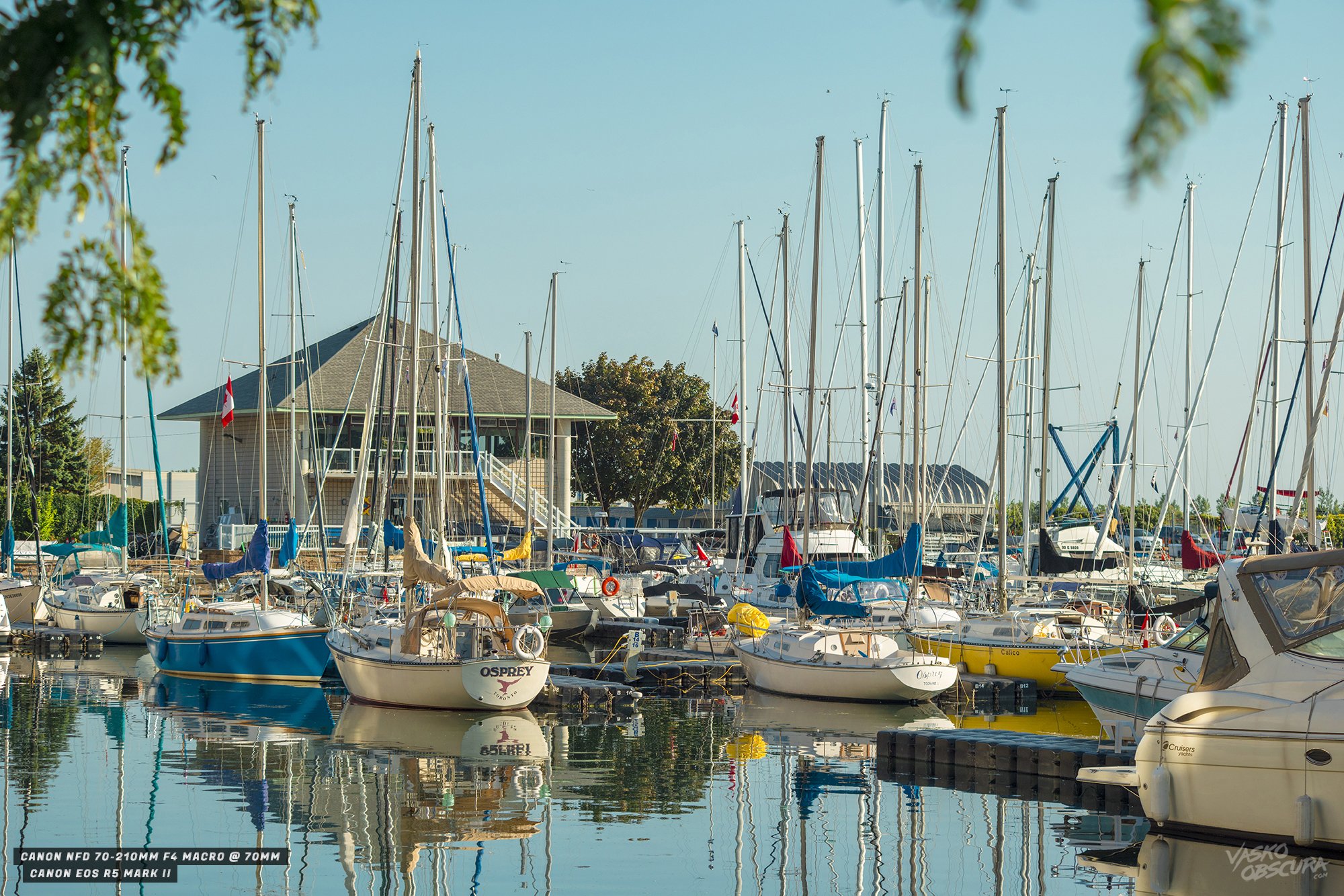
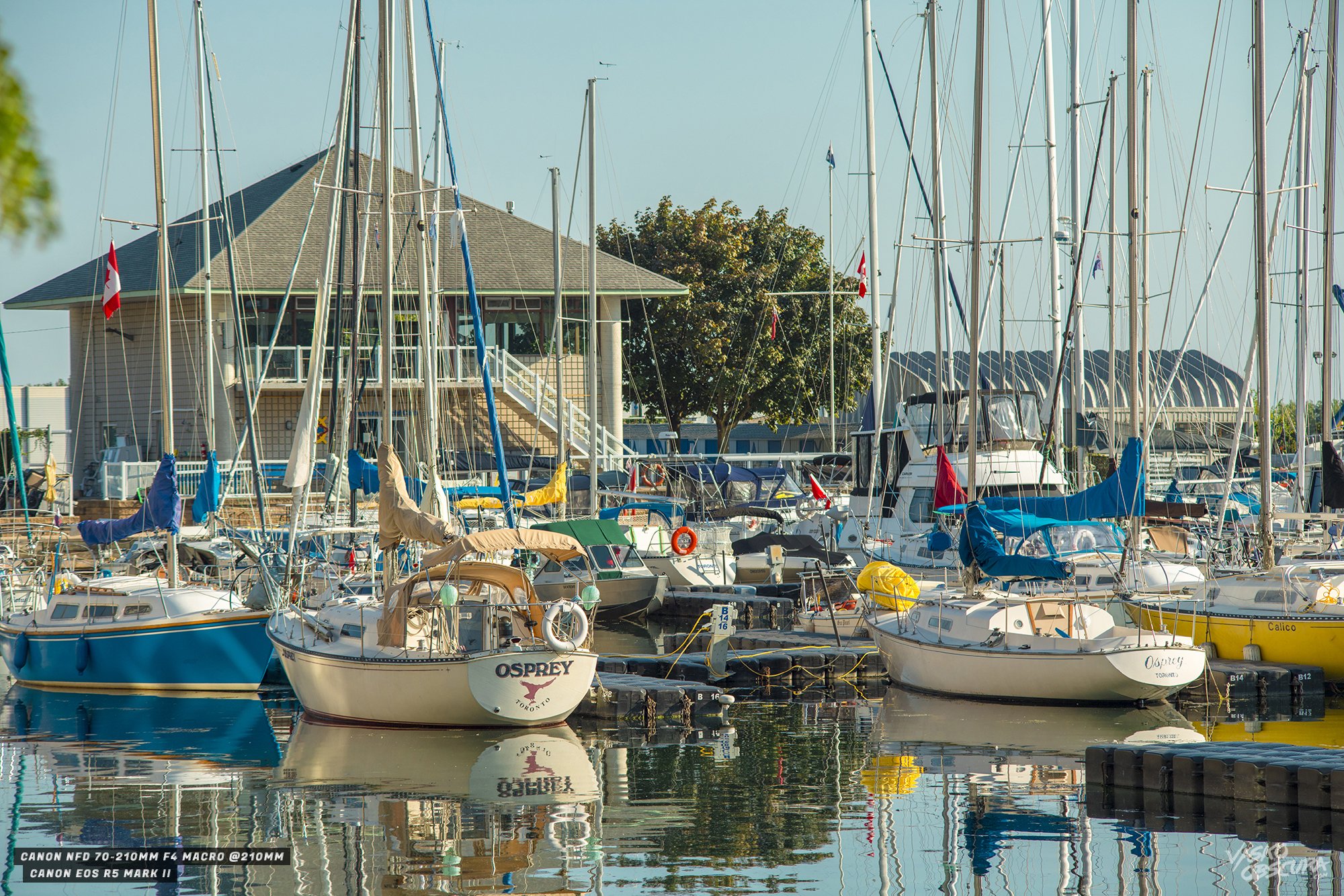
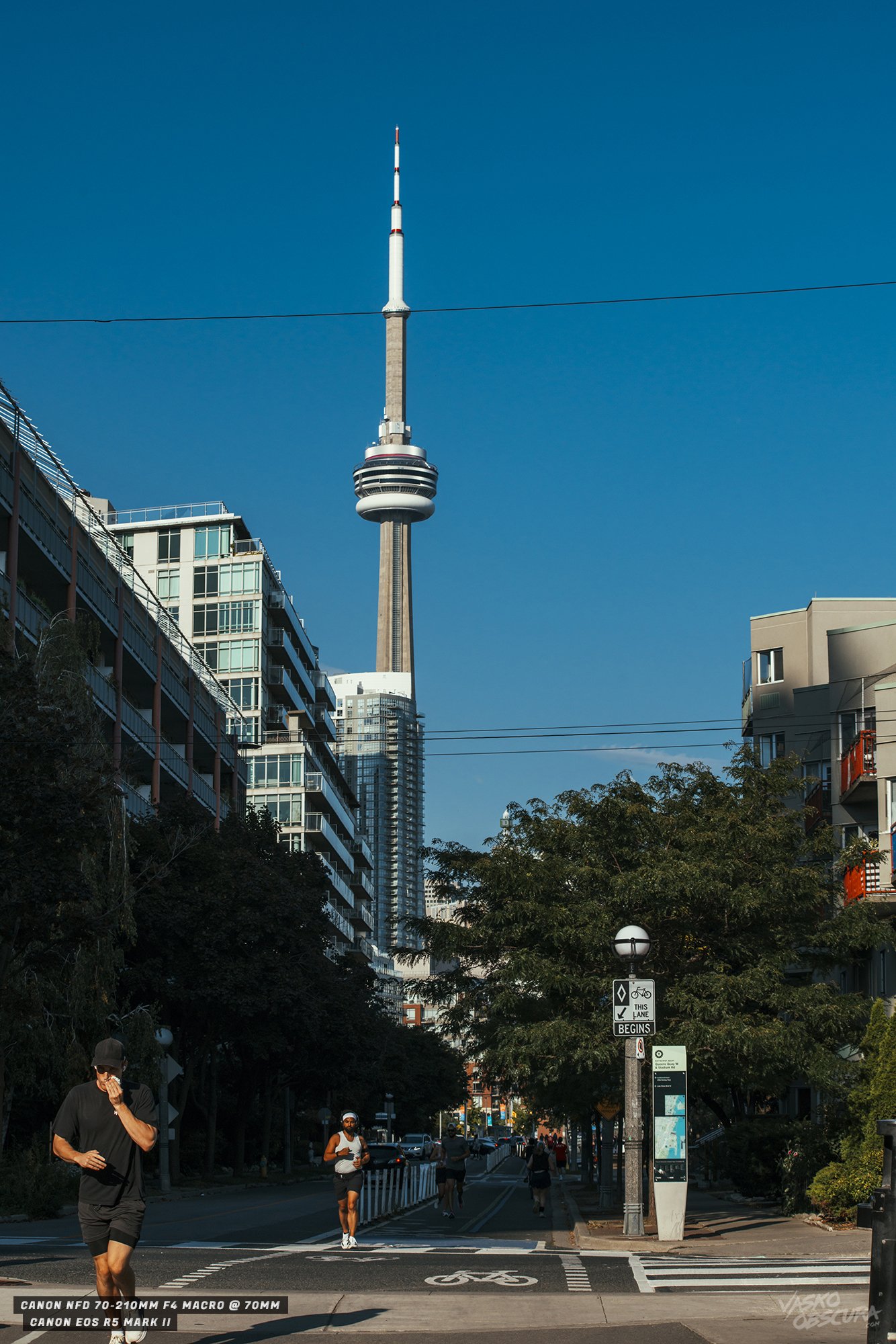
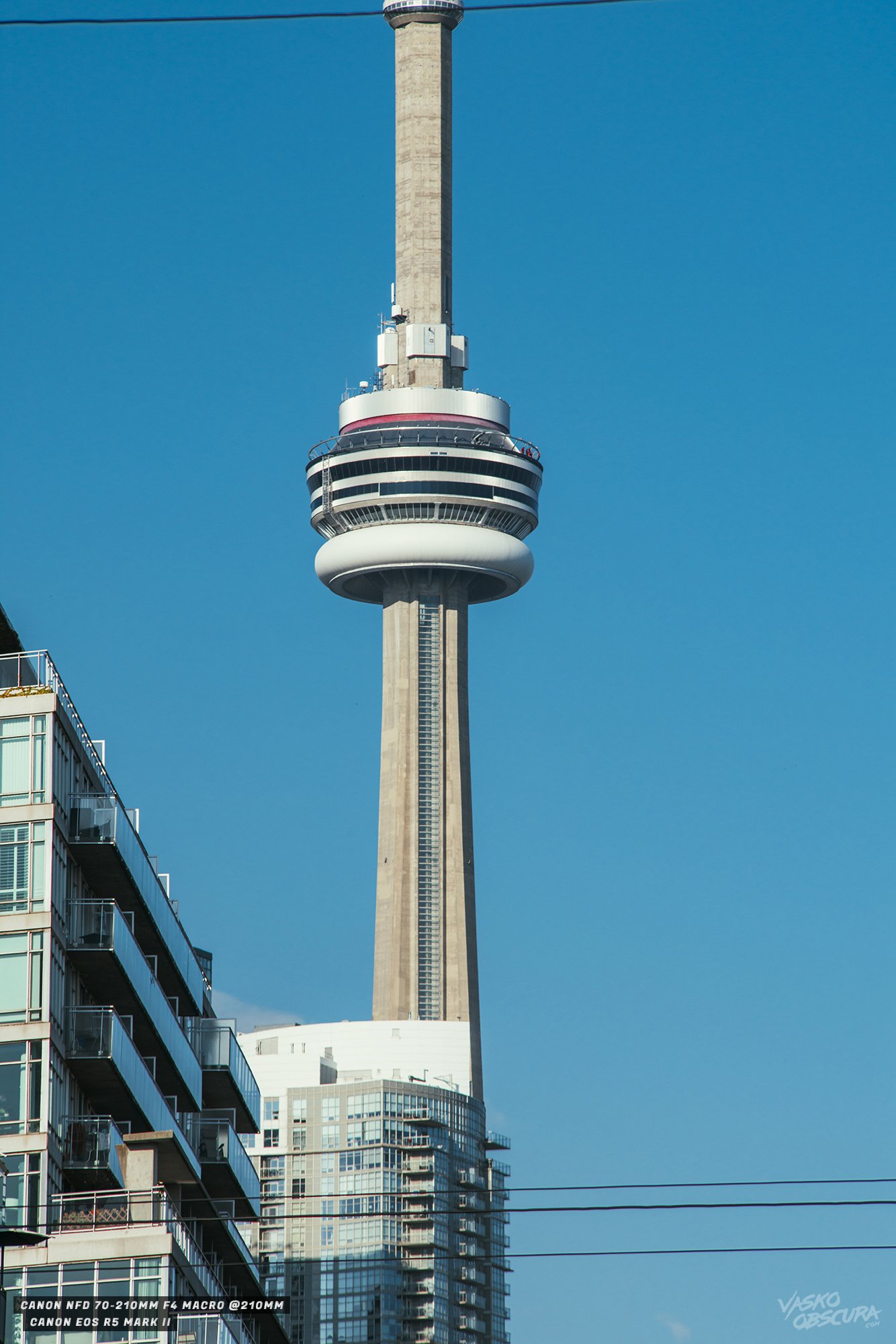
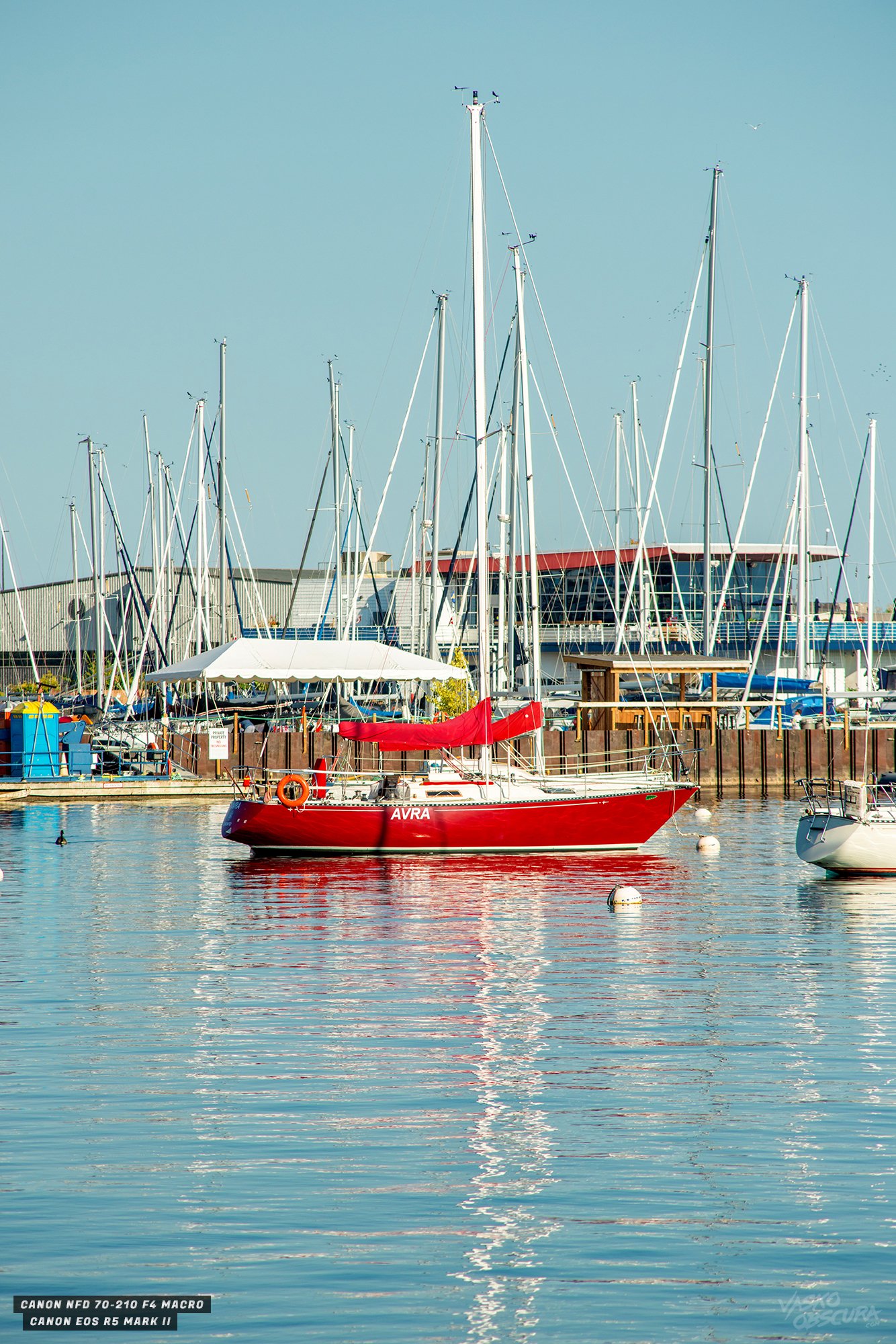
Let’s talk about sharpness, because that’s what most people are really searching for. Wide open at f/4, the lens is already quite usable across the frame. At 70mm, it delivers solid center sharpness with slightly softer corners, which is typical for vintage zoom designs. As you zoom toward 210mm, the image softens slightly, but not dramatically. Nothing a little sharpening in post can’t handle if sharpness is your thing. Stopping down to f/5.6 or f/8 noticeably improves micro-contrast and edge performance. By f/8, the lens becomes genuinely sharp across most of the frame. It won’t compete with modern L-series telephotos in clinical sharpness, but it absolutely outperforms many other vintage zooms in this price range. For landscapes, compressed city scenes, or portraits at a distance, it produces clean, detailed files that adapt beautifully to modern mirrorless cameras.
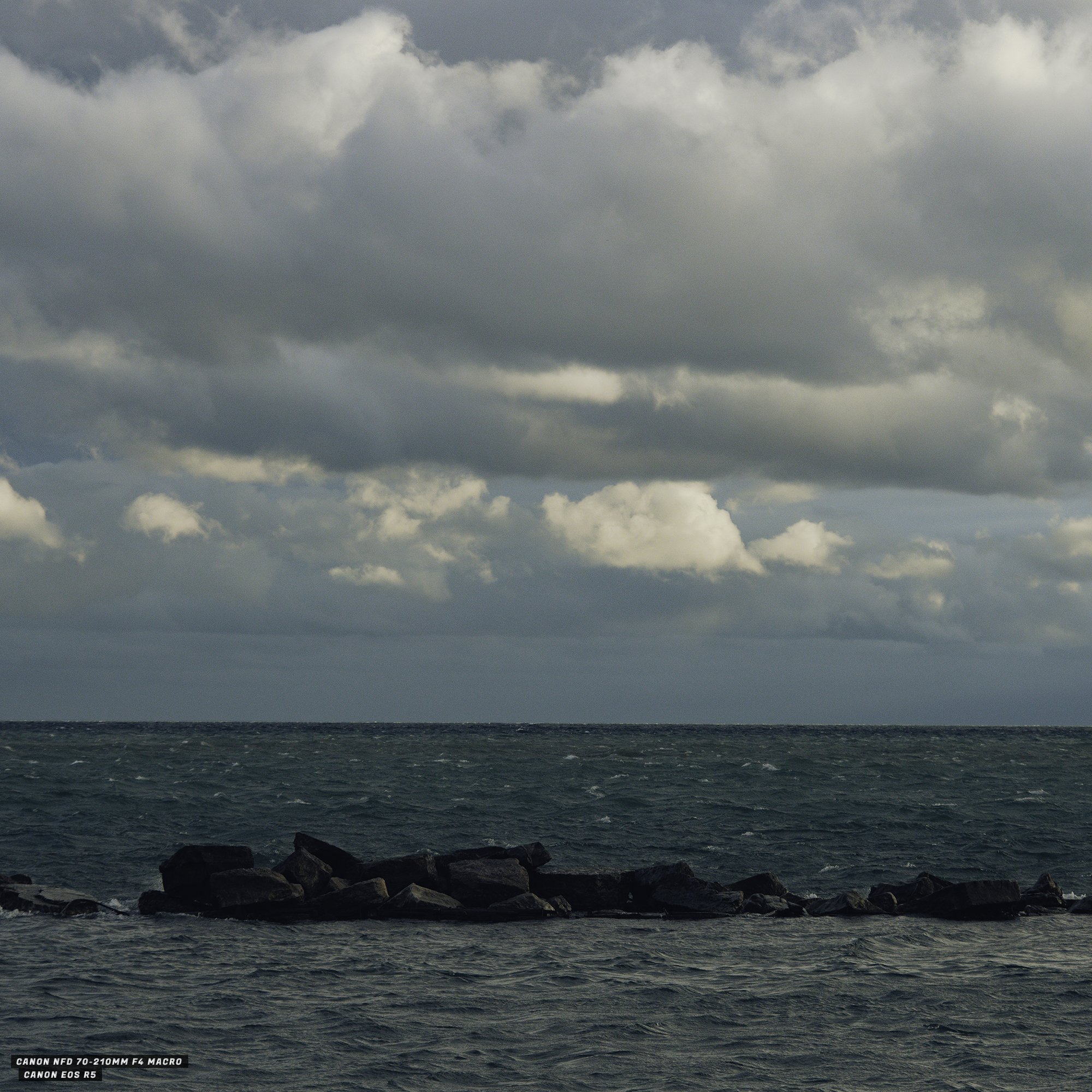
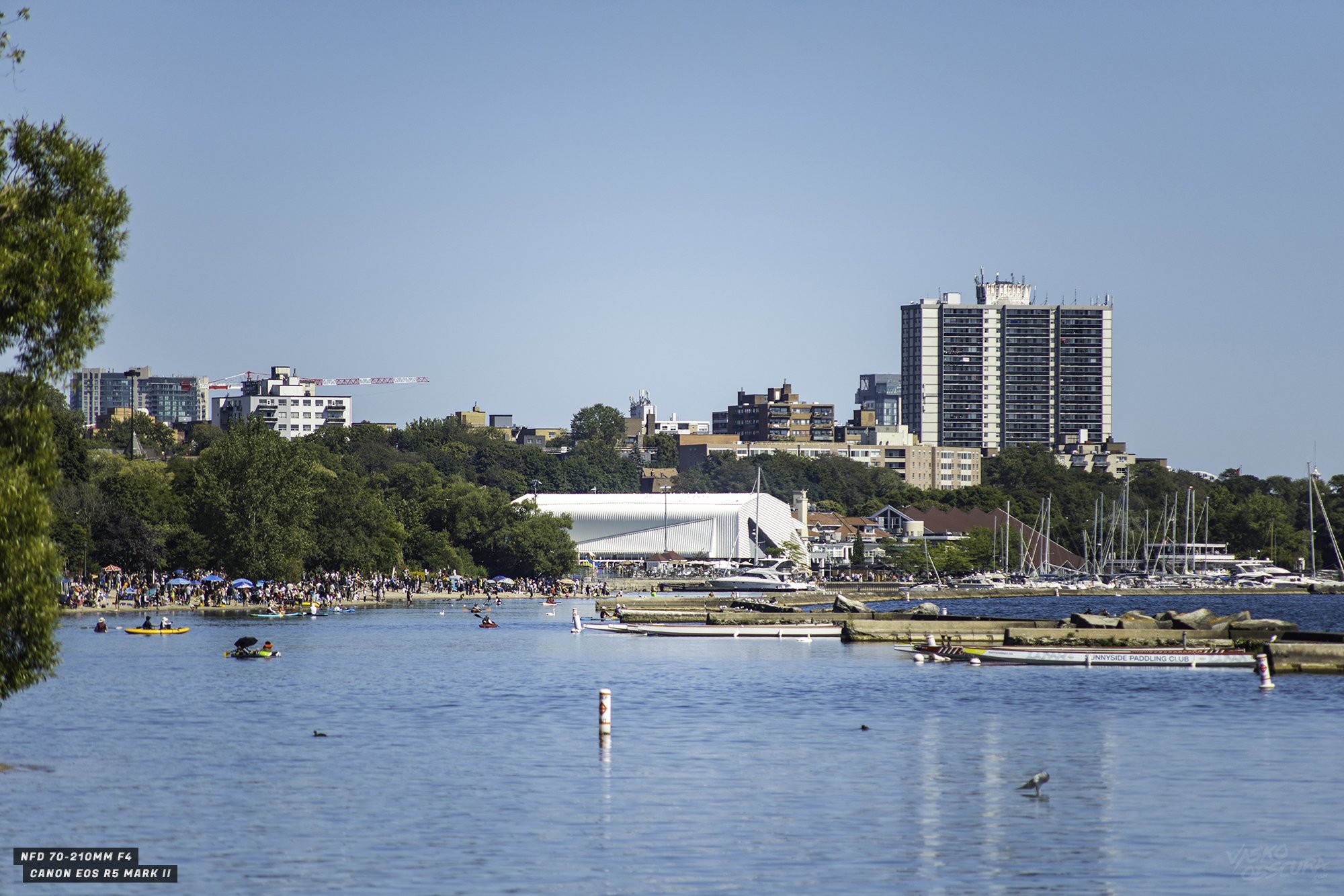
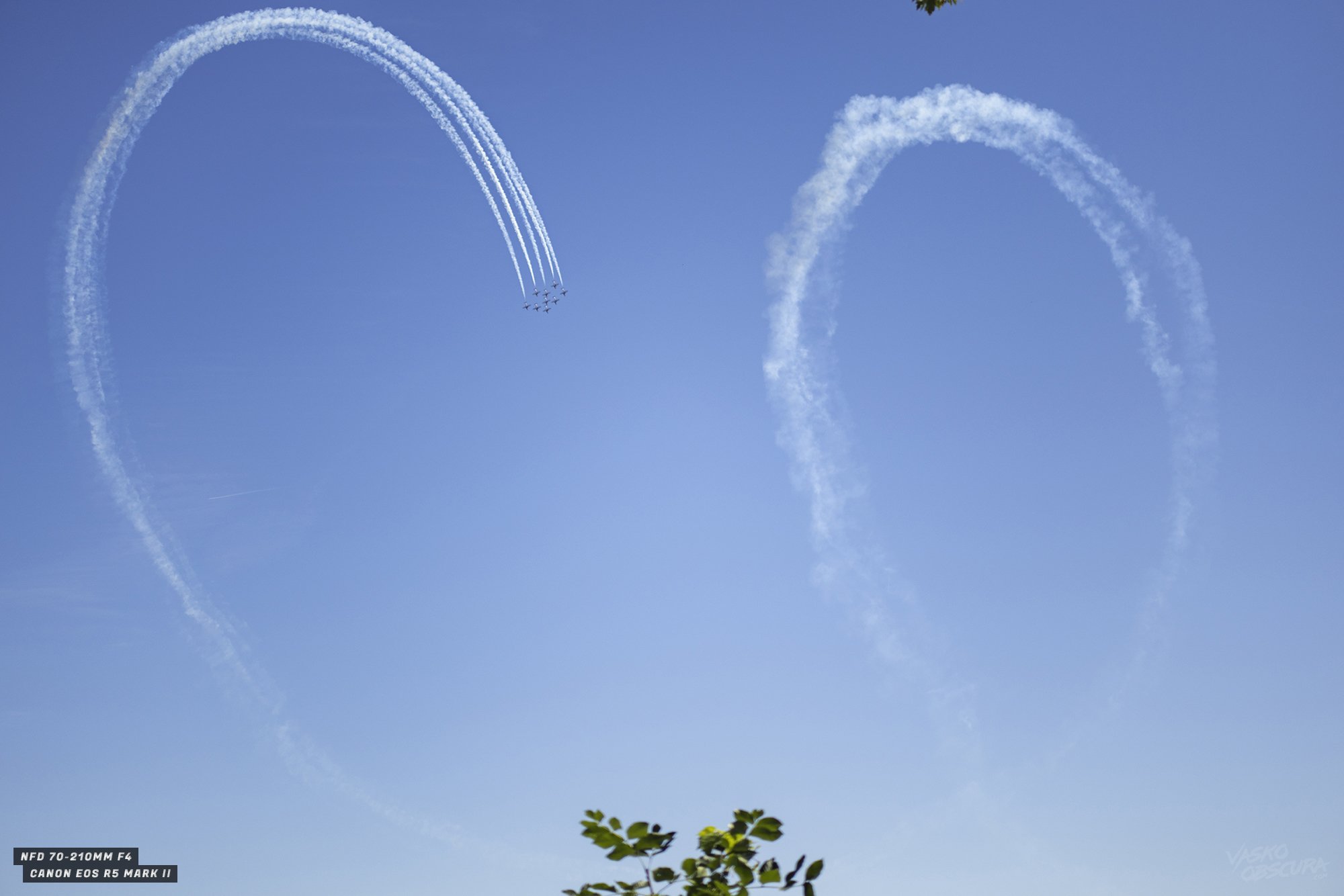
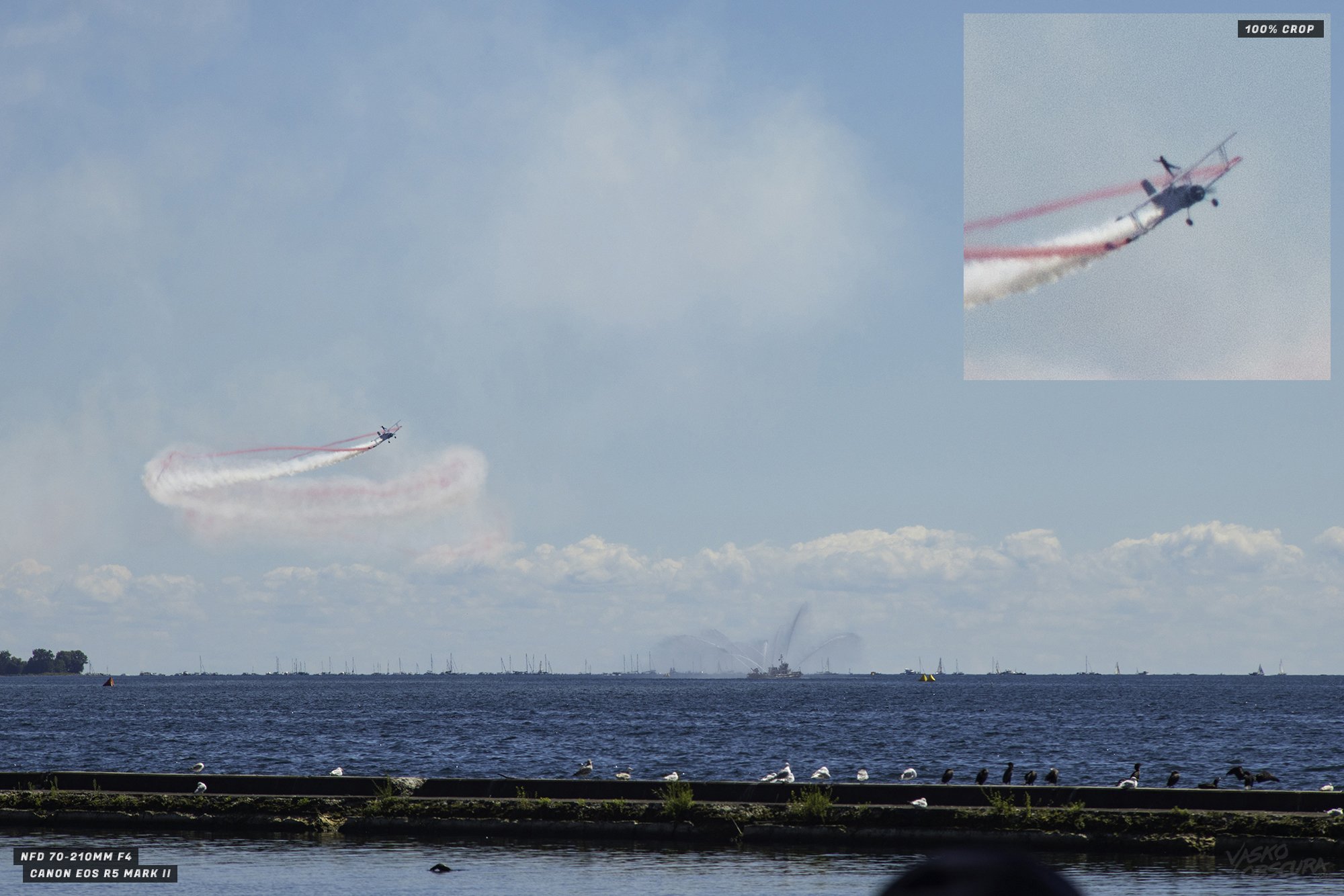
Here are some examples of image quality. The first image in each set was shot at 70mm and the second shot at 210mm. The aperture was around f/5.6. I can’t say exactly because EXIF data is not captured with vintage lenses. Honestly, I think it’s safe to say that this lens is a legend. Still capable of holding its own against modern zooms.
📱 Pro Tip:
Keep in mind that if you are producing images for social media, which is what most people do with their photos these days. When you take a full sized image and shrink it down to 2 megapixel for IG you effectively sharpen up the image. So does this lens have enough sharpness and detail for your socials? Absolutely, no worries there.
Color Rendering & Contrast
Color rendering is neutral to slightly warm, very “Canon”. Skin tones look natural, and greens don’t feel overly saturated. The Super Spectra Coating helps maintain decent contrast, especially in even lighting. Compared to earlier FD breech-lock lenses, this nFD version feels slightly more modern in its color response. It doesn’t scream “vintage” in the way older single-coated glass sometimes does.
📍 If you’re looking for heavy character and glow, this isn’t that lens. If you’re looking for consistent, reliable rendering with a subtle analog feel, this lens delivers.
Bokeh & Aperture Design
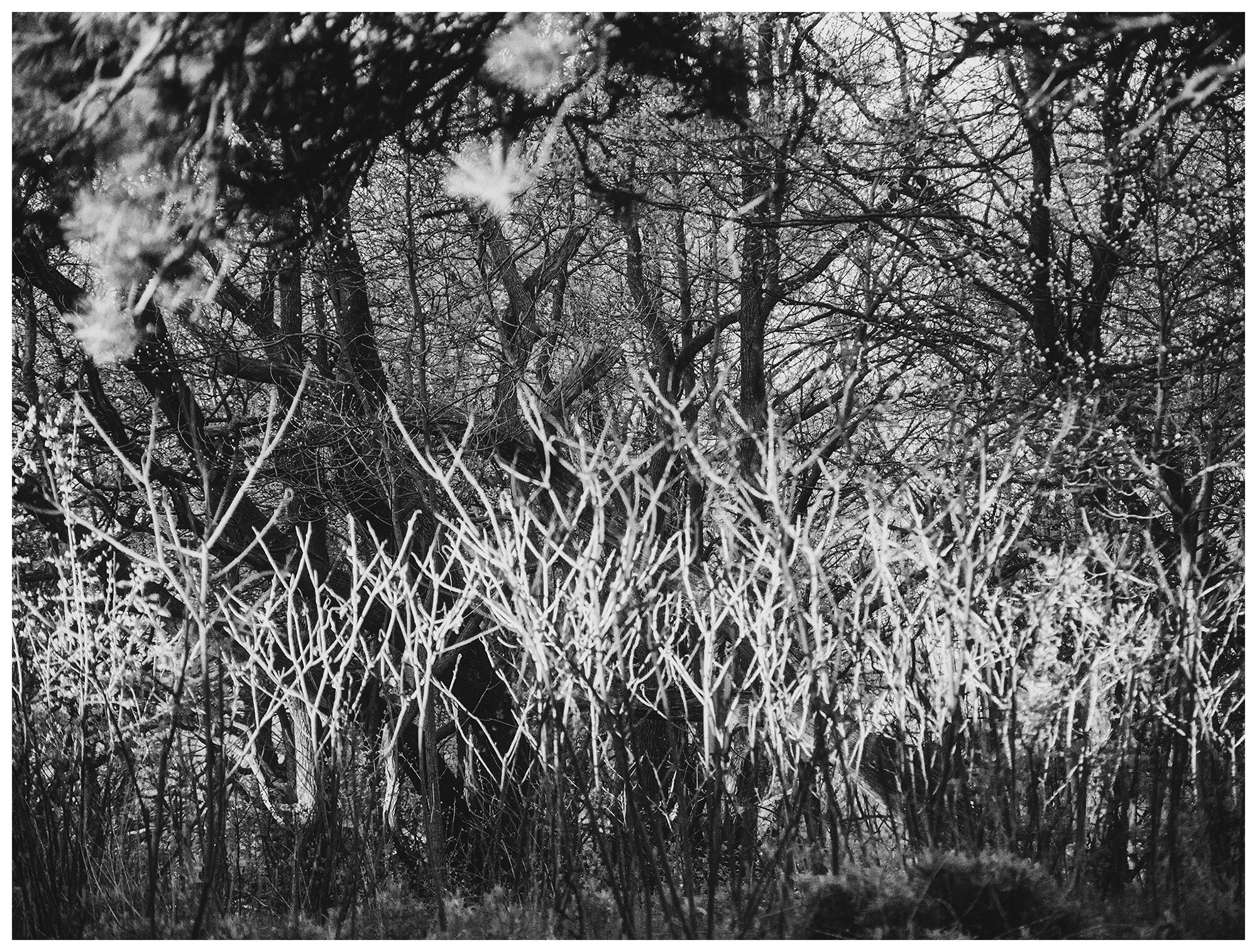
The lens features 8 aperture blades, and for a telephoto zoom, the bokeh is surprisingly pleasant. At longer focal lengths and closer focusing distances, background separation becomes more pronounced, and the compression helps create smooth background blur. Highlights stay relatively round when stopped down slightly, though you will see some geometric shaping as you close the aperture further. It’s not a “bubble bokeh” lens by any means, but it’s clean, calm, and non-distracting. For portraits at 135–200mm, it produces a flattering look with gentle falloff.
📍 If you pop the lens into Macro mode you can expect an even softer bokeh.
Macro Performance
One of the most interesting features of this lens is its built-in macro capability at 70mm, allowing a minimum focus distance of 44cm. This doesn’t deliver true 1:1 macro magnification, but it gets close enough for detailed close-up shots of flowers, textures, and small objects. The image quality in macro mode remains surprisingly sharp, especially when stopped down.
Having this built-in versatility means you can shoot telephoto compression one moment and move into close detail the next, without changing lenses. That flexibility is one of the biggest strengths of the 70-210mm f/4.
Flare & Backlight Performance
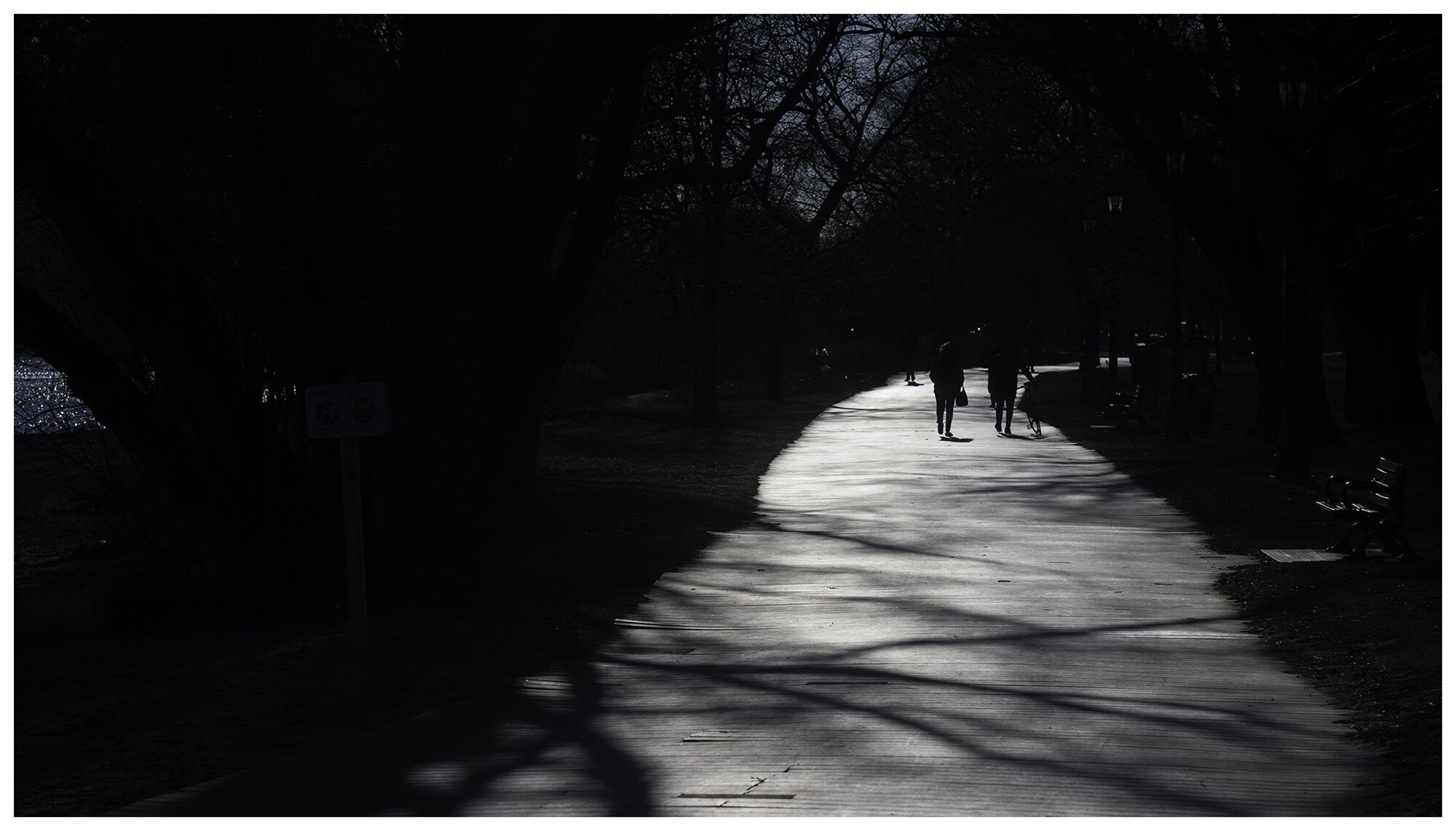
Vintage zooms often fall apart in strong backlight. This one holds its own. You can induce flare when shooting directly into the sun, but it manifests as soft veiling or subtle ghosts rather than harsh rainbow artifacts. Contrast drops slightly, but not dramatically. It’s not as good as lenses with modern coatings but definitely usable. With a lens hood attached, performance improves even further. For outdoor shooting in late afternoon light, especially compressed golden hour scenes, it behaves predictably and controllably.












Handling on Modern Cameras
Canon nFD 70-210mm f/4 Macro mounted on the Canon EOS R5 Mark II
Adapted to modern mirrorless systems, the Canon nFD 70-210mm f/4 Macro balances surprisingly well. It’s compact compared to modern telephoto zooms, and the constant f/4 aperture makes exposure consistent throughout the zoom range. The push-pull zoom mechanism is smooth and intuitive once you get used to it. Some photographers dislike push-pull designs because they can feel less precise, but personally, I found it quick and efficient in the field.
When it comes to adapting FL, FD and nFD lenses (they all have the same mount) my adapter of choice is the Fotodiox FD to EOS R adapter. Read more about it in this post.
Is the Canon nFD 70-210mm f/4 Macro Worth buying?
At around $50 on the used market, this lens is one of the best value vintage telephoto zooms available. It doesn’t offer dramatic vintage quirks or artistic aberrations. Instead, it delivers:
Solid sharpness
Reliable contrast
Pleasant bokeh
Good flare control
Built-in macro flexibility
Compact size
If you’re exploring Canon FD lenses or want an affordable entry into vintage telephoto photography, this is a fantastic starter lens. It may not have the wild character of some classic primes, but its consistency, versatility, and price-to-performance ratio make it incredibly easy to recommend.
When Canon discontinued the nFD 70-210mm f/4 Macro they replaced it with the Canon nFD 80-200mm f/4 L. It’s also a very good lens with excellent image quality. It has a smaller zoom range, no macro mode and costs between $100 - $200 USD on the used market. Is it a better buy? I don’t know, like I mentioned earlier when you shrink your images down for social media they sharpen up. So is the extra dough well spent? That’s up to you to decide. Personally I would go with the nFD 70-210mm f/4 Macro because it has a macro mode and the saved money can be spent on another vintage lens.
Final Thoughts
Shooting with the Canon nFD 70-210mm f/4 Macro feels like stepping into a transitional era of lens design, where vintage mechanical craftsmanship met increasingly modern optical refinement. It doesn’t scream for attention. It doesn’t overwhelm you with personality. Instead, it quietly does its job, and does it well. For me, that’s part of the fun. It’s a reminder that not every vintage lens needs dramatic flaws to be interesting. Sometimes, a well-built, affordable, and reliable telephoto zoom is exactly what you need. And at this price point, it’s hard to go wrong.
Read Next:
Canon nFD 70-210mm f/4 Macro - Mini Review, Technical Overview & History
Shooting the Canadian International Air Show with a Vintage Canon nFD 70-210mm f/4 Macro