My Experience Designing a 90’s Editorial Fashion Inspired Campaign with Artificial Intelligence
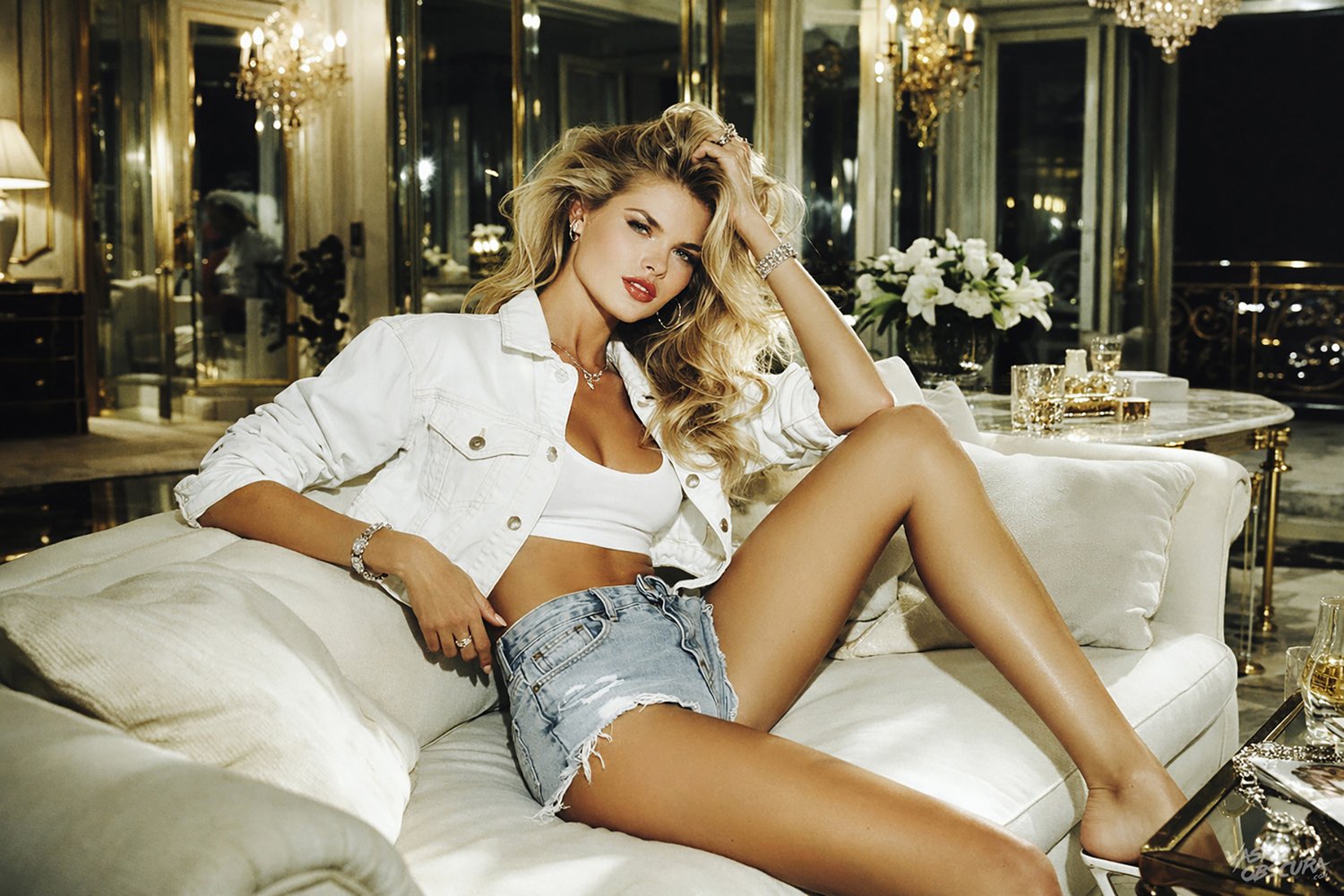
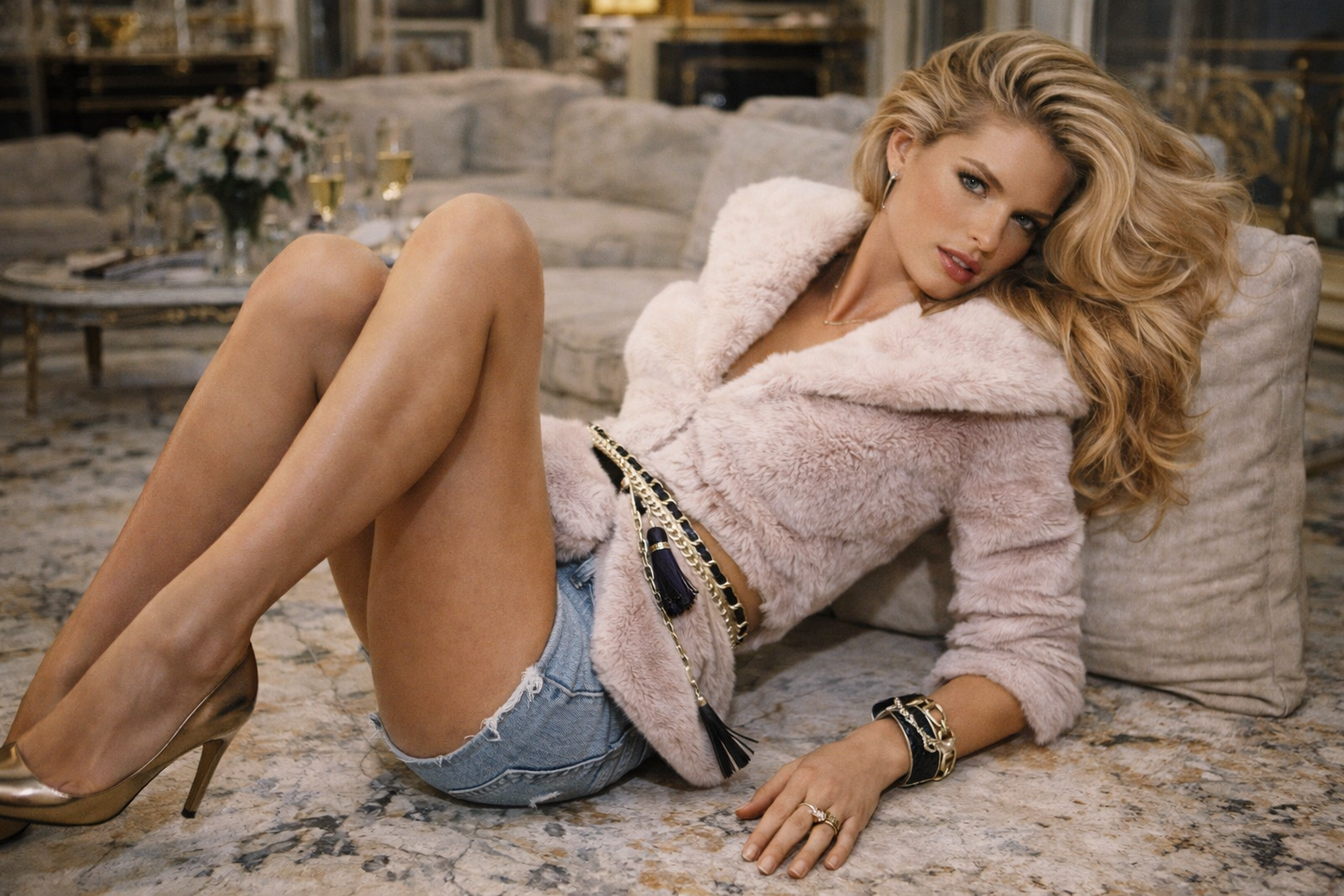
Recently, I created a fashion editorial photo series using artificial intelligence, and the experience felt strangely similar to planning a real magazine shoot. The model, the location, the lighting, and even the creative direction all began as ideas in my imagination before becoming fully realized images. The project resulted in Helga, a Scandinavian inspired fashion model who doesn’t exist in the physical world but somehow feels completely real on screen. Seeing those images for the first time was a surreal moment, proof that AI image generation has reached a point where imagination can move directly into visual storytelling.
Growing up in the 1990s, I was always fascinated by the photography in classic GUESS advertisements. Those campaigns had a timeless confidence, strong models, cinematic lighting, European elegance, and a sense of fashion storytelling that felt exciting. Long before AI existed, those images shaped how I understood editorial photography. When I started experimenting with AI image generation, my instinct wasn’t to create random visuals. I wanted to recreate the feeling of a 90’s fashion campaign, something polished, intentional, and cohesive.
Helga began as a simple concept rather than a technical experiment. I imagined a Scandinavian model with a strong editorial presence, sharp features, and the kind of confident attitude often seen in vintage fashion magazines. I explored how AI prompting could translate artistic direction into a believable person. Watching a fictional character evolve through multiple generations of images felt less like using software and more like collaborating with a digital creative partner. It was really a unique experience. Each iteration refined personality, styling, and mood until the character felt consistent enough to carry an entire editorial series.
The setting quickly became just as important as the model herself. I envisioned a luxury French apartment in Paris, elegant interiors, soft natural light, and a subtle sense of European sophistication. Including glimpses of the Eiffel Tower in the background helped ground the images in a recognizable fashion-world fantasy. Even though everything was generated digitally, I approached the environment the same way I would approach location scouting for a real shoot. The goal wasn’t realism alone, it was atmosphere.
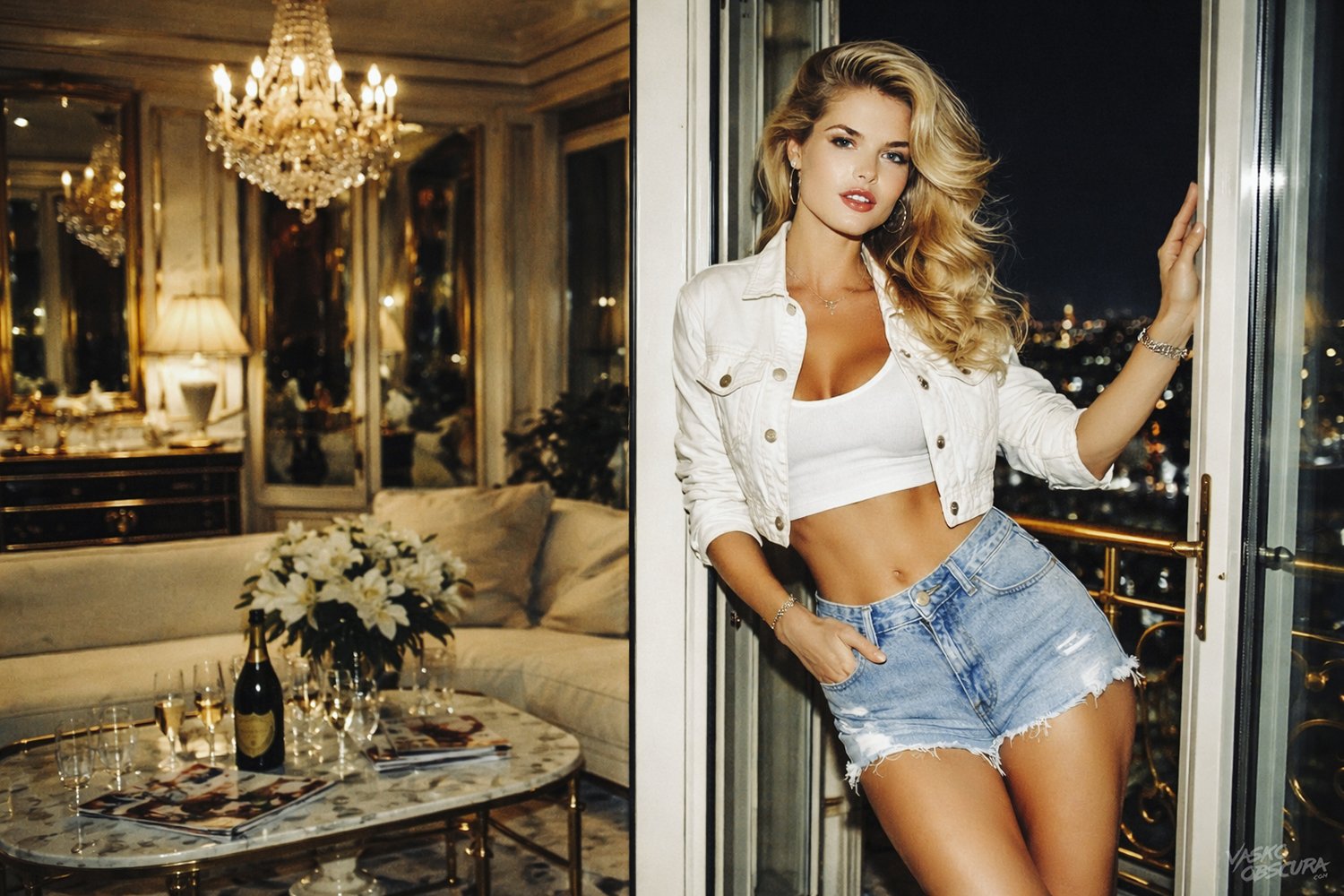
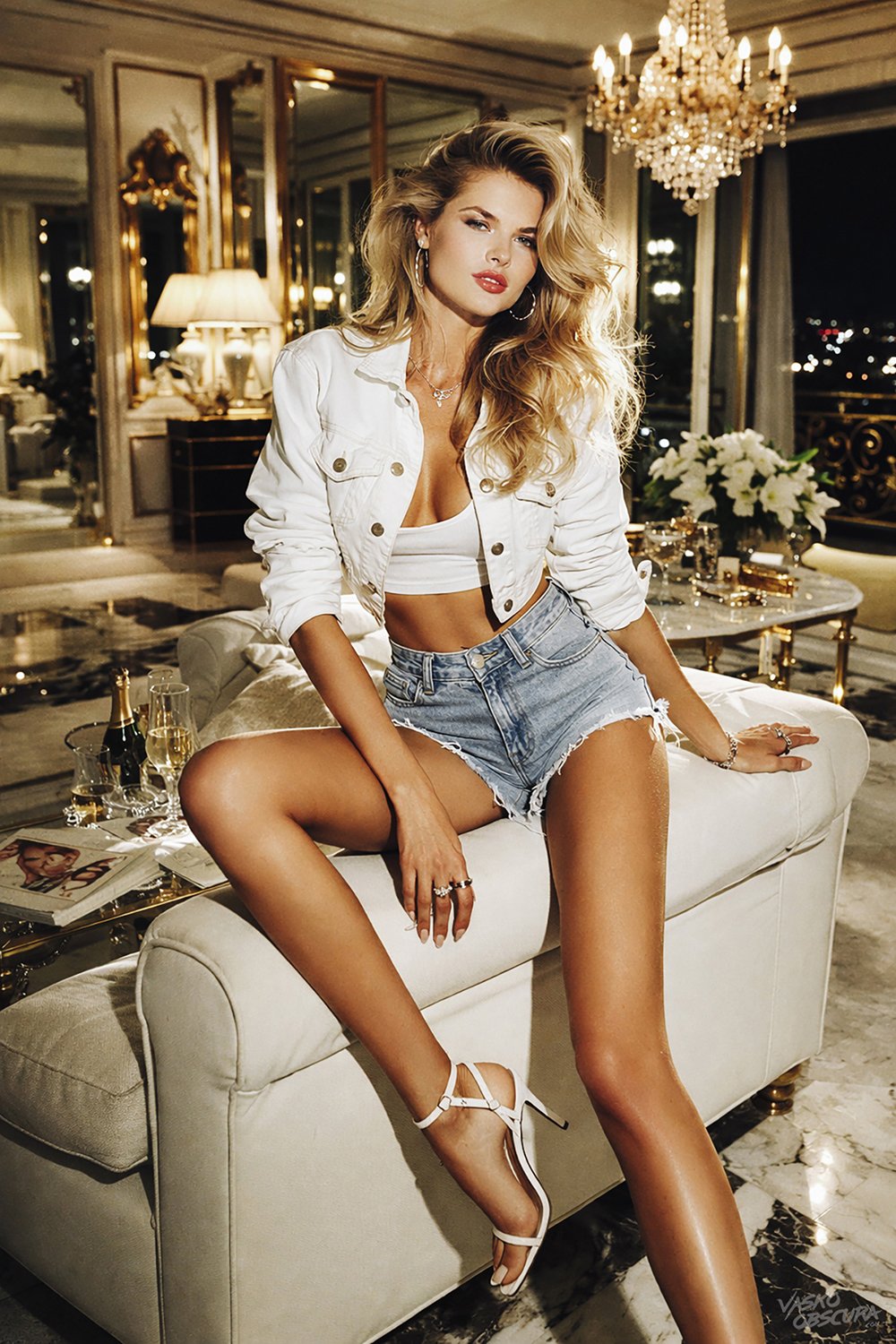
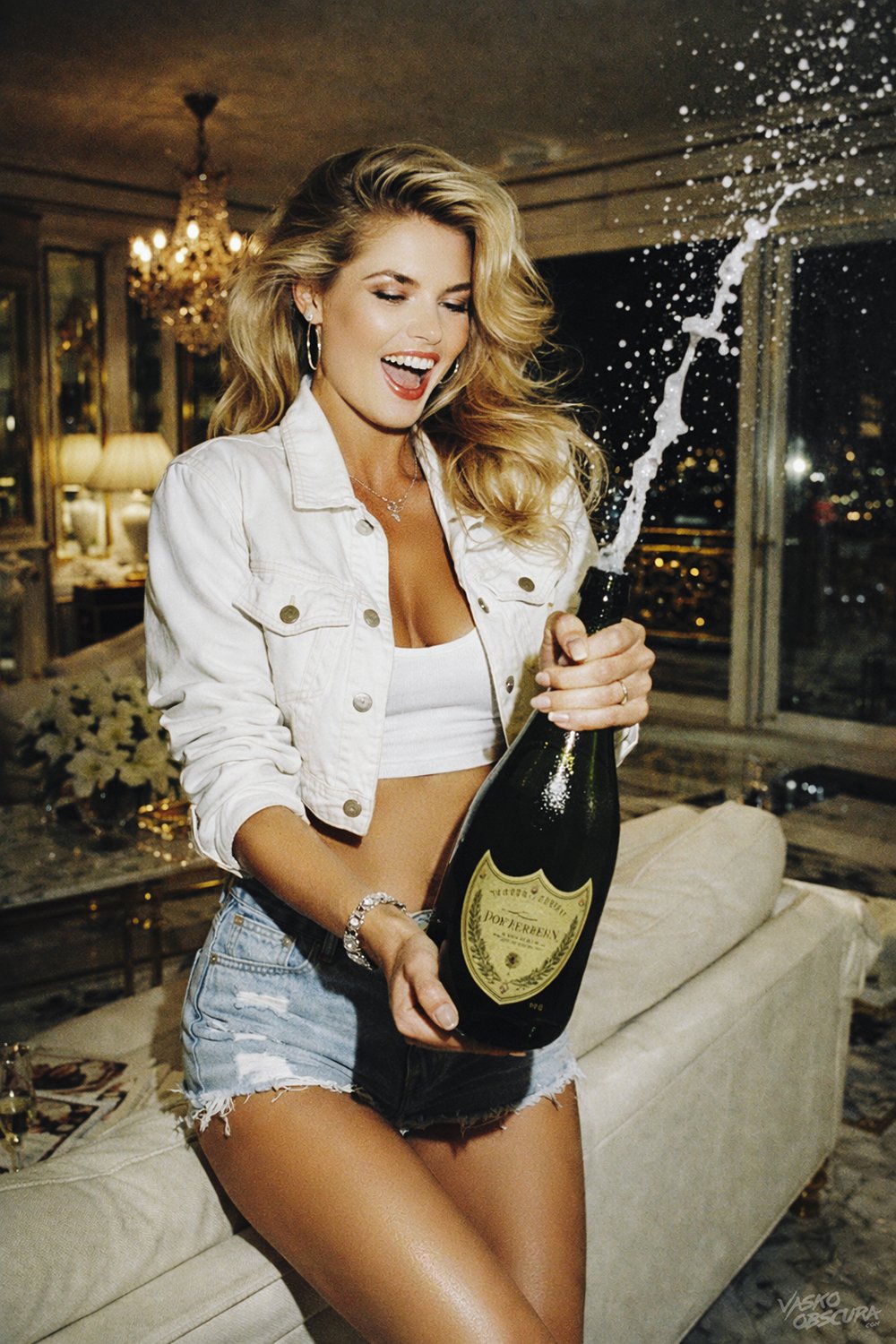
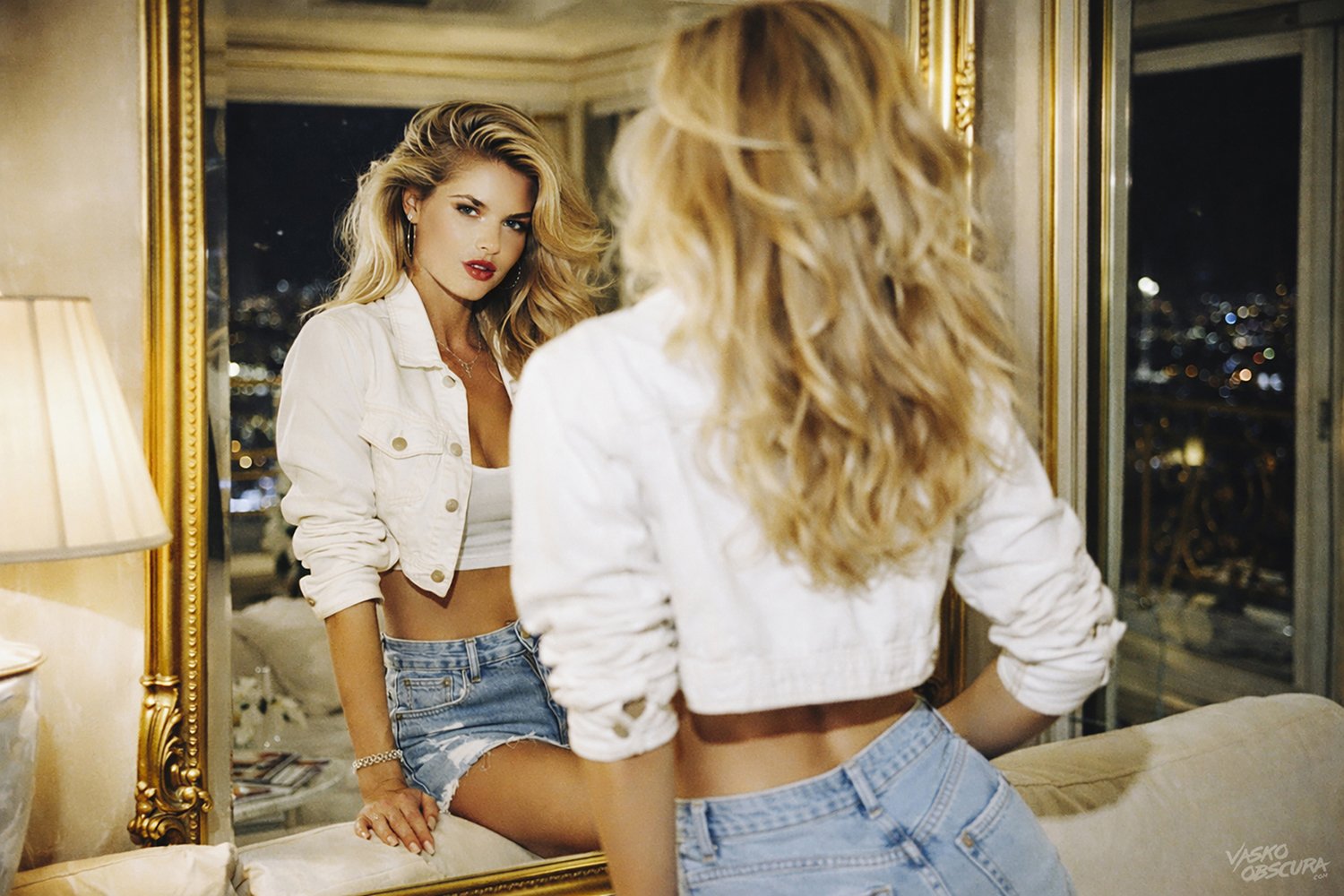
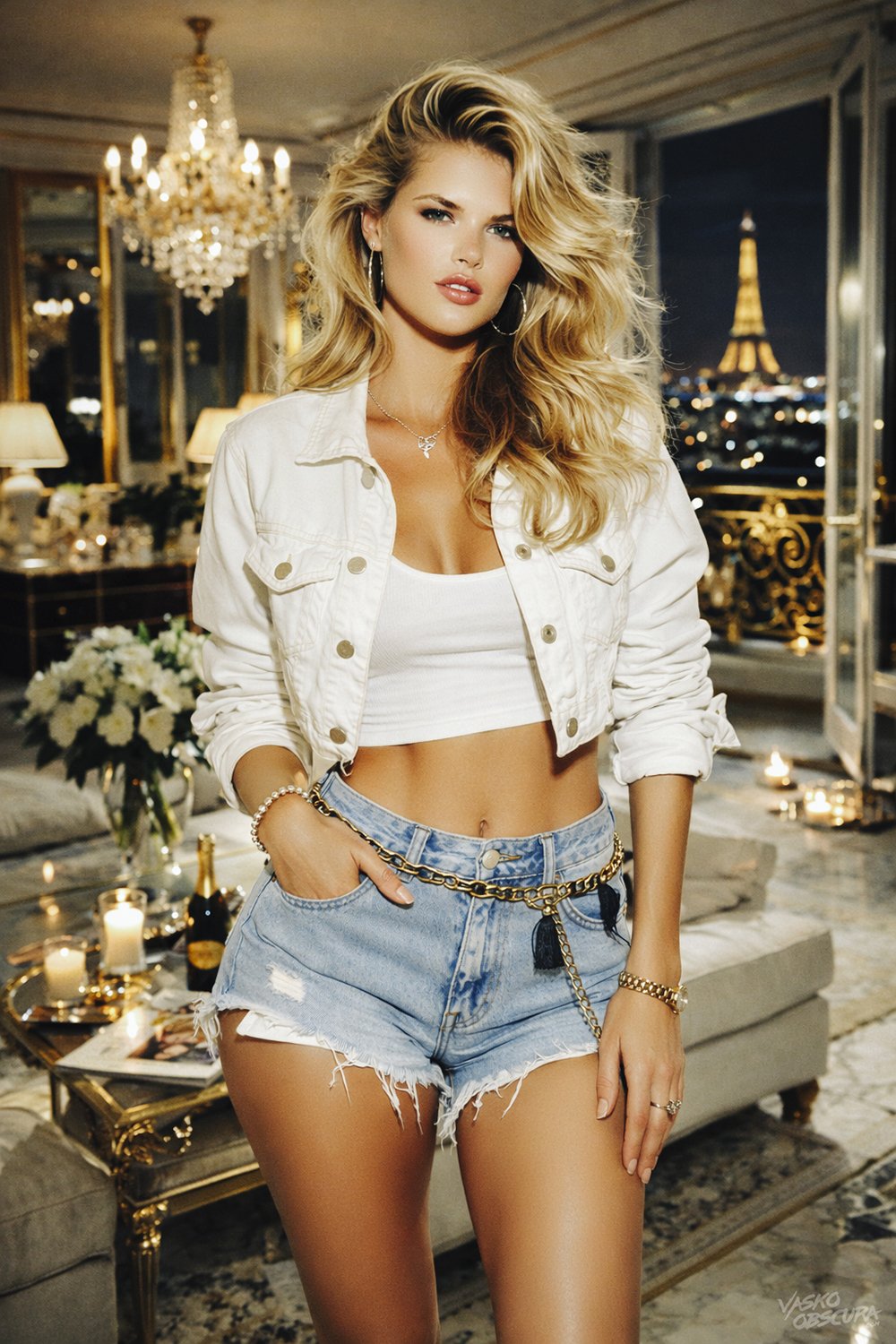
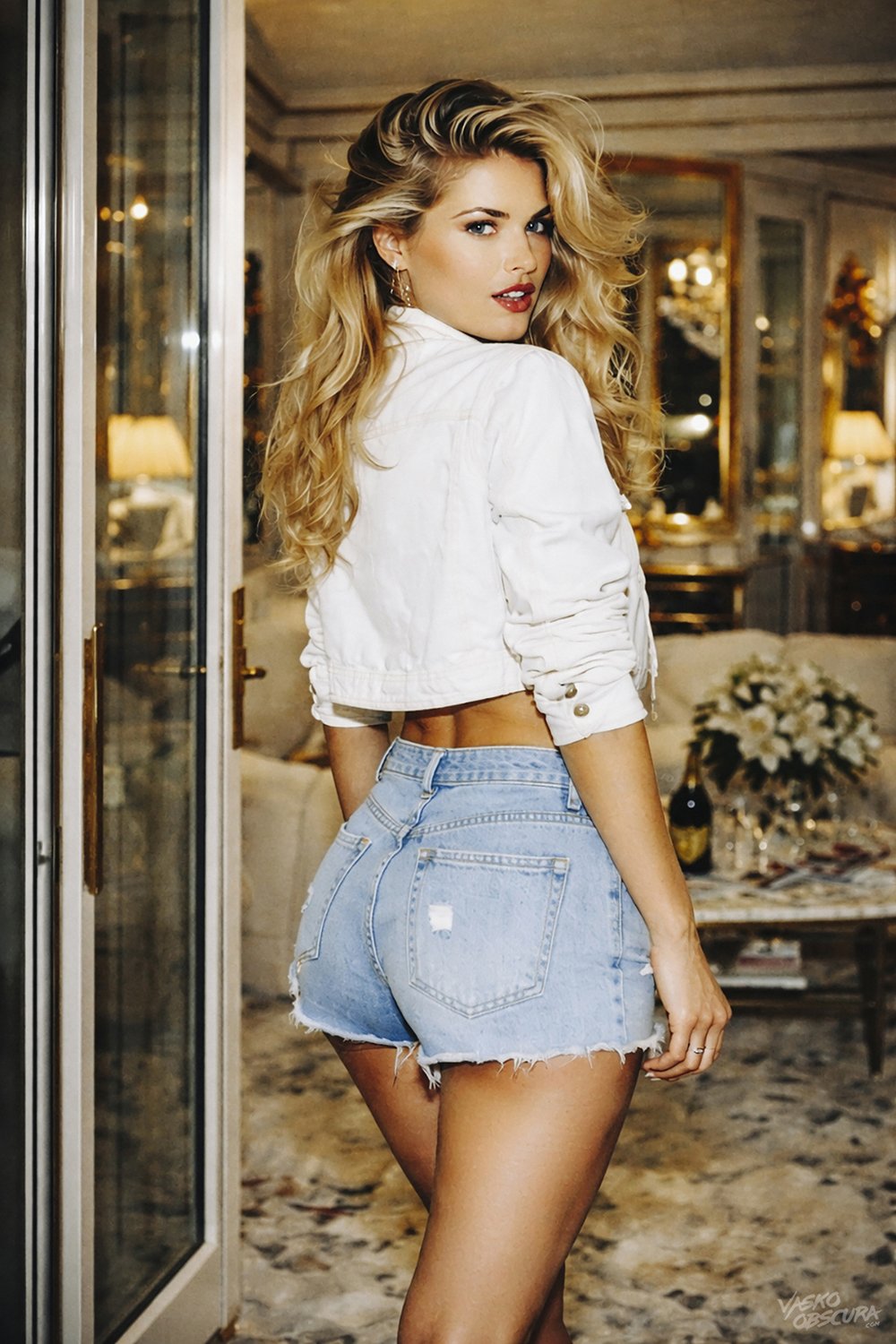
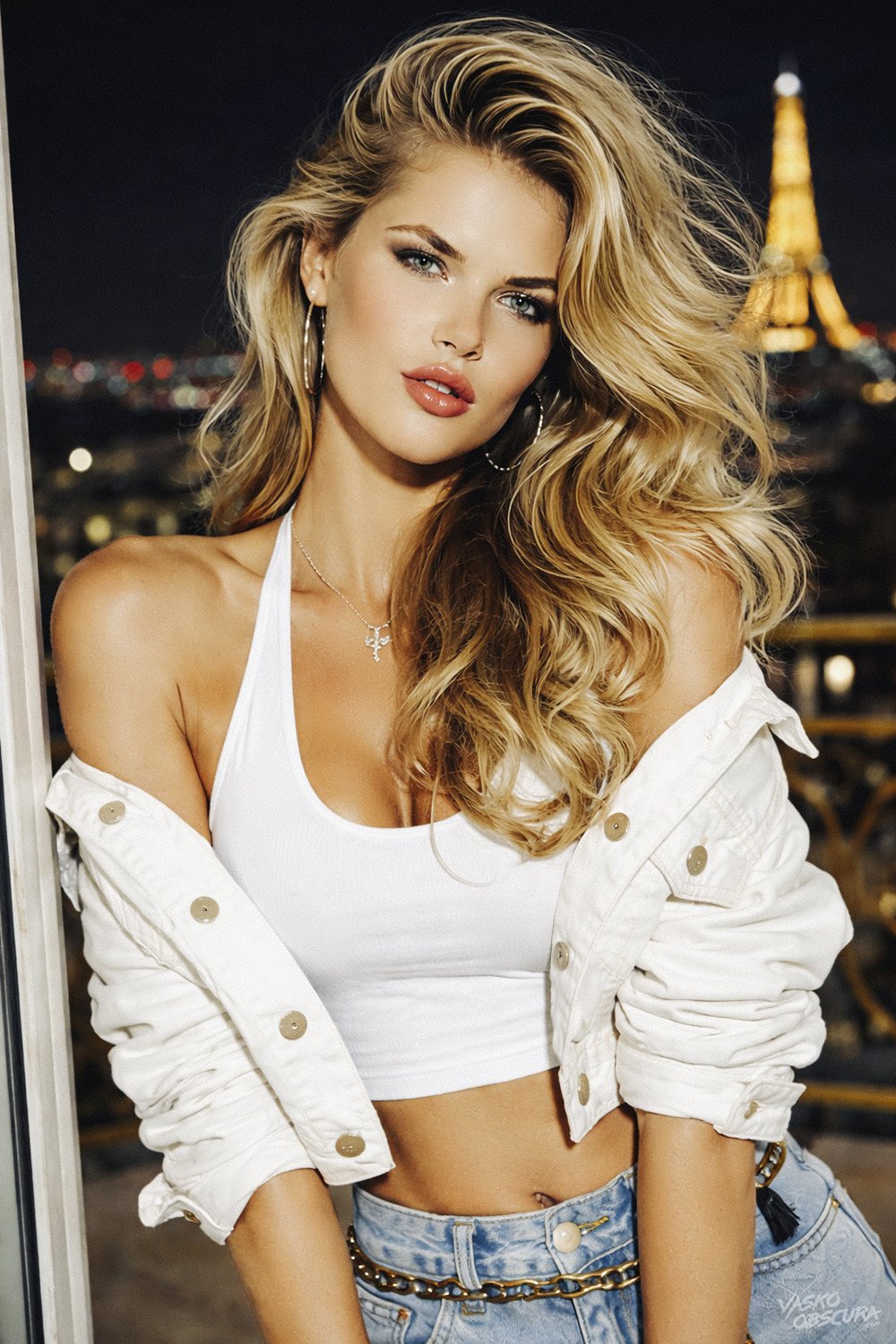
What surprised me most during the process was how much my photography background influenced the results. I found myself thinking about lighting setups, film aesthetics, and lens character while writing prompts. Rather than asking AI to simply create an image, I mentally designed lighting ratios, shadow depth, and tonal contrast as if I were standing behind a camera. I was the art director. The images started to feel less like AI art and more like photographs that had been directed, lit, and styled intentionally.
Posing became one of the most interesting creative challenges. In traditional fashion photography, directing a model is a conversation between photographer and subject. With AI, that dialogue happens through text prompts. I experimented with prompts that suggested movement, confidence, and editorial body language, gradually shaping each image. My intention was to create an editorial campaign just as if I was hired to shoot a campaign for GUESS. There is a strong establishing shot to set the mood, a hero shot to impress, a movement frame to make the set feel more organic instead of posed, there is an intimate portrait to draw viewers in and an icon shot for one-off ads and posters. All the elements needed for a strong editorial magazine spread. Only thing missing is a product detail shot because none of these products are real.
Once the images were generated, the process shifted back into familiar territory. I imported everything into Lightroom and treated the files exactly as I would real photographs. Color grading, tonal adjustments, and film-inspired looks helped unify the series visually. I’ve been working on some amazing Kodak Portra-400 inspired presets that worked perfectly. I’ll post them in my online shop when they’re ready. Afterward, Photoshop allowed me to refine details and polish the final presentation. That stage reinforced something important for me. AI may generate images, but the photographer’s eye still defines the final result. The creative process didn’t end with generation, it evolved into post-production, where style and authorship became clear.
The biggest limitation I encountered was resolution. While the creative possibilities felt almost unlimited, the image files themselves didn’t yet match the flexibility of a high-resolution camera. As someone accustomed to working with detailed images, I couldn’t help imagining how powerful this workflow will become when AI generation delivers ultra-high-resolution images suitable for large-scale editorial printing. Even with that limitation, the finished series felt surprisingly complete.
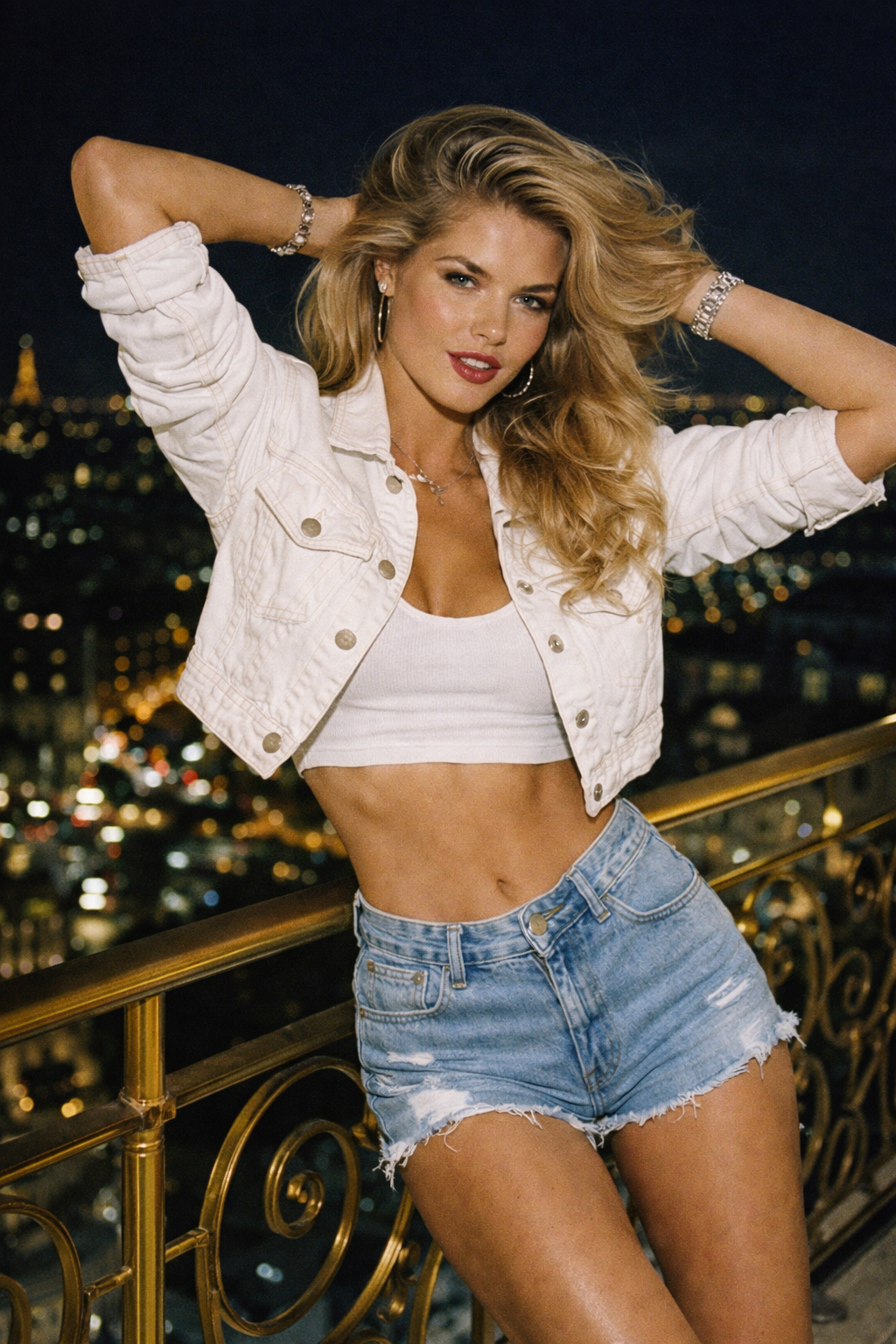
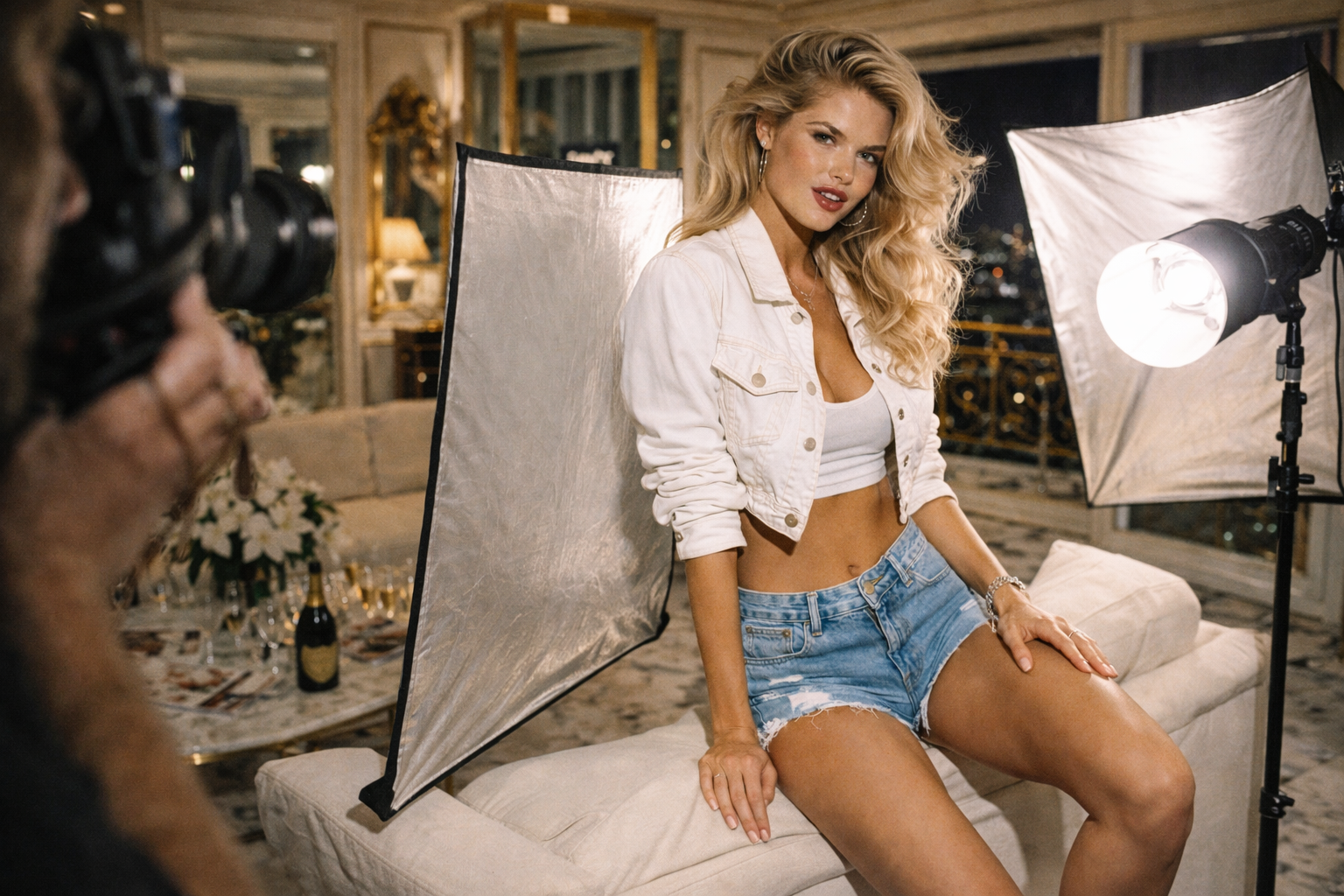
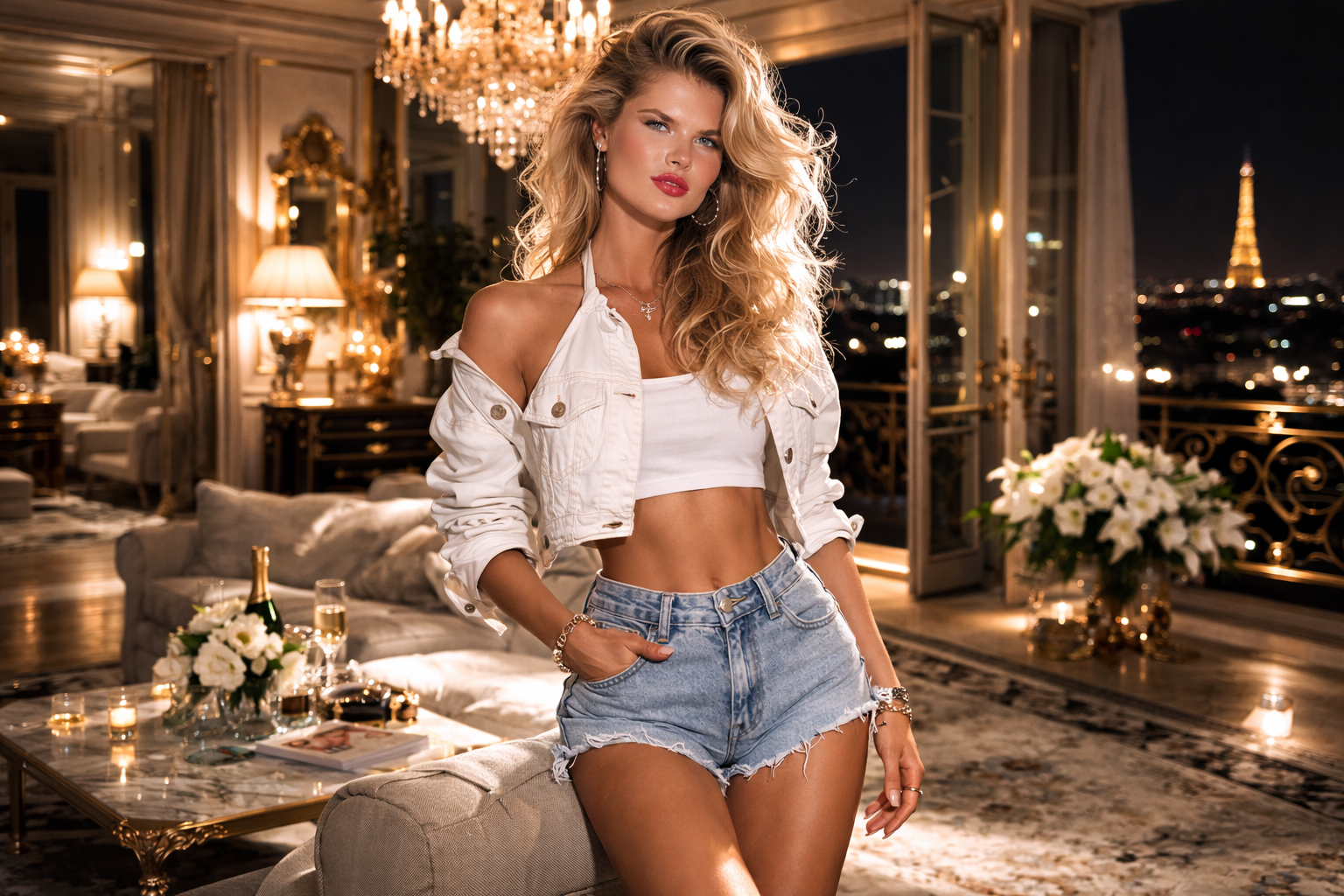
Another problem I ran into was consistency in the model’s face and also with lighting and styling. Just like real models AI also gets distracted and loses the plot. Here are some unedited outtakes right out of the image generator. I found that you have to be very specific with your language when creating an image otherwise AI fills in the missing context with whatever it conjures up. I even went so far as to create my own catalogue of terms with prompt definitions that I got the AI to memorize. It was a fun learning experience for sure. You can see right out of the AI image generator the images needed a bit of work to polish up.
Creating Helga made me realize that artificial intelligence isn’t replacing photography, it’s expanding what photography can be. For photographers, AI image generation feels less like abandoning the camera and more like gaining a new creative space where ideas can be explored before they ever reach a physical set. It allows experimentation with concepts, lighting styles, and visual identities that might otherwise remain unrealized. I don’t know what the future holds with AI and photography but the way I see it, I might as well learn the skills that will be needed in the future to keep my business flexible.
There’s something incredibly powerful about seeing an image that once existed only in your imagination appear fully formed on screen. The process feels part photography, part art direction, and part storytelling. Standing at the intersection of technology and creativity, I found myself experiencing the same excitement I felt when I first picked up a camera years ago, the feeling that new tools are opening doors to entirely new forms of visual expression. And if this is what AI editorial photography looks like today, it’s hard not to wonder what creators will be capable of tomorrow.