
Helios-44 58mm f/2 (Silver), Vintage Portrait Lens with a Unique Legacy
Helios-44 58mm f/2 (Silver), Vintage Portrait Lens with a Unique Legacy
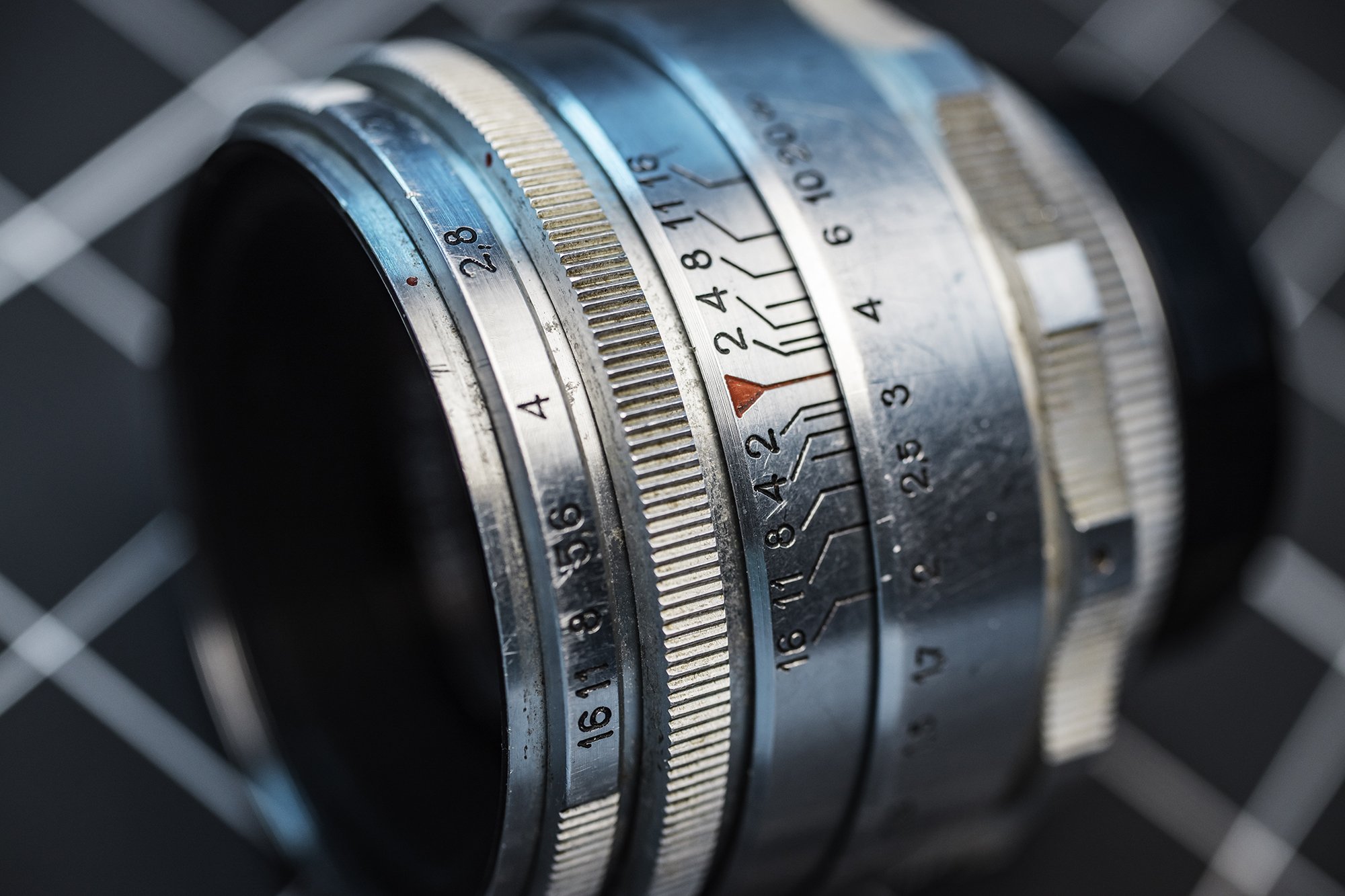
When I first picked up my Helios-44 58mm f/2 in its original silver metal body (serial number 0104289 from the KMZ plant for those into that) I felt like I was holding a piece of photographic history. This isn’t just any vintage lens, it’s one of the most iconic pieces of Soviet-era glass ever made, with roots that trace back to one of the most influential optics designs of the 20th century. Originally designed and built by the German company Zeiss, and called Carl Zeiss Biotar 58mm f/2, after World War II the Russians got the machinery and rights to manufacture the lens as part of the war reparations and called it Helios-44. The interesting thing is that because Russia was communist there wasn’t a company/brand that produced the lenses instead the lenses were branded with the logo of the factory in which they were built. Not all factories were made equal and lenses produced in different factories have different characteristics and even lenses made in the same factories over different time periods have different characteristics.

LENS SPECS
Release Date: 1958
Format: 35mm
Mount: M39
Filter: 49mm
Aperture Blades: 13
Aperture Range: 2 - 16
Min Focus Distance: 0.50m
Weight 230g
Optical Design: 6 elements in 4 groups
Weather Sealing: No
APS-C Conversion Approx.: 92mm
Classic Construction & Mechanical Feel
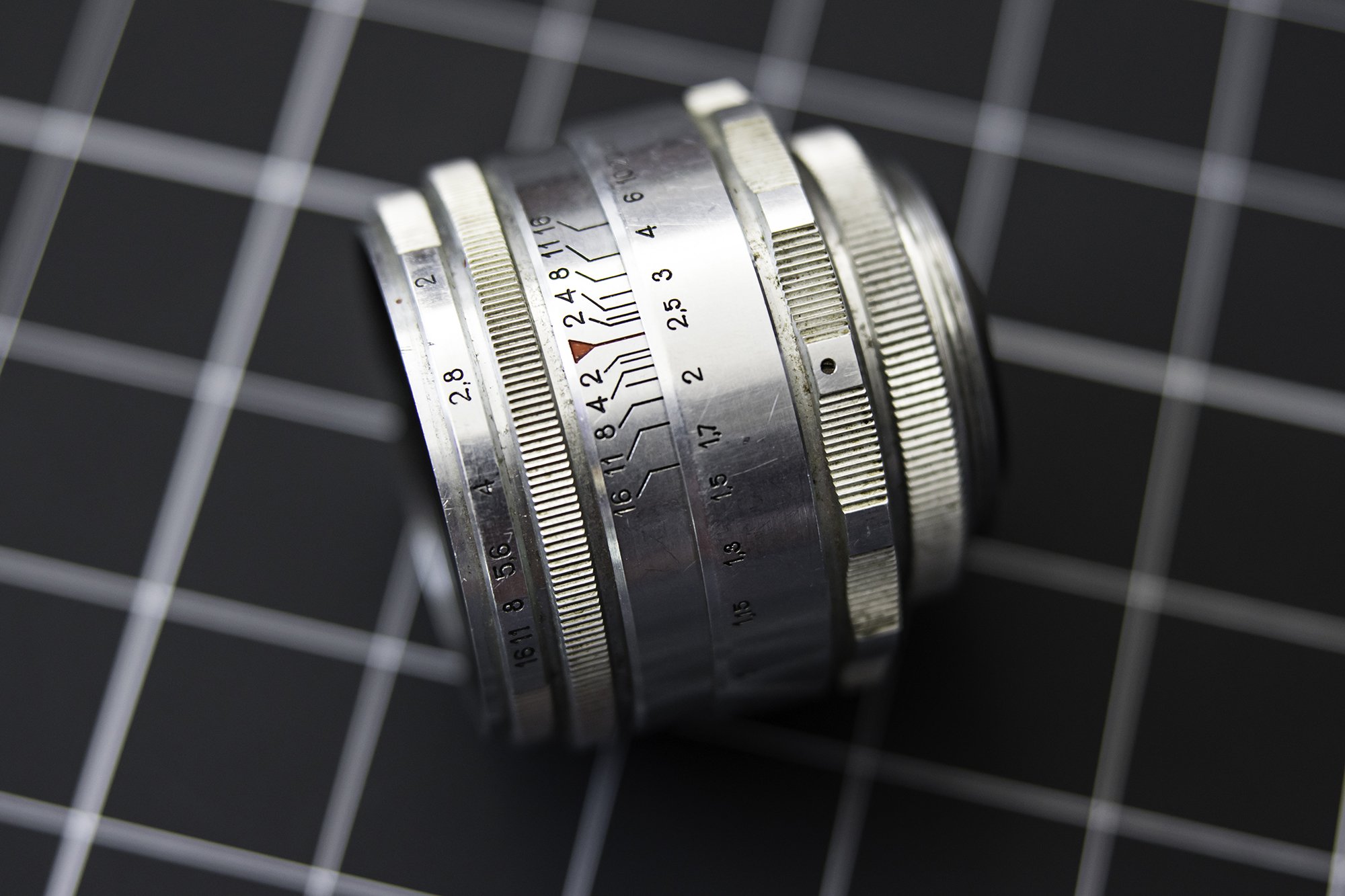
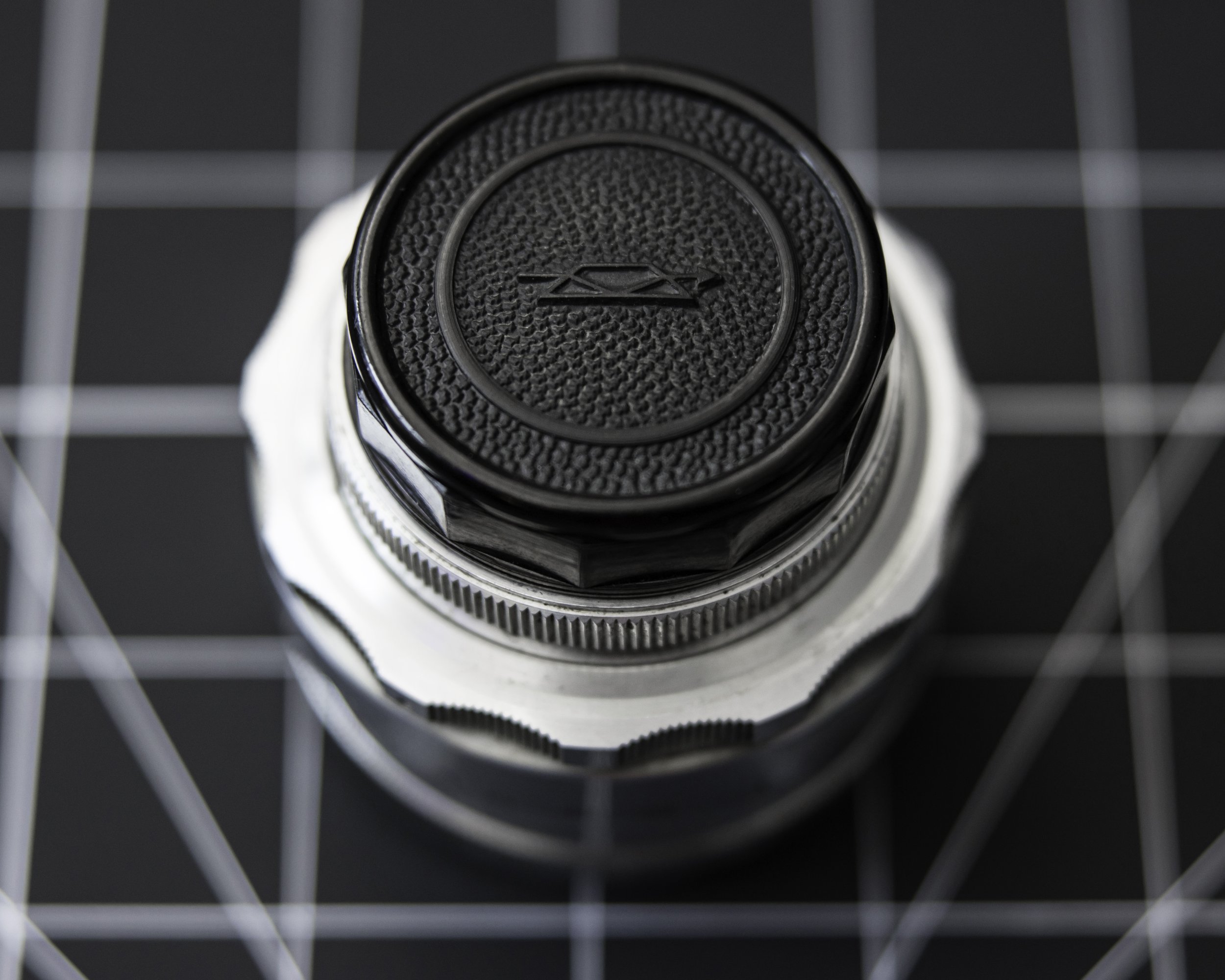
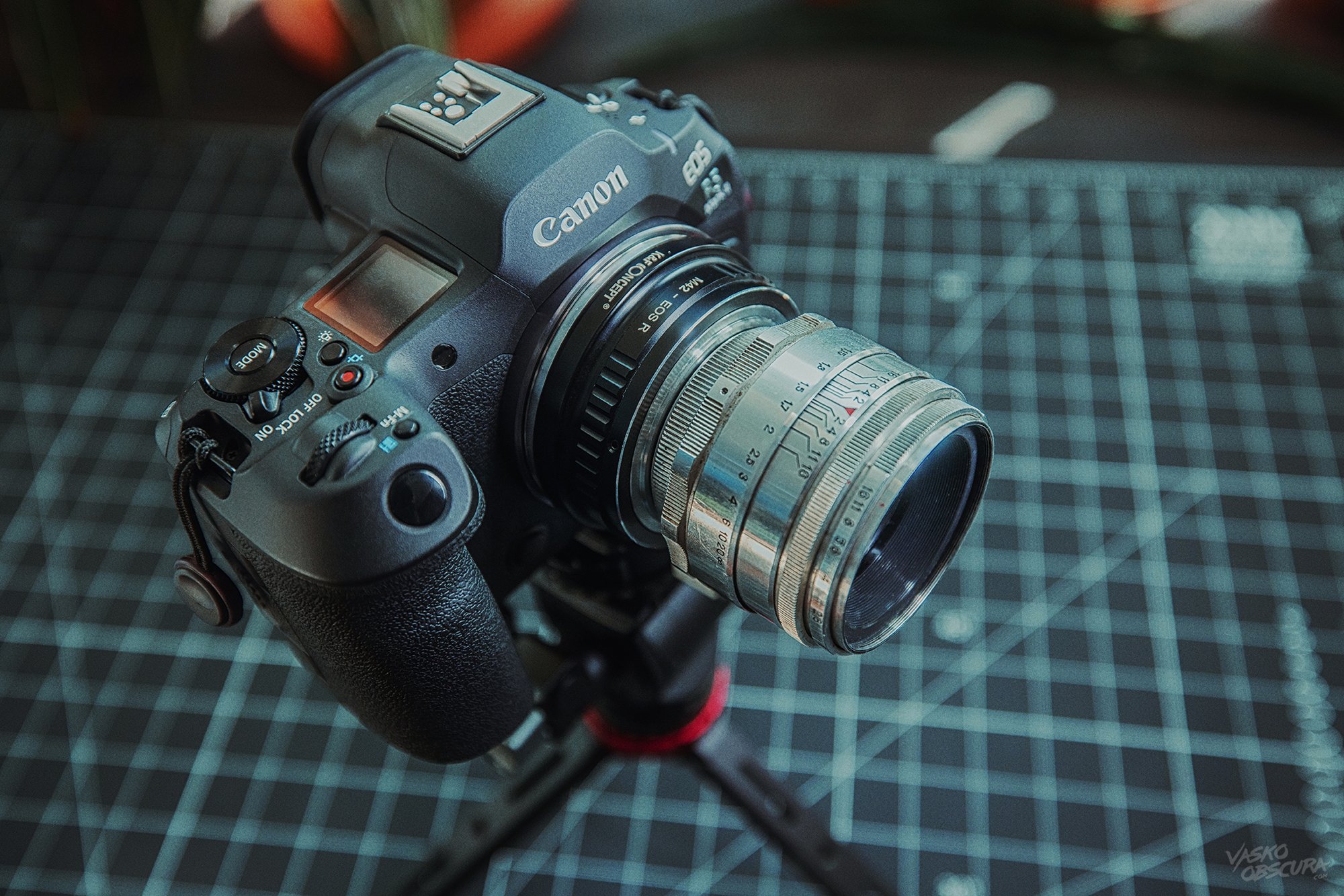
From a physical standpoint, this older silver Helios feels wonderfully mechanical, all metal, solid, and weighty (around ~230 g). The focus ring has just the right amount of resistance, and the aperture ring clicks positively as you stop down. Unlike many modern lenses, it’s a purely manual experience, no electronics, no autofocus, just you, the lens, and your subject. It’s the kind of tool that makes you slow down and think about the picture you’re making.
The lens itself was built on a preset diaphragm system common to early Helios models, and the silver finish places it among the earliest generations before housing designs shifted to the more familiar black metal barrel in later variants.
Gear Shots







A Lens Born of History
The Helios-44 series was mass-produced in the Soviet Union from the late 1950s through the late 1990s and equipped thousands of Zenit cameras, making it one of the most widely circulated standard lenses of its era. What makes this particular silver version so fascinating is that it represents one of the earlier generations, sometimes known for slightly different coatings and mechanical designs compared to later black-bodied versions. Because the USSR didn’t operate with a single commercial lens brand, these lenses were stamped with the logo of whatever factory produced them, and since quality and coatings varied by plant and even by year, two Helios-44 lenses can have subtly different personalities. Particularly for collectors, that’s part of the fun, almost like collecting fine wine: lenses from different years and factories can have their own distinct traits.
Why It Matters
While this lens may technically be a copy of a German design, the Helios-44 has become a distinct classic in its own right. It’s mechanically satisfying, and historically rich. And while the famous “swirly bokeh” gets most of the attention, I’ve always found the real joy of the Helios-44 lies not just in its image character, which we’ll dig into in the optical performance blog, but in the experience of using it. There’s something nostalgic and tactile about setting focus and aperture manually, feeling the clicks and turns, and watching how a lens made decades ago still brings your modern images to life. If you’re thinking about picking up a Helios-44 weather it’s the older silver version or newer black version I can tell you this. You’ll have a ton of fun researching which lens to buy and then you’ll have just as much fun using it.
🤓 Read Next:
Helios-44 58mm f/2 Sample Images & Optical Performance
How to Mount Vintage M39 Lenses to Mirrorless Cameras