
Helios-44 58mm f/2 Sample Images & Optical Performance

Helios-44 58mm F/2
The Helios-44 58mm f/2 is one of those lenses that photographers keep coming back to, not because it’s technically perfect, but because it feels different and produces images you rarely see from modern glass. My silver-bodied copy, has become a favorite lens for experimentation, portraits, and artistic shots thanks to its unique characteristics and legacy. Below, I’m sharing my optical performance impressions, sample photo insights, and practical notes on how this vintage classic behaves in real shooting situations.
Sharpness: Center vs Edges
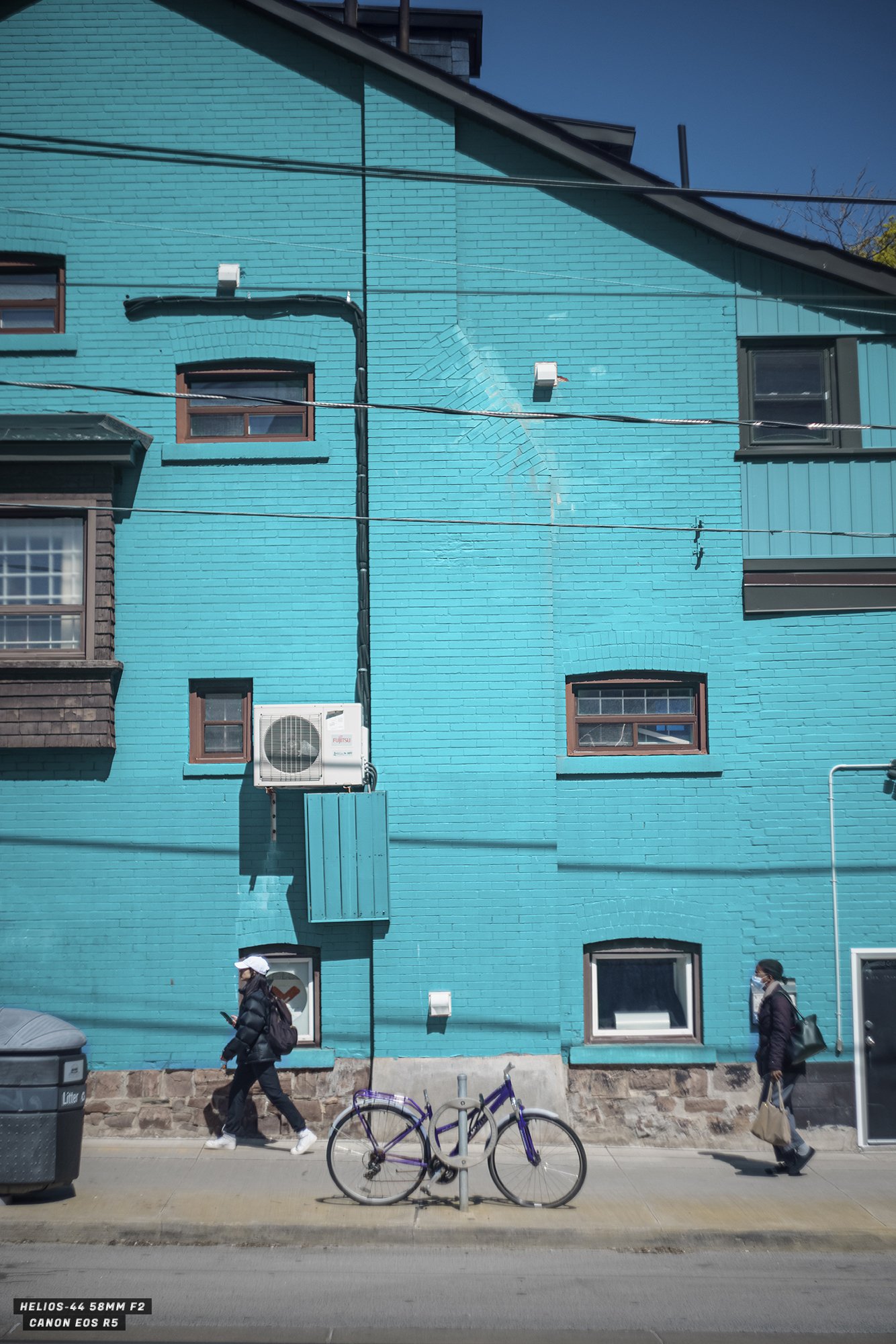
One of the first things I noticed when reviewing my shots is that the Helios-44’s sharpness is very center-weighted. The center of the frame can be quite sharp, especially when stopped down slightly from f/2 toward f/2.8–f/4. However, sharpness drops noticeably toward the edges and corners — something that’s common for lenses of this era and contributes to the classic look.
This sharpness characteristic means you can’t always rely on standard composition rules (like placing your subject at the extreme edge of the frame) if crisp detail is your priority. In many of my shots, I find the center-focused rendering helps guide the viewer’s eye strongly toward the subject.
The Iconic Swirly Bokeh
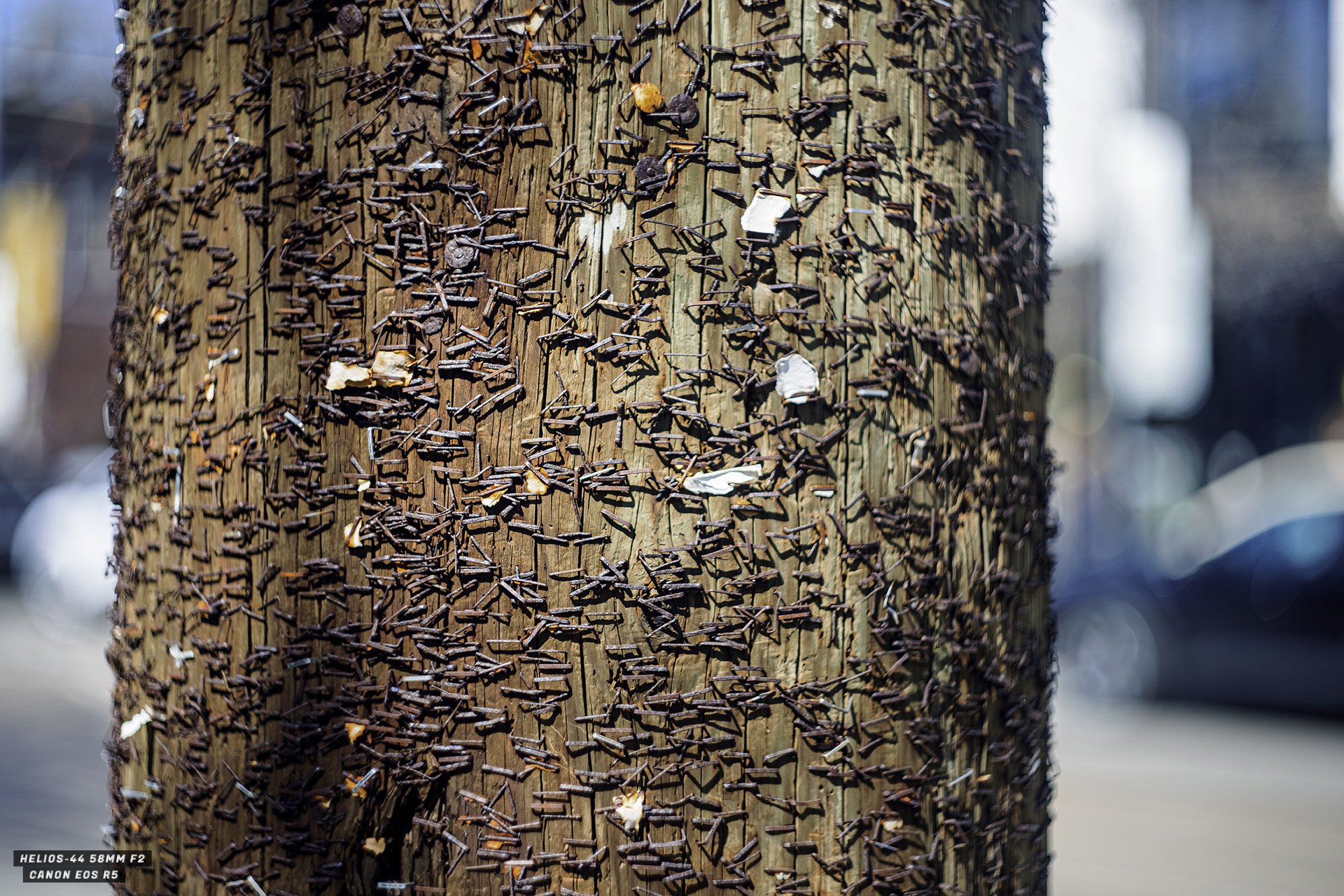
If there’s one thing the Helios-44 is best known for, it’s the swirly bokeh that appears in out-of-focus backgrounds — especially when shooting wide open at f/2.
This swirl effect happens because of the lens’s optical design, originally based on the classic Carl Zeiss Biotar 58mm f/2 formula (a design the Soviets adapted and reproduced). When background elements are far enough behind your subject and you’re shooting at a shallow depth of field, those highlights curve around the focused area in a circular, almost vortex-like pattern.
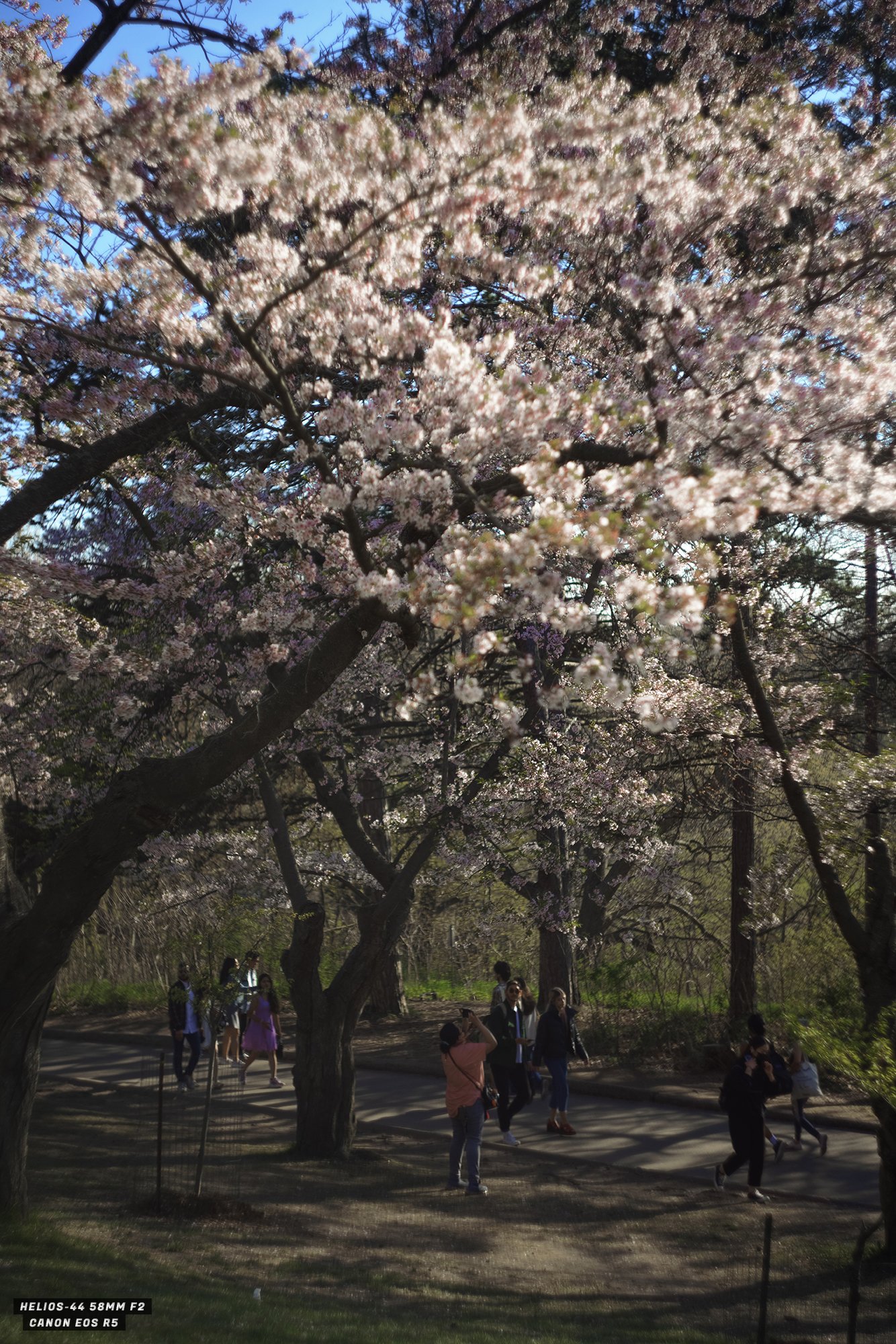
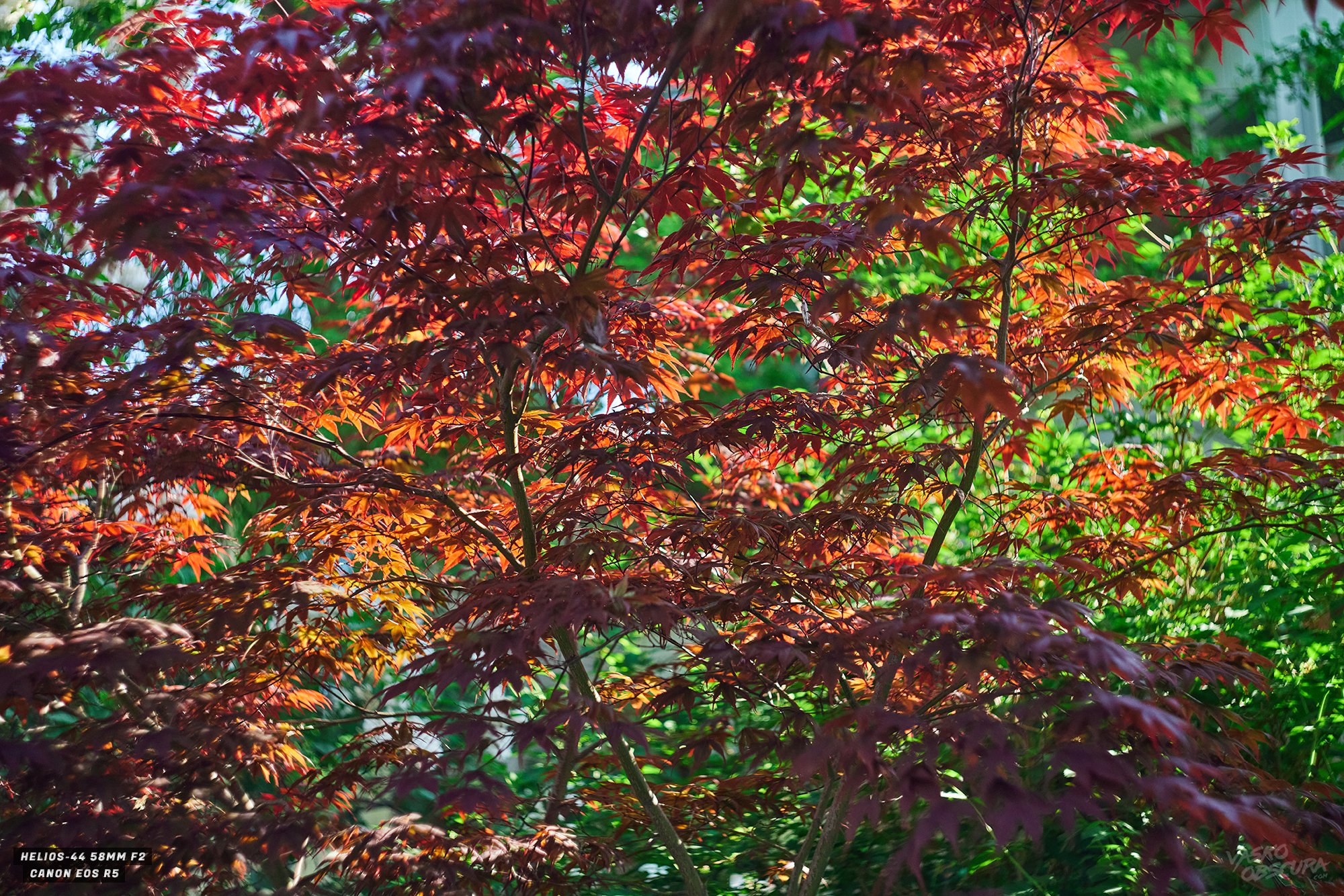
This swirling effect is not just a novelty — it’s the visual signature that draws photographers to this lens. Whether you’re shooting portraits, foliage, or architectural details with busy backgrounds, that swirl gives your images a distinct artistic personality that modern lenses rarely replicate.
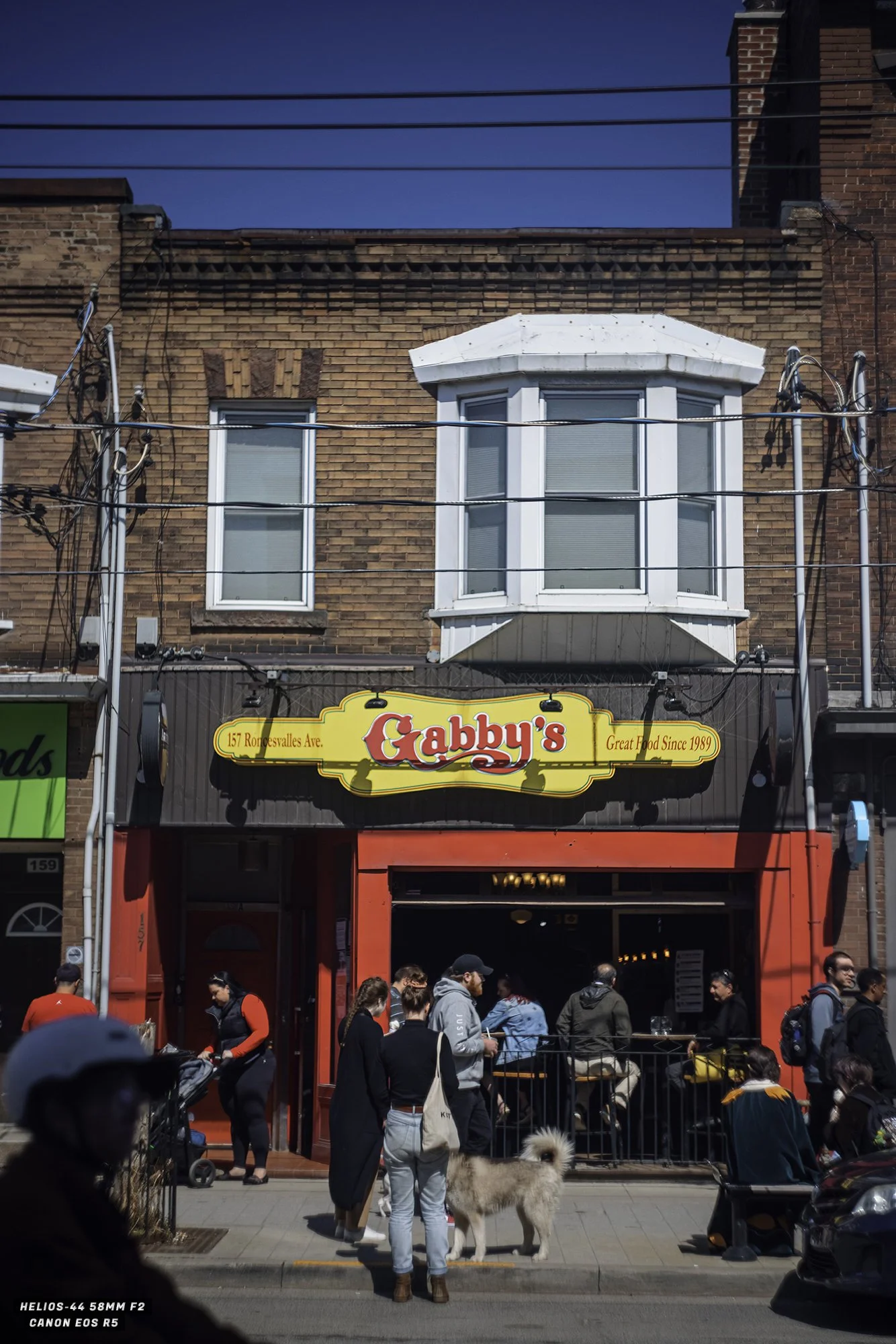
Sample Photos








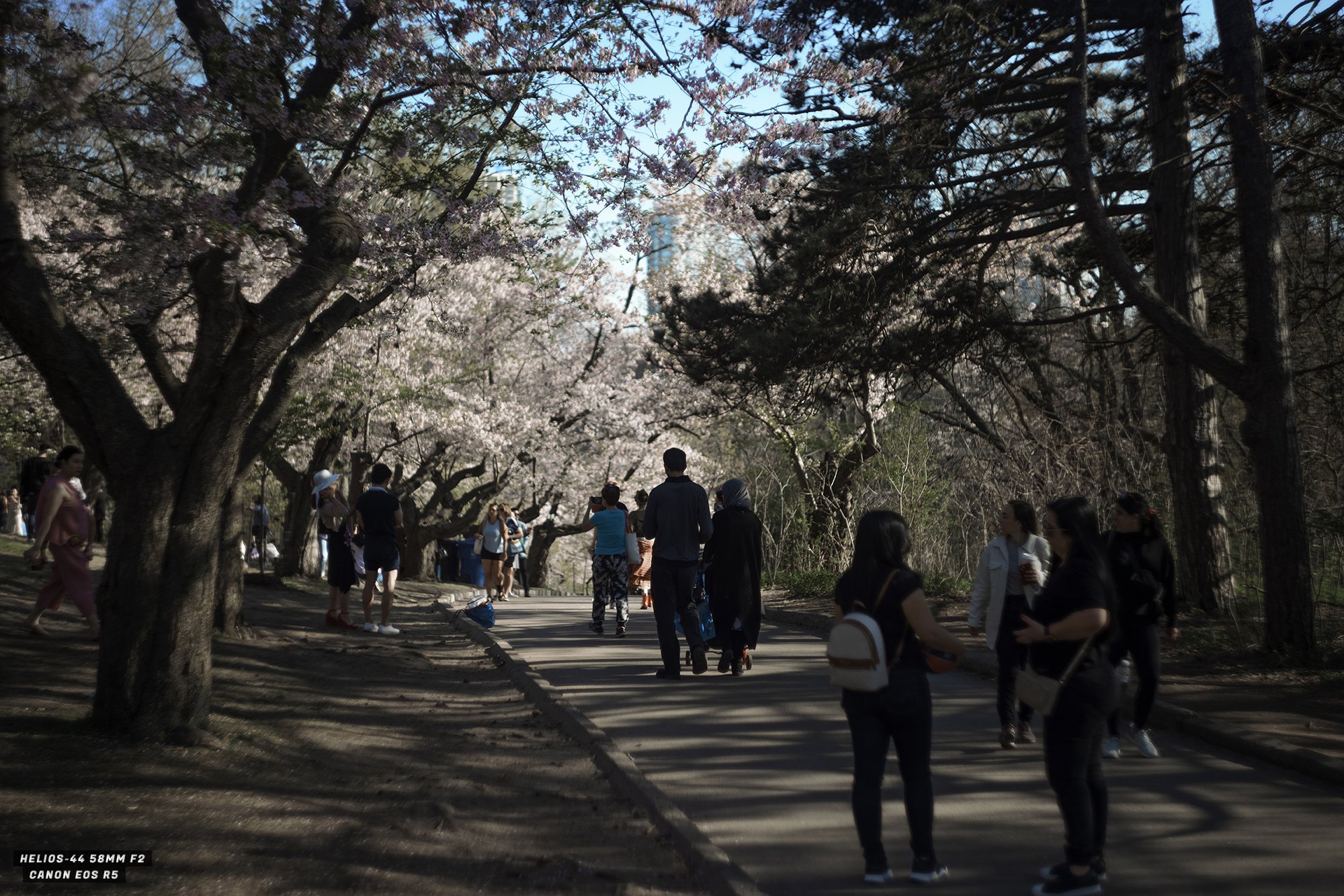







Contrast, Color, and Vintage Feel
Compared to modern lenses, the Helios-44 has a lower native contrast and a slightly warmer, nostalgic feel straight out of camera. This means colors might appear a bit muted or soft, and highlights are gentle rather than punchy, which many photographers interpret as a “film-like” aesthetic. Some vintage lens shooters embrace this as part of the character, others tweak contrast in post to tighten the look while keeping the swirl and warmth intact. Either way, the Helios-44 has a distinct personality that stands out from more clinical modern optics.
Flare, Aberrations & Quirks
Because this lens predates modern lens coatings and optical corrections and color film, there are a few things worth noting:
Chromatic Aberration: You can see color fringing in high-contrast areas, especially wide open at f/2 not a huge problem when shooting black and white but in color work becomes more evident.
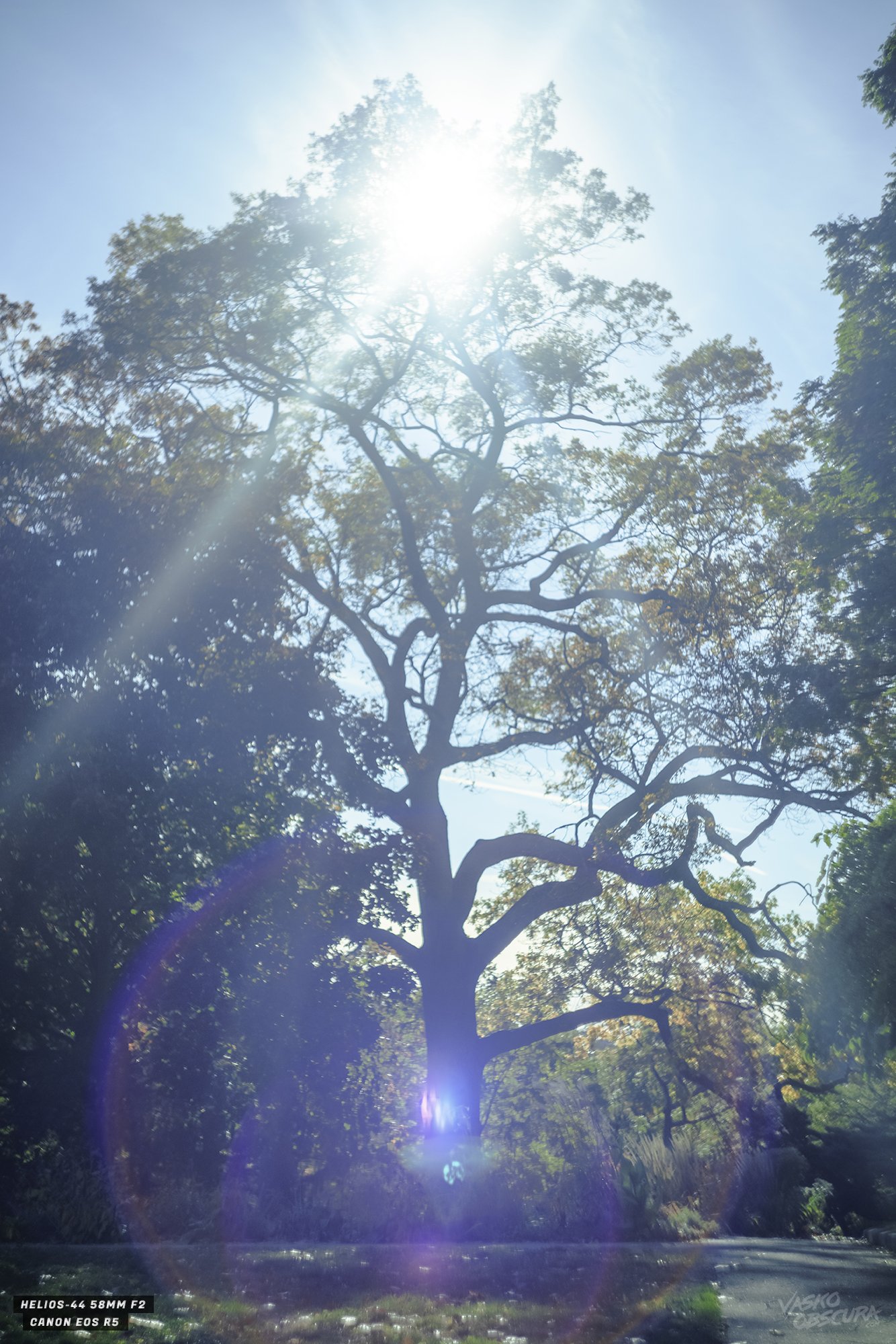
Flare: Shooting toward strong light sources can cause noticeable flare and a slight drop in contrast. Again the pink/blue flare wasn’t a big problem when shooting in black and white but can be visually distracting or look amazing, depending how you want to see it, when shooting color.
Vignetting: There’s some corner darkening wide open, which gradually lessens as you stop down.
This lens is decently sharp in the middle of the frame but quickly falls off towards blurry edges making it almost unusable for compositions where the subject is positioned closer to the edges of the frame.
These quirks are not flaws so much as part of the vintage character of the Helios-44, and once you understand how it behaves, you can use these traits creatively.
How It Feels in Real Shooting
In practice, I find this lens truly shines when:
Shooting portraits with distant backgrounds
Embracing the swirl on textured scenes (trees, street lights, foliage)
Letting mid-frame sharpness lead the composition
Creating moody, artistic shots that lean into its vintage aesthetic
It’s not about clinical sharpness edge-to-edge, it’s about expression and style. That said, if you want more traditional optical results (sharp across the frame from corner to corner), other lenses might suit you better, but they won’t give you this look. For a sharp vintage 50mm with an amazing bokeh check out the: Pentax Super Multi Coated 50mm f1.2
Final Thoughts on Optical Performance
The Helios-44 58mm f/2 is more than just a vintage lens, it’s a creative tool. Its quirks, especially the swirly bokeh and center-weighted sharpness, aren’t imperfections so much as visual signatures that have helped this lens remain popular decades after production ended. If you’re considering adding one to your kit, be ready to embrace its character and experiment with how composition, focus distance, and background textures can influence the swirl and feel of your photos.
🤓 Read Next:
Helios-44 58mm f/2 (Silver), Vintage Portrait Lens with a Unique Legacy
How to Mount Vintage M39 Lenses to Mirrorless Cameras