
Osawa MC 28mm f/2.8 - Sample Images & Optical Performance

Osawa MC 28mm f/2.8
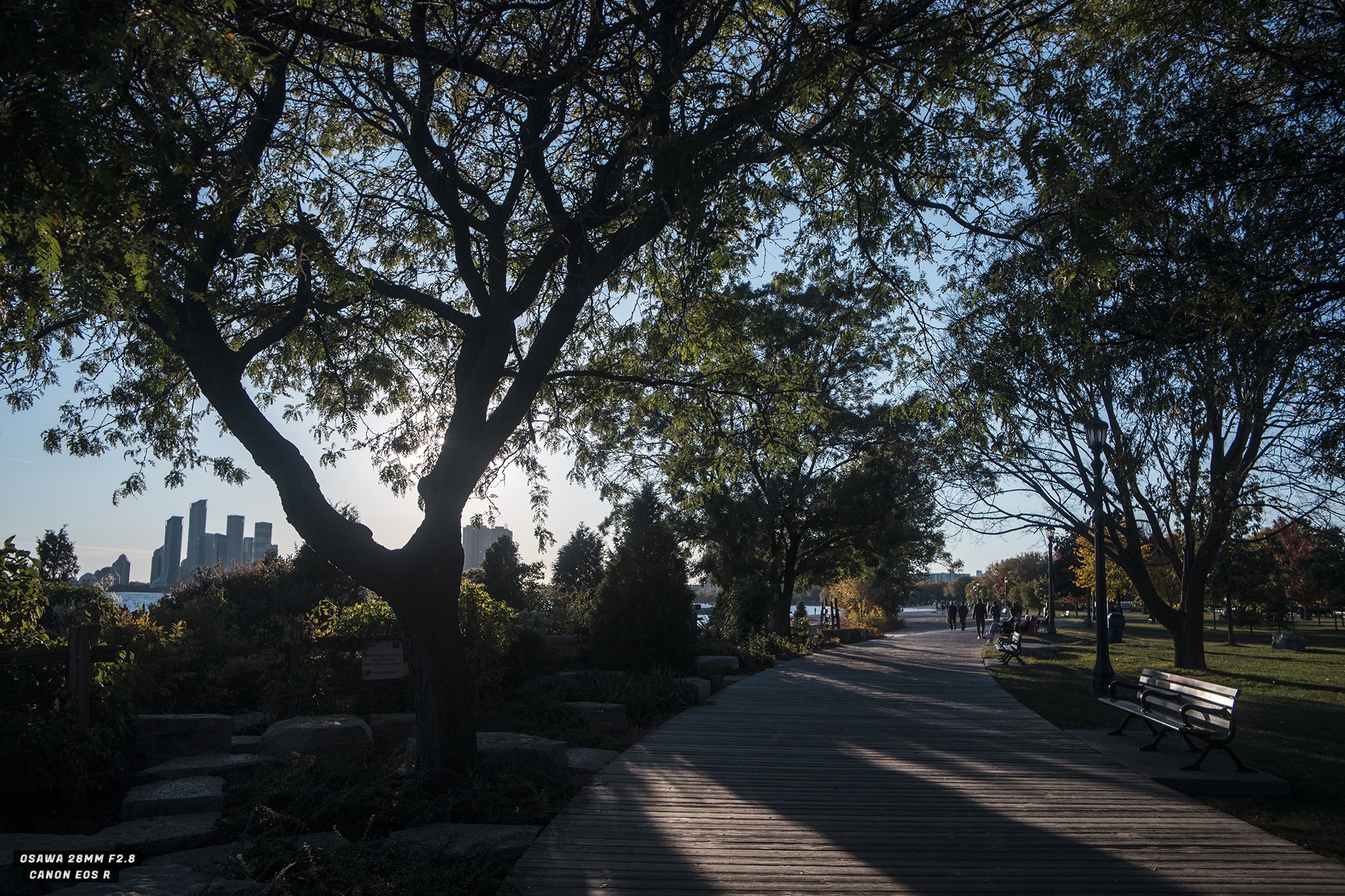
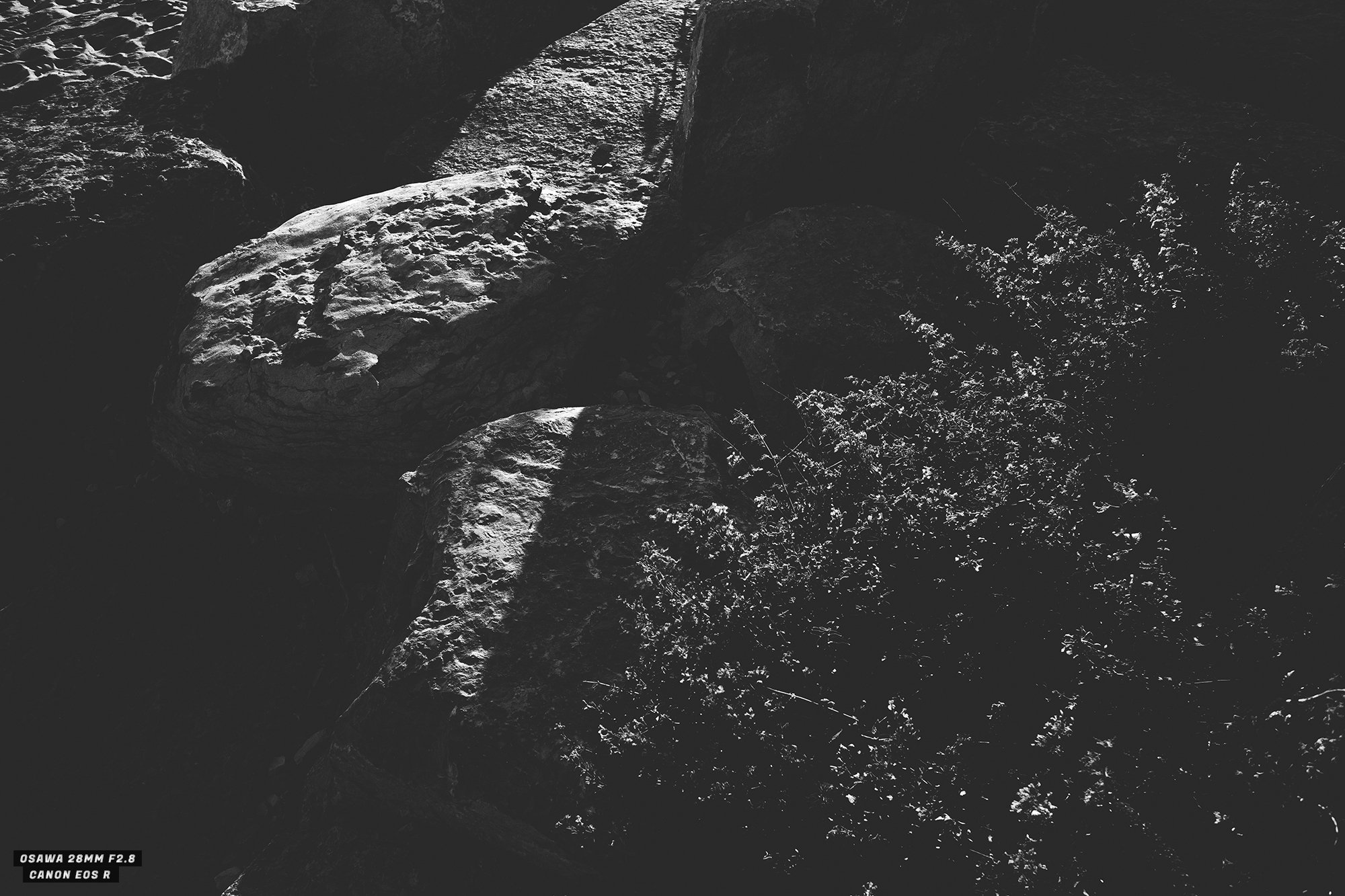
This little lens shoots beautiful images. It’s actually one of my favorite vintage lenses. I don’t know how to explain it but there is some sort of 3D pop that happens with this lens that creates an interesting visual experience. After spending some time shooting with the Osawa MC 28mm f/2.8, I’ve been pleasantly surprised by its performance, especially considering it’s a budget-friendly third-party lens. For a compact, vintage wide-angle, it punches above its weight in terms of image quality and versatility.
Sharpness and Clarity
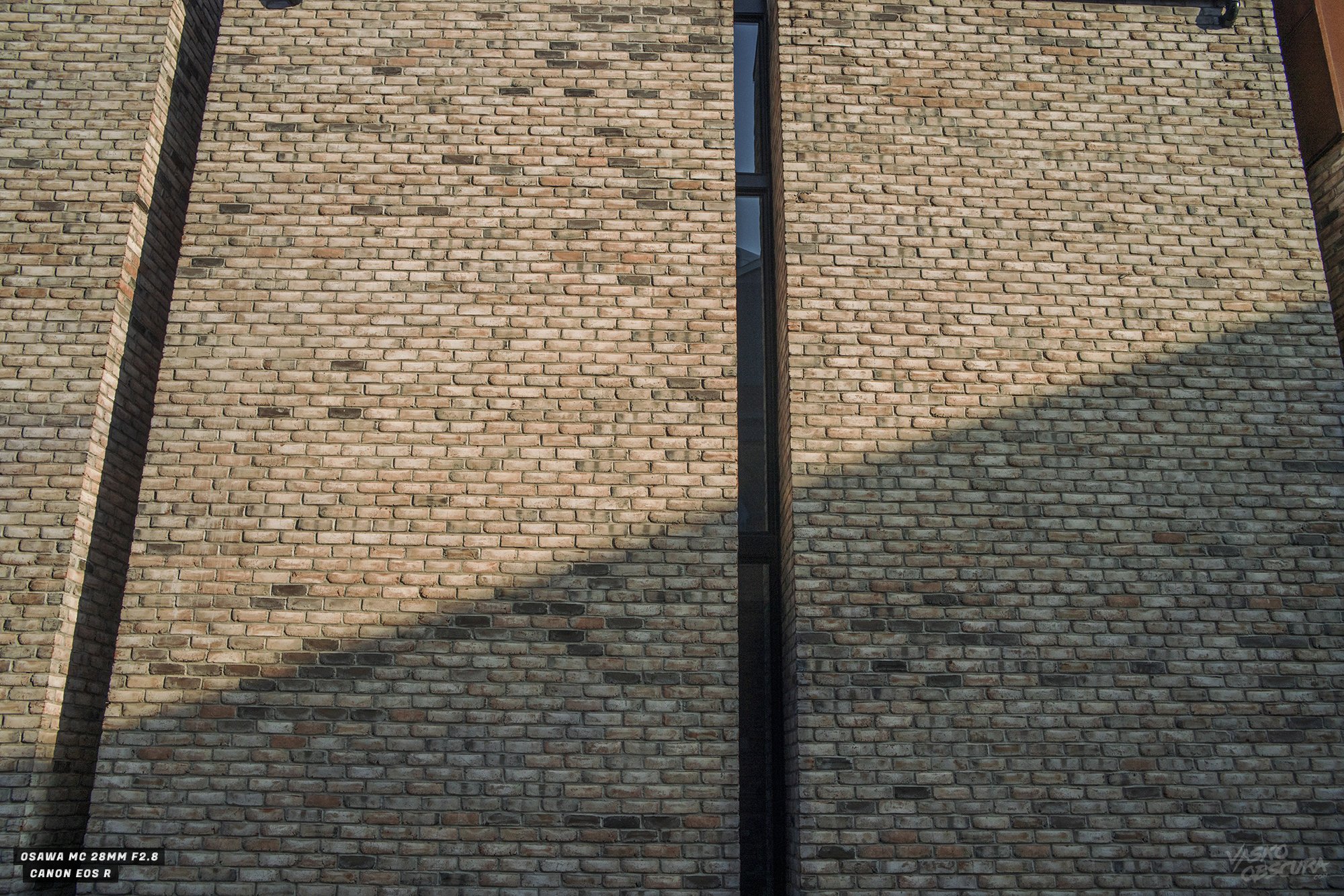
One of the first things I noticed when reviewing my shots was the sharpness in the center of the frame. Stopped down just a little from f/2.8 to around f/4, the lens delivers crisp details, whether I’m photographing architecture, streets, or landscapes. The edges are a bit softer wide open, which is typical for lenses of this era, but it adds a subtle character that can enhance certain compositions rather than detract from them.
Contrast and Color
The multi-coating on this lens does a good job of maintaining contrast and keeping colors rich, even in brighter lighting conditions. Flare is reasonably controlled, and highlights stay well-behaved without washing out the scene. Overall, the lens produces clean, punchy images that don’t feel flat.
Sample Photos







“3D Pop” and Rendering
What I truly enjoy about this lens is its 3D pop. Even with wide-angle compositions, there’s a sense of depth that makes subjects stand out from their backgrounds. It’s subtle but noticeable, and it gives images a lifelike quality that I haven’t always seen in other budget vintage lenses. This characteristic makes it particularly fun for street and environmental photography.
Low-Light Performance
While f/2.8 isn’t extremely fast compared to modern lenses, it’s more than adequate for moderate low-light situations. I’ve been able to capture clean handheld shots in evening light, and the lens gives a slight softness in the bokeh that feels natural and unobtrusive.
Bokeh and Depth of Field
The 6-blade aperture produces a geometric, slightly polygonal bokeh at smaller apertures, but wide open at f/2.8, the background blur is pleasing and smooth enough to isolate subjects. While it doesn’t have the dreamy swirls of some vintage lenses, it creates a clean separation that works well for portraits, street subjects, or any scenario where you want your main subject to stand out.
Character and Use
This lens isn’t flashy, it won’t wow you with quirks, but it has a quiet charm that’s easy to fall in love with. The images feel lifelike, sharp in the right places, and slightly nostalgic without being soft or washed out. On modern mirrorless cameras with an adapter, it behaves just as reliably as it did on vintage film bodies, which makes it a great option for anyone looking to explore manual lenses without breaking the bank.
Is the Osawa 28mm f2.8 a Good Starter Lens?
YES! This lens is a absolutely a great starter lens for anybody looking to get into vintage lens photography and videography. Its budget friendly and renders beautiful images. It’s also pretty straight forward and easy to use not like the Helios-40 which has a decent learning curve. Overall if you’re thinking of getting into vintage lens photography my first recommendation would be a 50mm but after that this Osawa 28mm would be a fantastic pick-up.
Final Thoughts
Overall, the Osawa MC 28mm f/2.8 is a surprisingly capable vintage wide-angle lens. It combines compact design, solid build quality, and a subtle, lifelike rendering that makes shooting with it a joy. If you’re exploring vintage lenses for landscapes, street photography, or general wide-angle work, this lens offers a lot of value for the price, along with that classic manual-focus experience.
🤓 Read Next:
Osawa MC 28mm f/2.8 - Vintage Wide-Angle Lens Overview
How to Set Up Your Camera to Shoot With Vintage + Manual Lenses