

Asahi Auto Takumar 35mm f/2.3
Today, a special package arrived at my door! the Asahi Auto Takumar 35mm f/2.3. Curiosity led me down a YouTube rabbit hole, and after seeing what this lens could do, I knew I had to add it to my collection of vintage glass. The Auto Takumar 35mm f/2.3 had a relatively short production run, just four years, from 1959 to 1962. What was once regarded as design flaws in the past are now embraced as charming vintage qualities in 2023. Vintage lenses come in all varieties, each with its own allure. Some, like the highly sought-after Leica 90mm f2, astound with their razor-sharp clarity, rivaling even modern lenses. On the other hand, lenses like the Helios-44 possess delightful imperfections that contribute to their unique character. For me, the Asahi Auto Takumar 35mm f/2.3 falls into this category, producing the nostalgic charm that gets me so excited about vintage lens photography. This review will focus on the physical attributes of this lens. For a more optical performance focused review check out this post next.
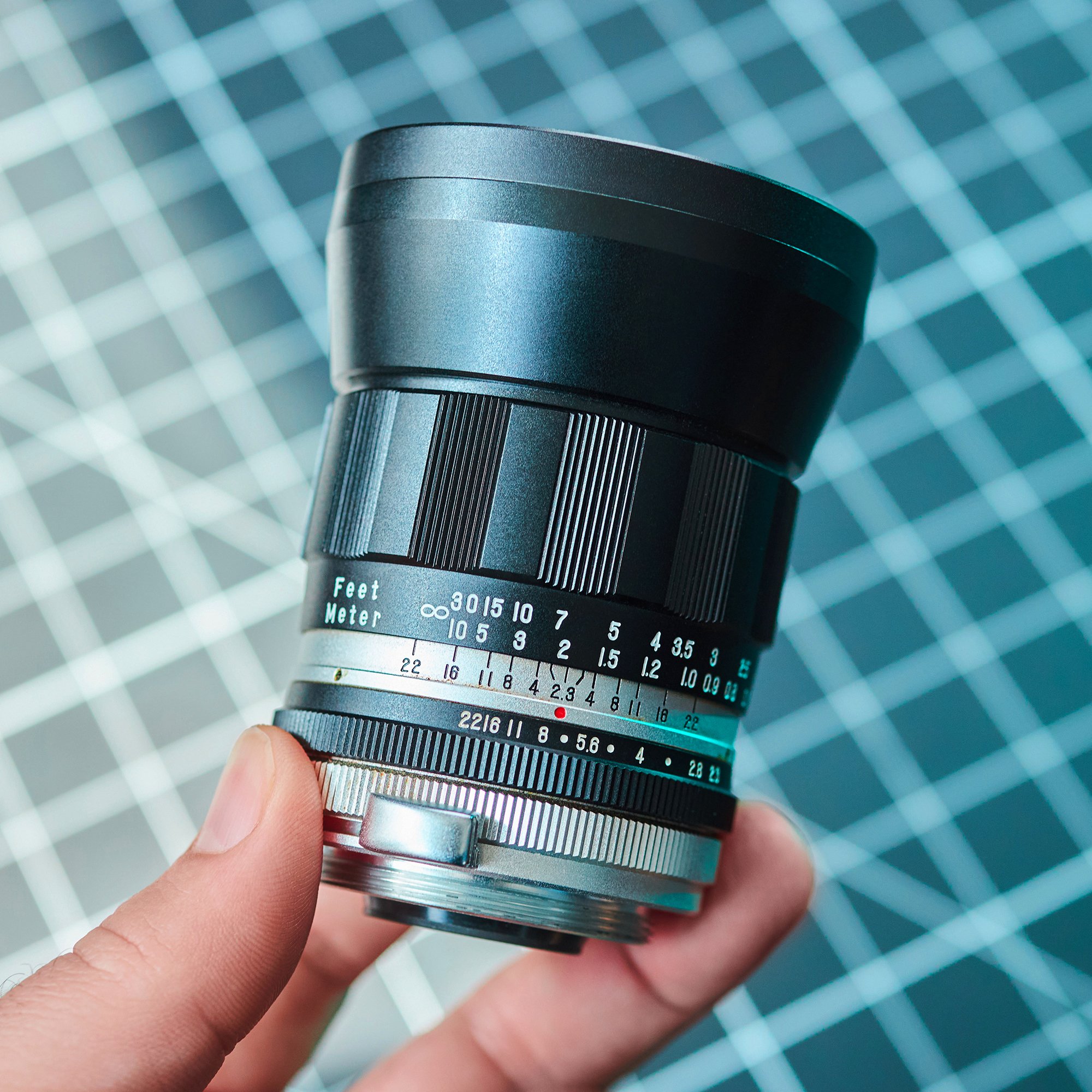
LENS SPECS
Release Date: 1959
Format: 35mm
Mount: M42
Filter: 62mm
Aperture Blades: 10
Aperture Range: 2.3 - 22
Min Focus Distance: 0.45m
Weight 310g
Optical Design: 6 elements in 5 groups
Weather Sealing: No
Lens IS.: No
APS-C Conversion Approx.: 56mm
A Brief History of the Auto Takumar 35mm f/2.3
The Auto Takumar line was developed by Asahi Optical Co., the company that would later become Pentax. These lenses were designed for early M42 screw-mount SLR systems, predating the more refined Super-Takumar lineup. The 35mm f/2.3 is one of the more obscure entries in the Takumar family. Produced during a transitional period in lens design, it reflects a time when manufacturers were still experimenting with wide-angle optical formulas. Its short production run hints at the fact that it was quickly replaced by improved designs, but that also makes it a bit of a hidden gem item today. Personally I love deiscovering lenses with old optical designs. The image character is usually something special.
Build Quality & Physical Design
The first thing I noticed when I picked up the Auto Takumar 35mm f/2.3 is just how solid it feels. This is classic late-50s Japanese engineering, dense, all-metal construction with zero compromises. The focus ring is beautifully damped, with that signature buttery resistance that modern lenses often fail to replicate. The knurled metal grip gives excellent tactile feedback, and even after decades, many copies still feel remarkably smooth. The aperture ring clicks into place with satisfying precision. It’s not overly stiff, but it’s deliberate, exactly what you want when shooting manually. The engraved markings are deeply etched and filled with paint, making them easy to read even in lower light. It’s a compact lens, but not tiny. There’s a reassuring weight to it that makes it feel purposeful without being cumbersome.
Mount & Compatibility
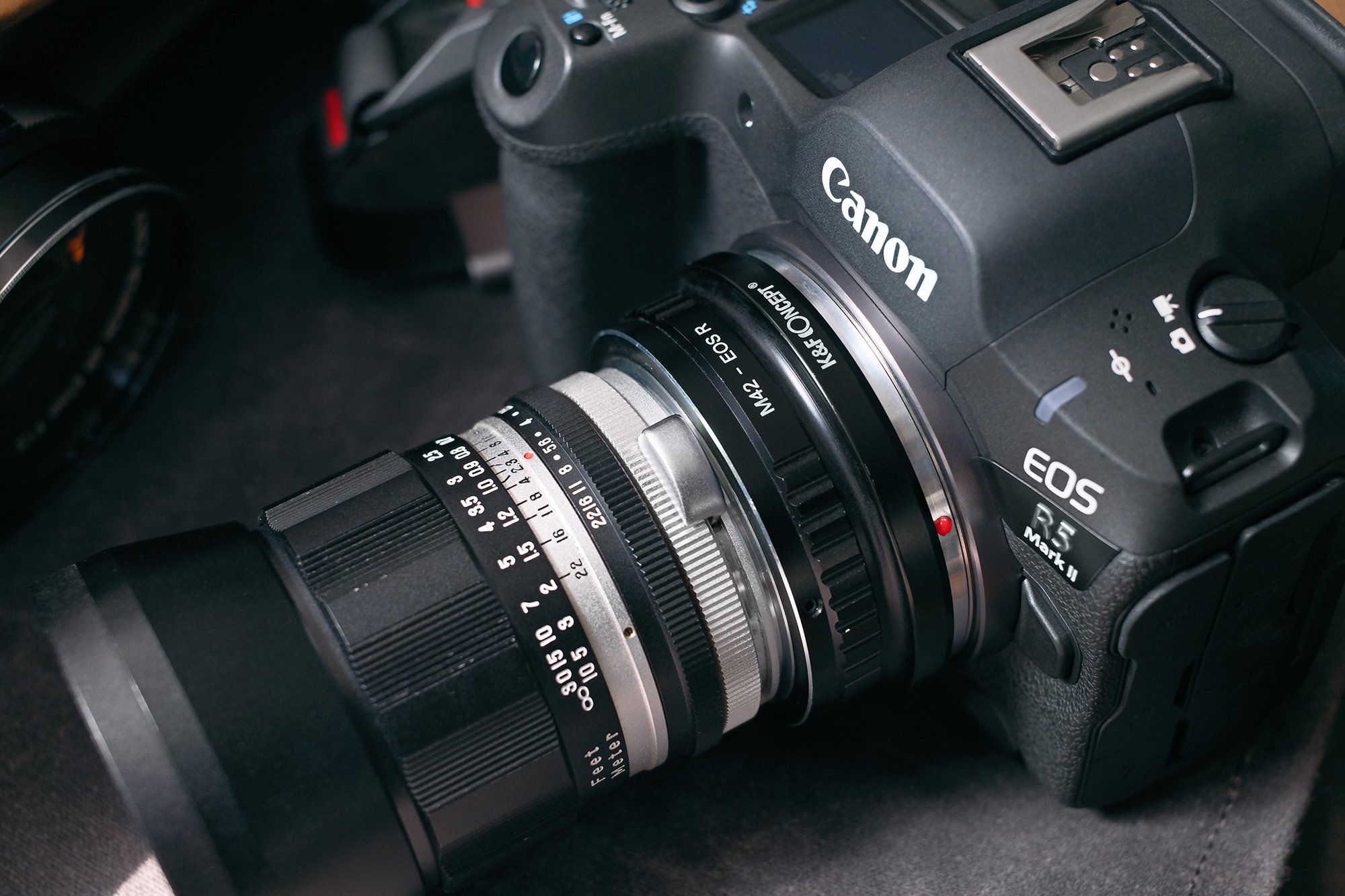
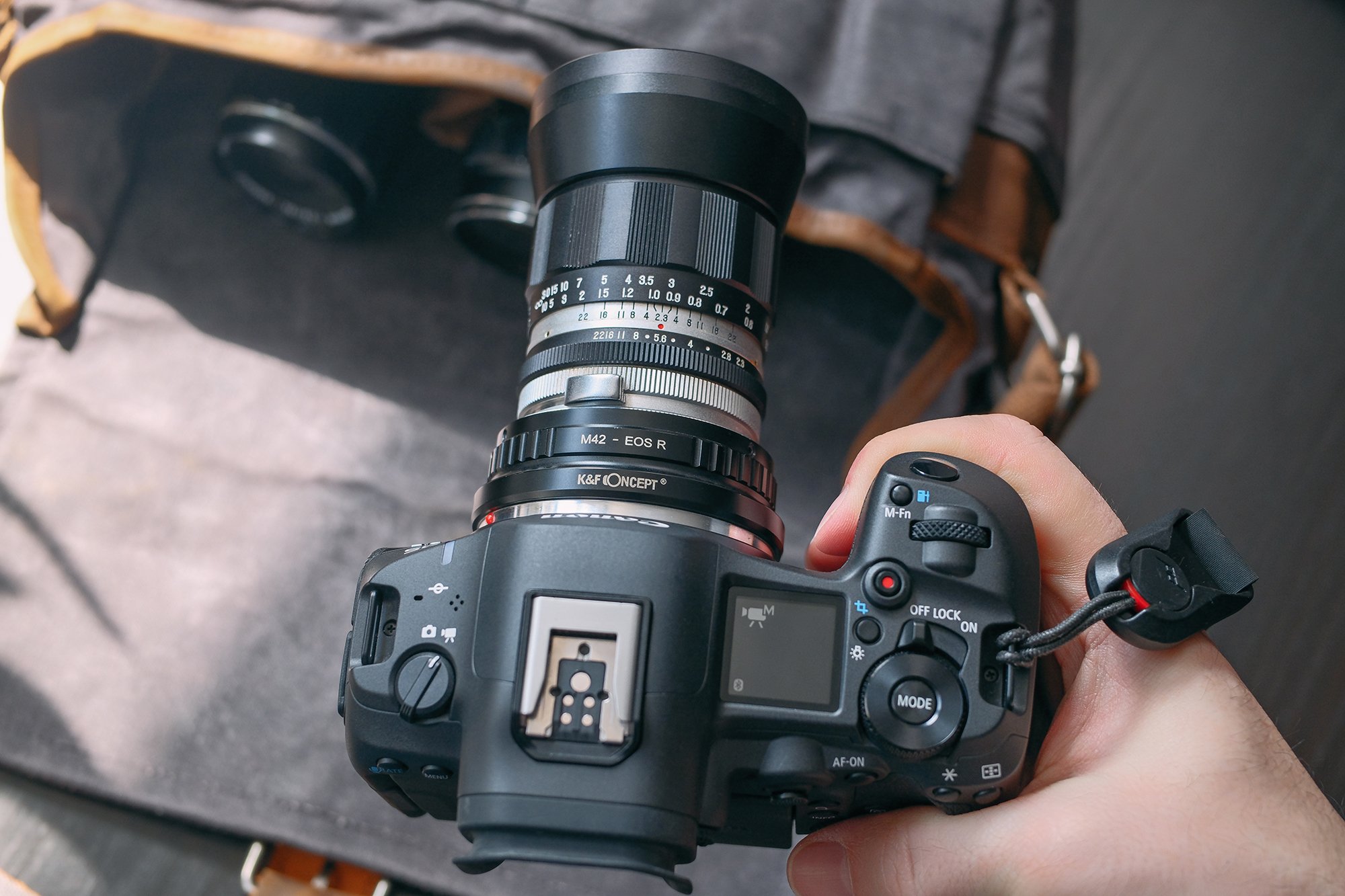
Asahi Auto Takumar 35mm f/2.3 mounted on the Canon EOS R5 Mark II
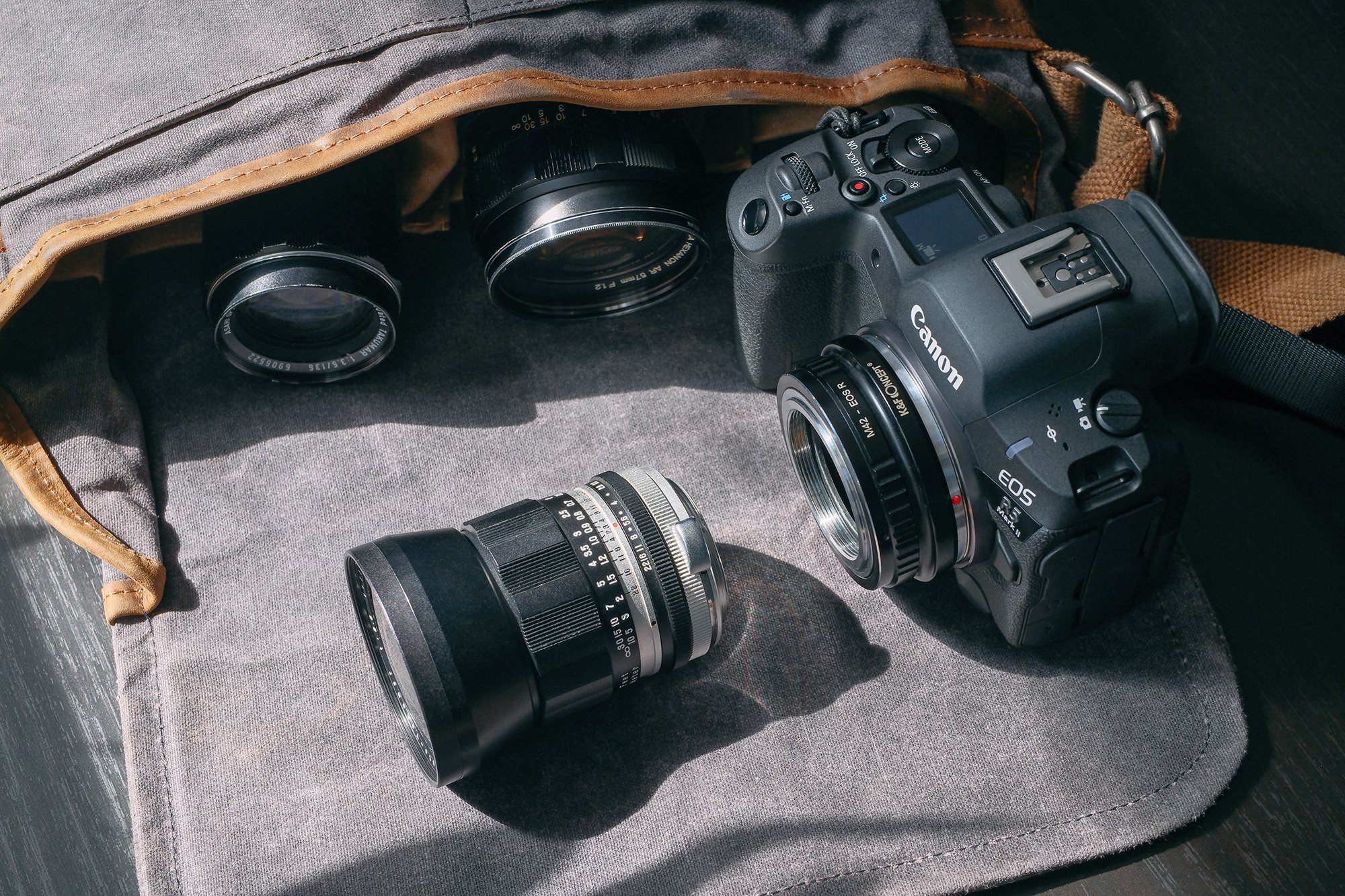
The lens uses the classic M42 screw mount, one of the most adaptable mounts ever created. This makes it incredibly easy to use on modern mirrorless systems. If you want to learn more about the m42 mount check out this post. With a simple adapter, I’ve been able to mount it on everything from Sony E-mount to Canon RF bodies. The fully manual design means there’s no electronic communication, but that’s part of the charm. You’re fully in control, focus, aperture, everything. For anyone building a vintage lens kit, M42 lenses like this are a no-brainer because of their versatility and accessibility.
Gear SHots





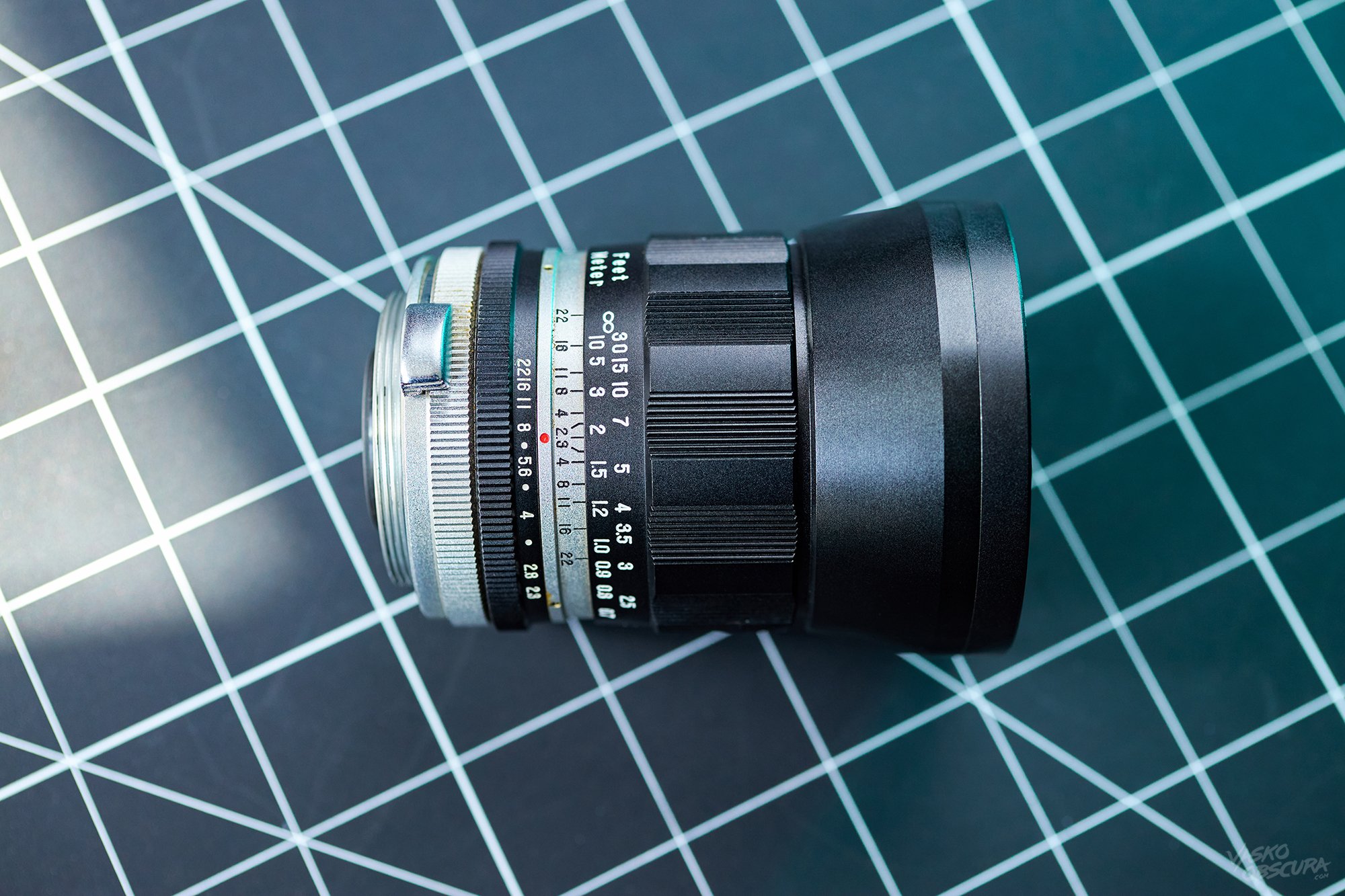
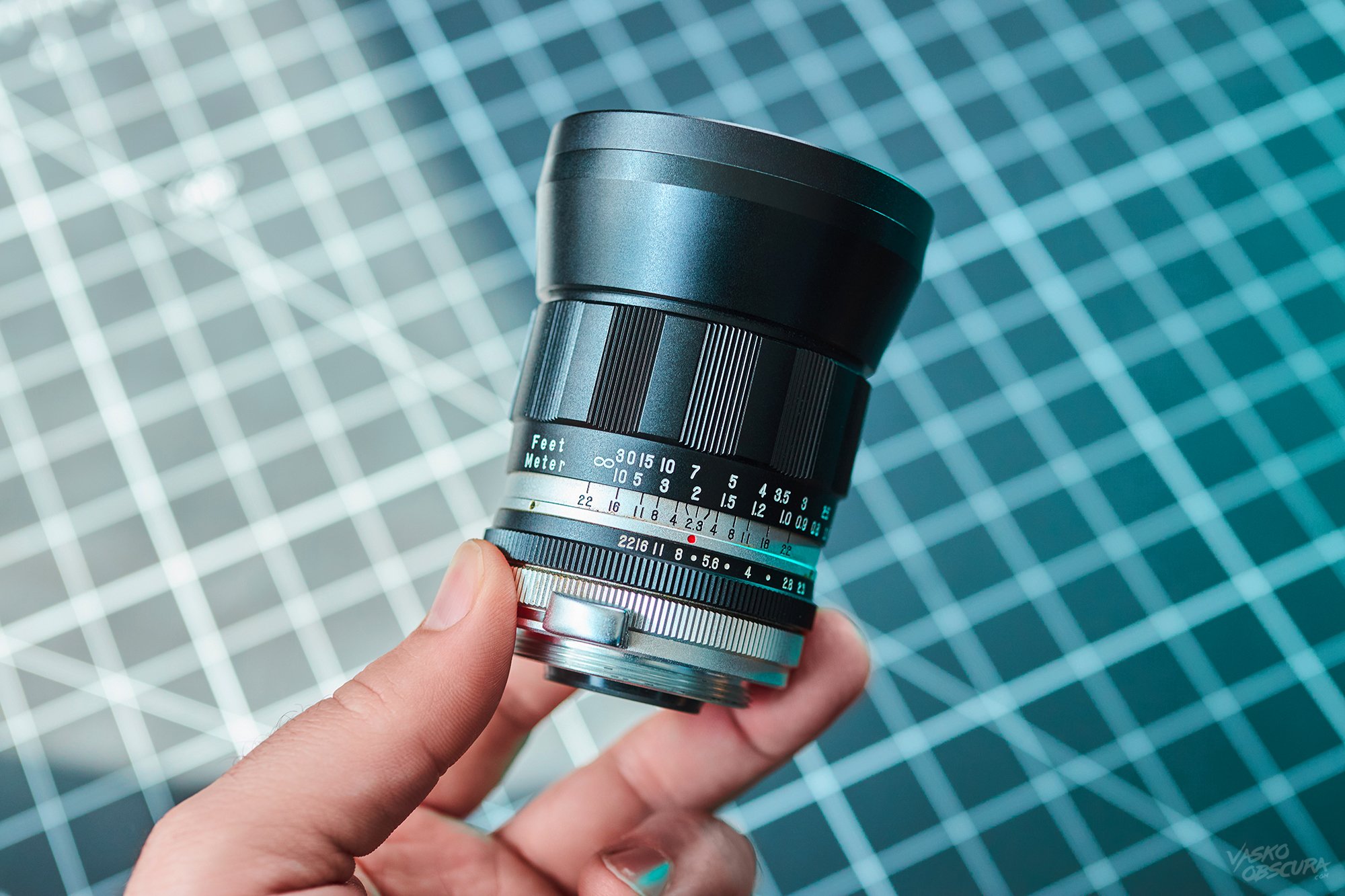


Optical Design & Coatings
Auto Takumar 35mm f/2.3 shot wide open showing blur at the image edges.
From an optical standpoint, this lens is a product of its time. It features a relatively simple wide-angle design compared to modern standards, which is part of what gives it its character. Coatings are minimal, this predates the advanced multi-coating technologies introduced in later Super-Takumar lenses. As a result, flare resistance isn’t its strong suit. But instead of seeing that as a weakness, I’ve come to appreciate it as a creative tool. Shoot into the light, and you’ll get beautiful, unpredictable flaring and contrast shifts that add mood to an image. Sharpness is not the primary goal here, rendering is. There’s a softness wide open that gradually tightens up as you stop down, but even at its sharpest, it never feels clinical.
Handling & User Experience
Using the Auto Takumar 35mm f/2.3 feels like stepping back in time in the best possible way. There’s a deliberate pace to shooting with this lens. You slow down, think about your composition, dial in your focus carefully. It’s a completely different experience compared to modern autofocus lenses. The focus throw is long and precise, making it ideal for fine adjustments. Combined with focus peaking on modern mirrorless cameras, it becomes surprisingly easy to nail focus. What really stands out to me is the rendering. It’s imperfect, but in a way that feels intentional. There’s a subtle glow, a softness, and a tonal quality that’s hard to replicate digitally.
Final Thoughts
I’m super happy I picked up this lens. It’s slowly becoming one of my favorites. The Asahi Auto Takumar 35mm f/2.3 isn’t a lens for everyone and that’s exactly why I love it. It’s not about technical perfection. It’s about character, and imperfection. Its quirks are its strengths, and if you embrace them, it can produce images that feel truly unique. If you’re looking for a lens that is clinically “good” this might not be the right lens for you. For anyone exploring vintage lenses, especially those interested in M42 glass, this is a fascinating piece of optical history worth considering.
FAQ
Is the Auto Takumar 35mm f/2.3 rare?
Yes, relatively. Its short production run (1959 - 1962) makes it less common than other Takumar lenses.
Is it a good lens for modern cameras?
Absolutely. With an M42 adapter, it works well on most mirrorless systems.
Does it have modern coatings?
No. It uses early single-coating technology, which means more flare but also more character.
Is it sharp?
It can be reasonably sharp stopped down, but sharpness isn’t its main appeal.
Who should buy this lens?
Photographers who appreciate vintage rendering, manual control, and unique image character.