
Carl Zeiss Jena 20mm f/2.8 Flektogon MC Mini Review - Build, Design & Handling
Carl Zeiss Jena 20mm f/2.8 Flektogon MC Mini Review
The Carl Zeiss Jena 20mm f/2.8 Flektogon MC is one of those lenses that instantly stands out, not just for its reputation, but for how it feels in the hand. Originally developed in East Germany during the Cold War era, this lens represents a fascinating blend of precision engineering, practical design, and old-world craftsmanship. While many people talk about its optical performance, what really drew me to this lens initially was its physical presence and the way it handles in real-world use.
The Flektogon line was designed as part of Carl Zeiss Jena’s effort to produce high-quality lenses for Pentacon and Praktica cameras, and the 20mm f/2.8 version, introduced in the late 1970s, was one of the most advanced wide-angle lenses available at the time. Despite being produced behind the Iron Curtain, it quickly gained international recognition, and today it continues to be highly sought after by photographers and filmmakers who appreciate vintage glass with both character and substance. This mini review is going to focus in the physical attributes of this lens. If you’re looking for a more hands on review of the image quality read this post next.
LENS SPECS
Release Date: 1977
Format: 35mm Full Frame
Mount: M42
Filter: 67mm
Aperture Blades: 6
Aperture Range: f/2.8 – f/22
Min Focus Distance: 0.19m
Weight 350g
Weather Sealing: No
Optical Design: 9 elements in 9 groups
APS-C Conversion Approx.: 32mm
Design & Build Quality
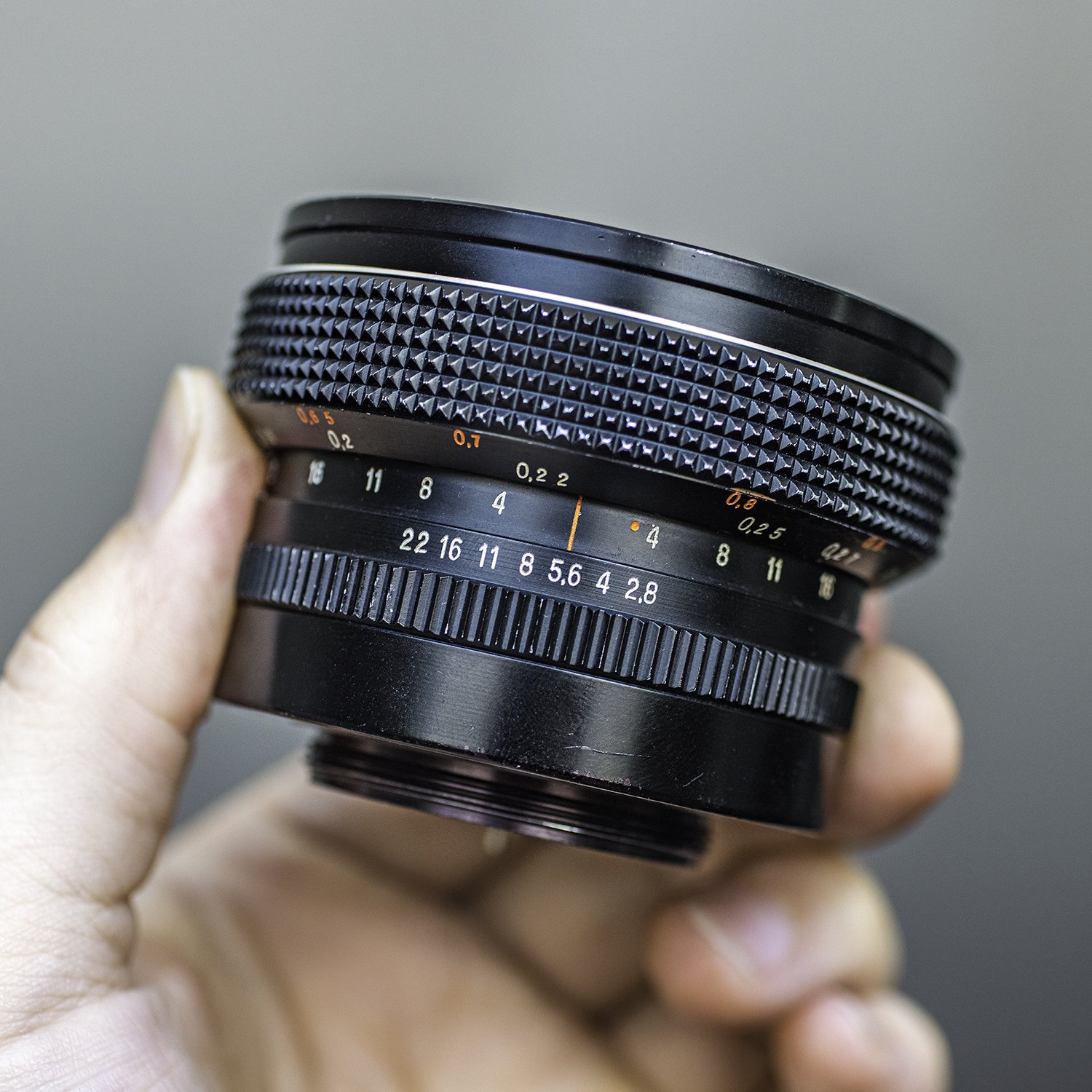
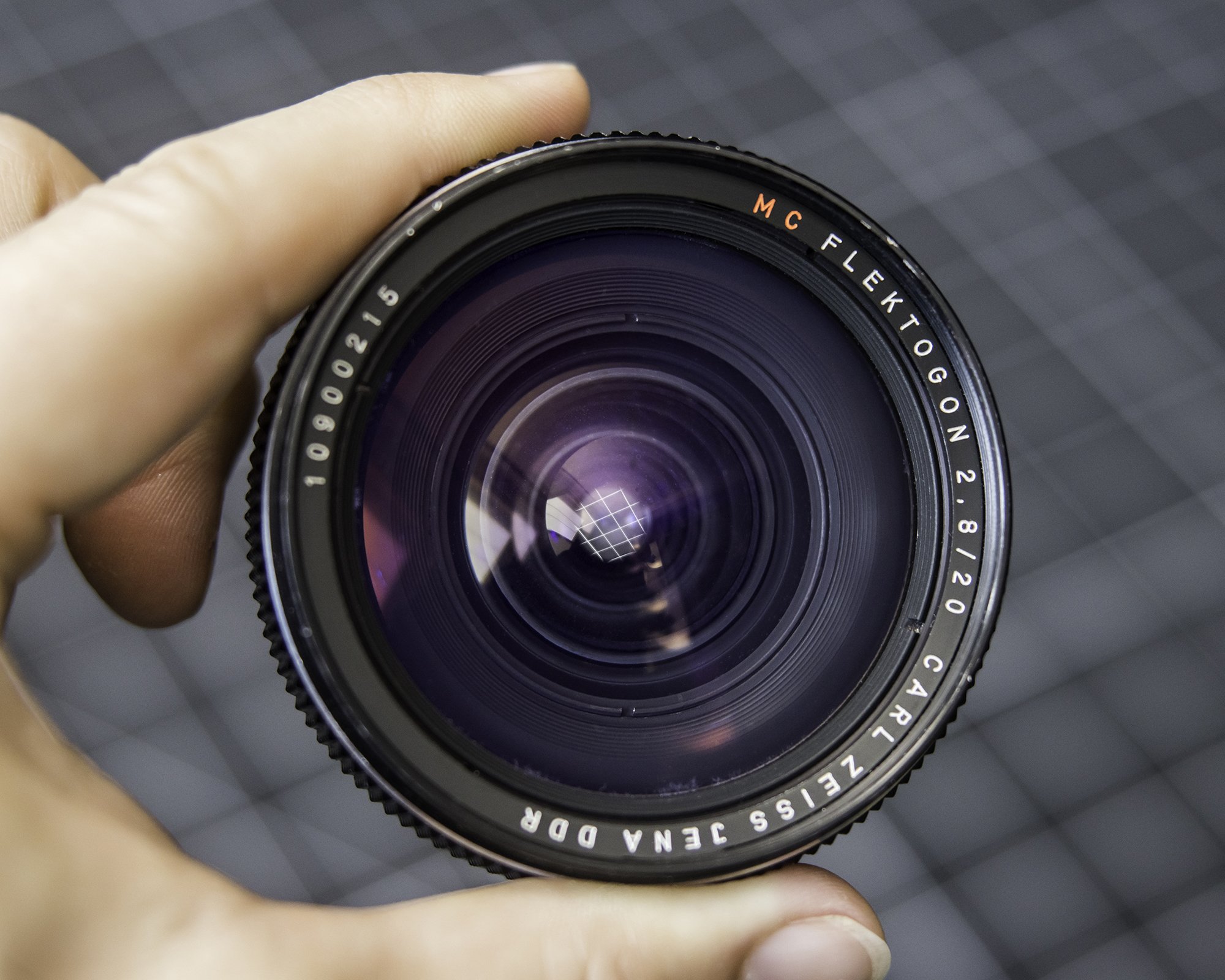
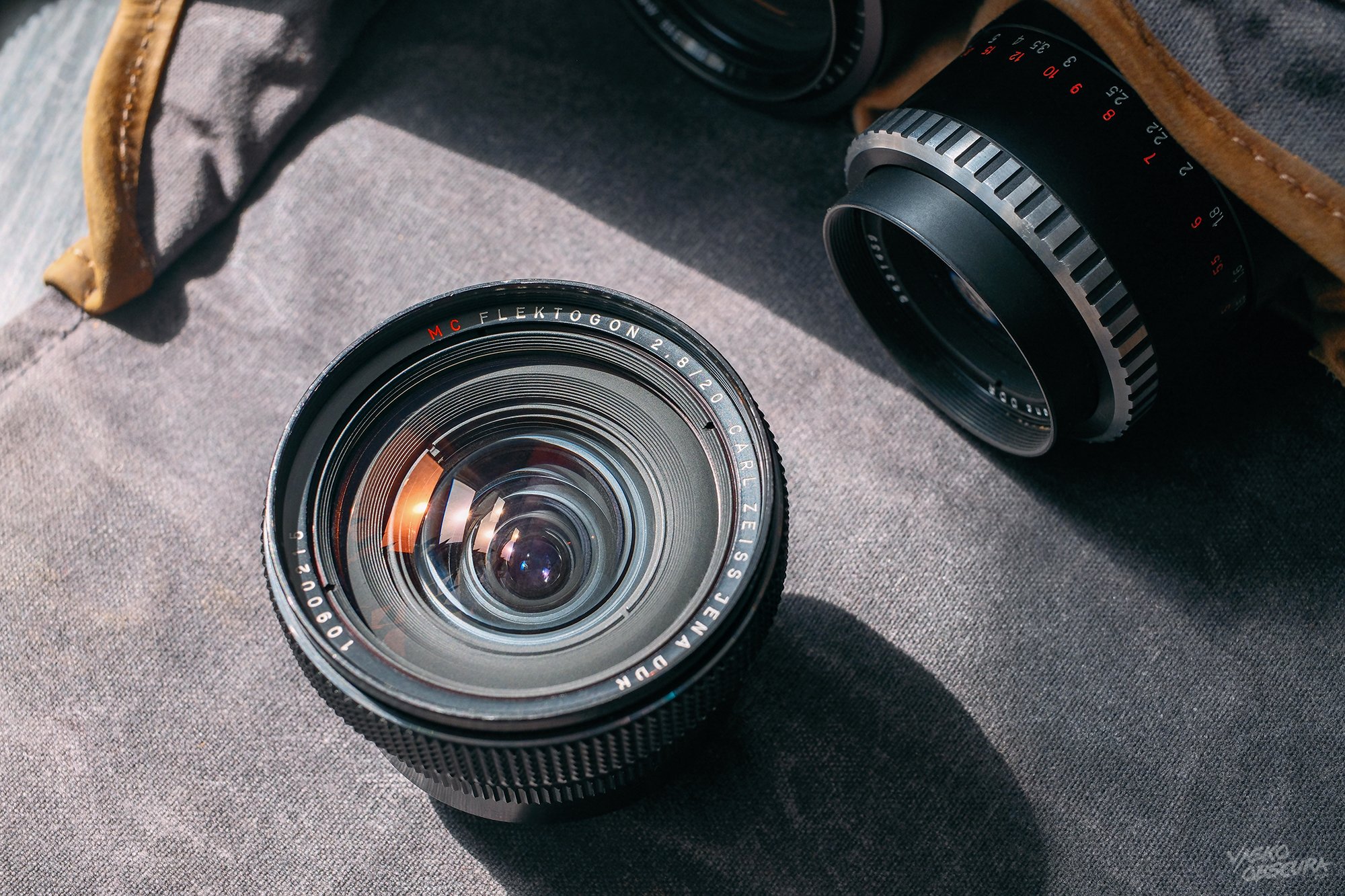
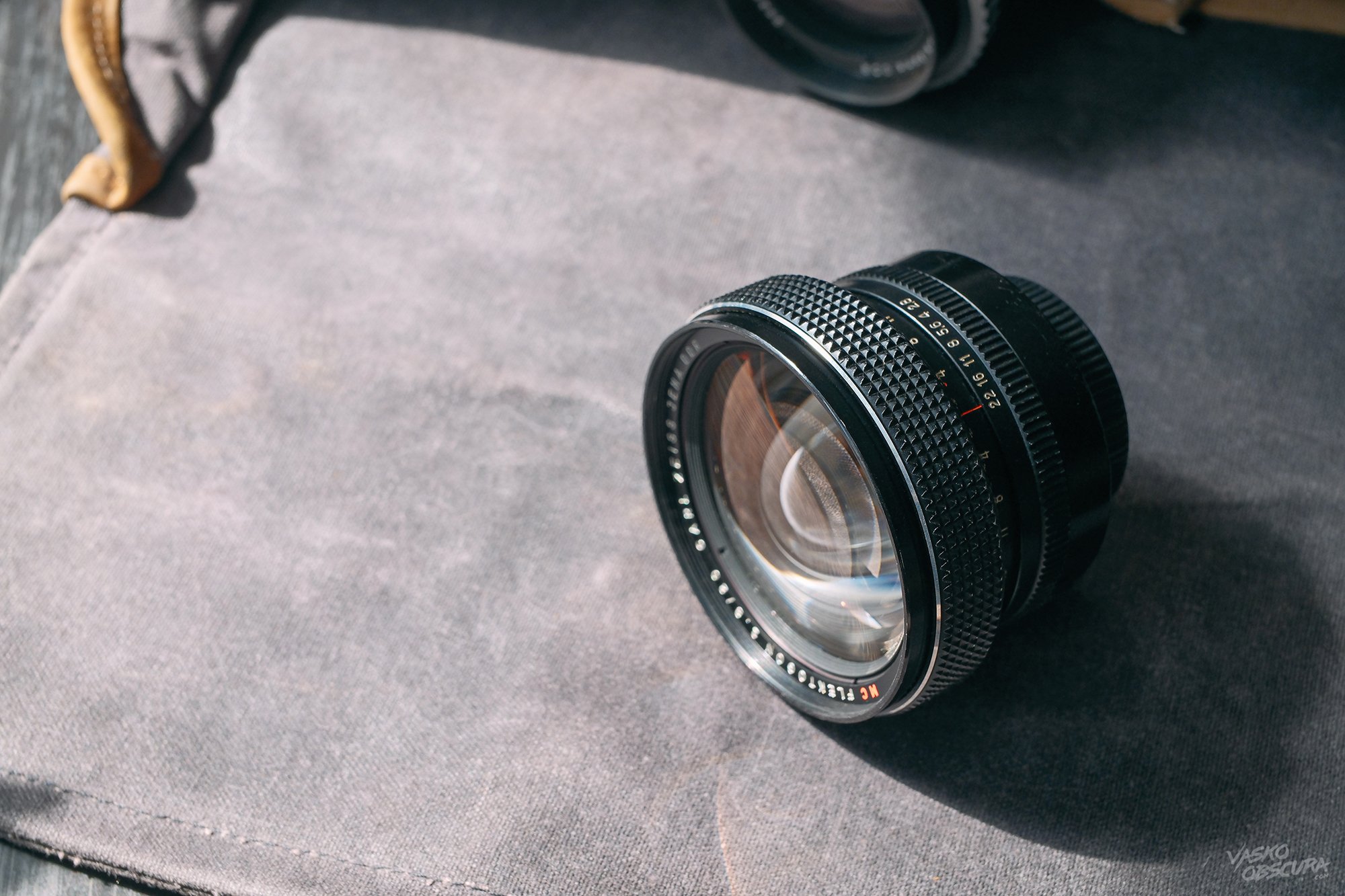
One of the first things you notice about the Flektogon 20mm f/2.8 is its solid, all-metal construction. This is classic vintage Zeiss Jena, dense, durable, and built to last decades. There’s a reassuring weight to it without feeling overly heavy, striking a nice balance between portability and substance. The machining is excellent, with tight tolerances and a finish that has held up incredibly well over time. Even compared to other vintage lenses, this one feels particularly refined. There’s a level of craftsmanship here that’s hard to find in modern lenses, especially in this size and weight class. Despite being a fully manual lens, nothing about it feels outdated. If anything, it feels more intentional. Every ring, every movement, every click has a purpose.
Price
Unfortunately I picked up this lens during the big vintage lens price surge and paid $600 for it. Now prices have come down again and you can find this lens for around $500. You can even find the older zebra version of this lens for $450. The Zebra version has a pronounced black and silver strip pattern on it’’s focus ring.
Focus Ring & Handling
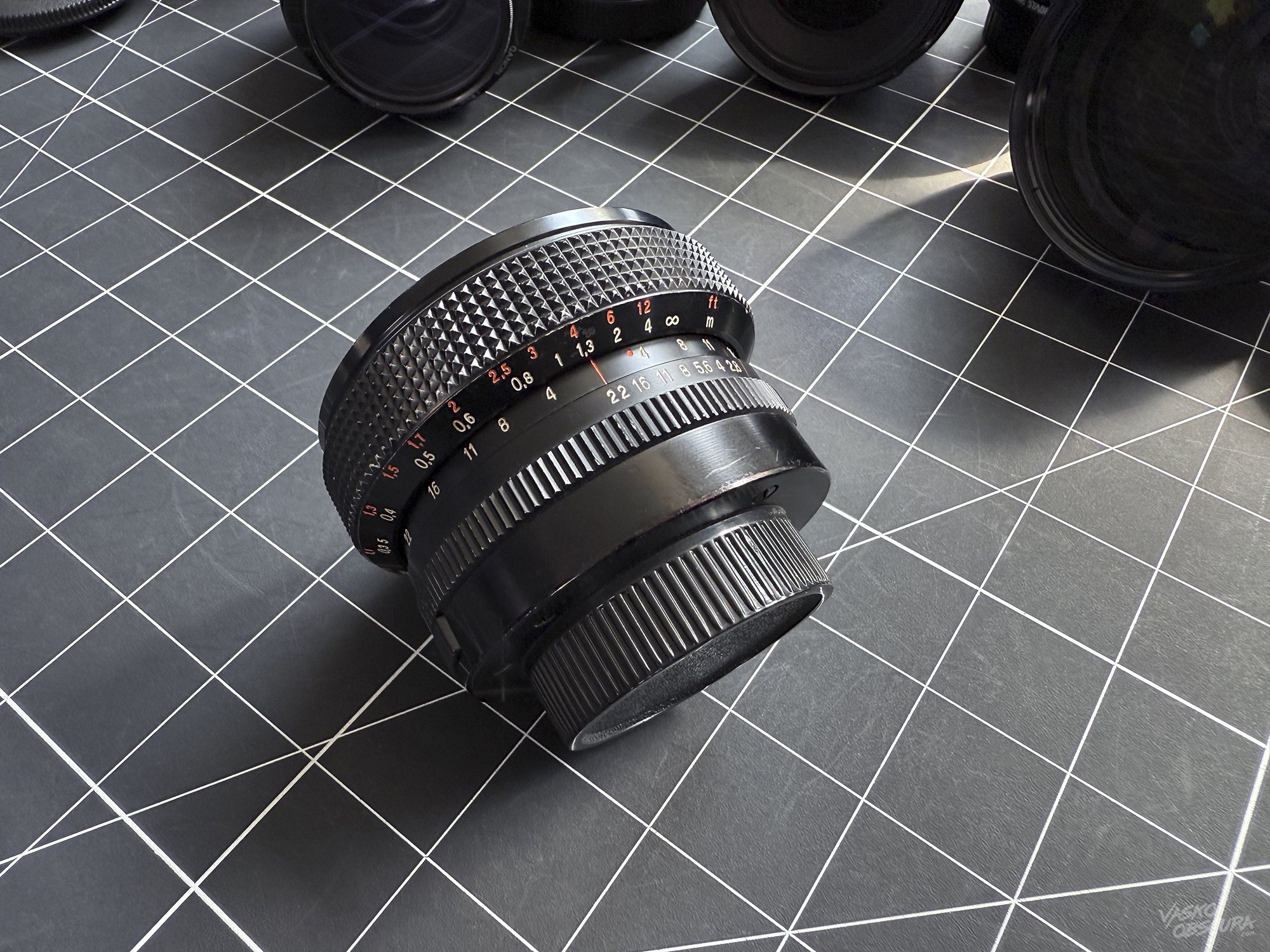
The focus ring is one of the standout features of this lens. It’s smooth, well dampened, and offers just the right amount of resistance for precise adjustments. The focus throw is long enough to allow for accurate manual focusing, which is especially useful for video work or controlled photography scenarios. Because this is a 20mm ultra-wide lens, focusing is naturally forgiving, but the tactile feedback you get from the lens makes the process enjoyable rather than just functional. It encourages a slower, more deliberate shooting style, which is something I really appreciate when working with vintage gear.
Aperture Ring & Controls
The aperture ring has a classic mechanical feel, with distinct and satisfying clicks at each stop. It’s easy to adjust without looking, and the spacing between stops feels well thought out. Like many M42 lenses, this version may include an auto/manual switch, depending on the specific copy, which allows you to control how the aperture behaves when mounted on different systems. Everything about the control layout is intuitive. There’s no guesswork, just simple, mechanical precision.
Gear Shots







Size, Form Factor & Ergonomics
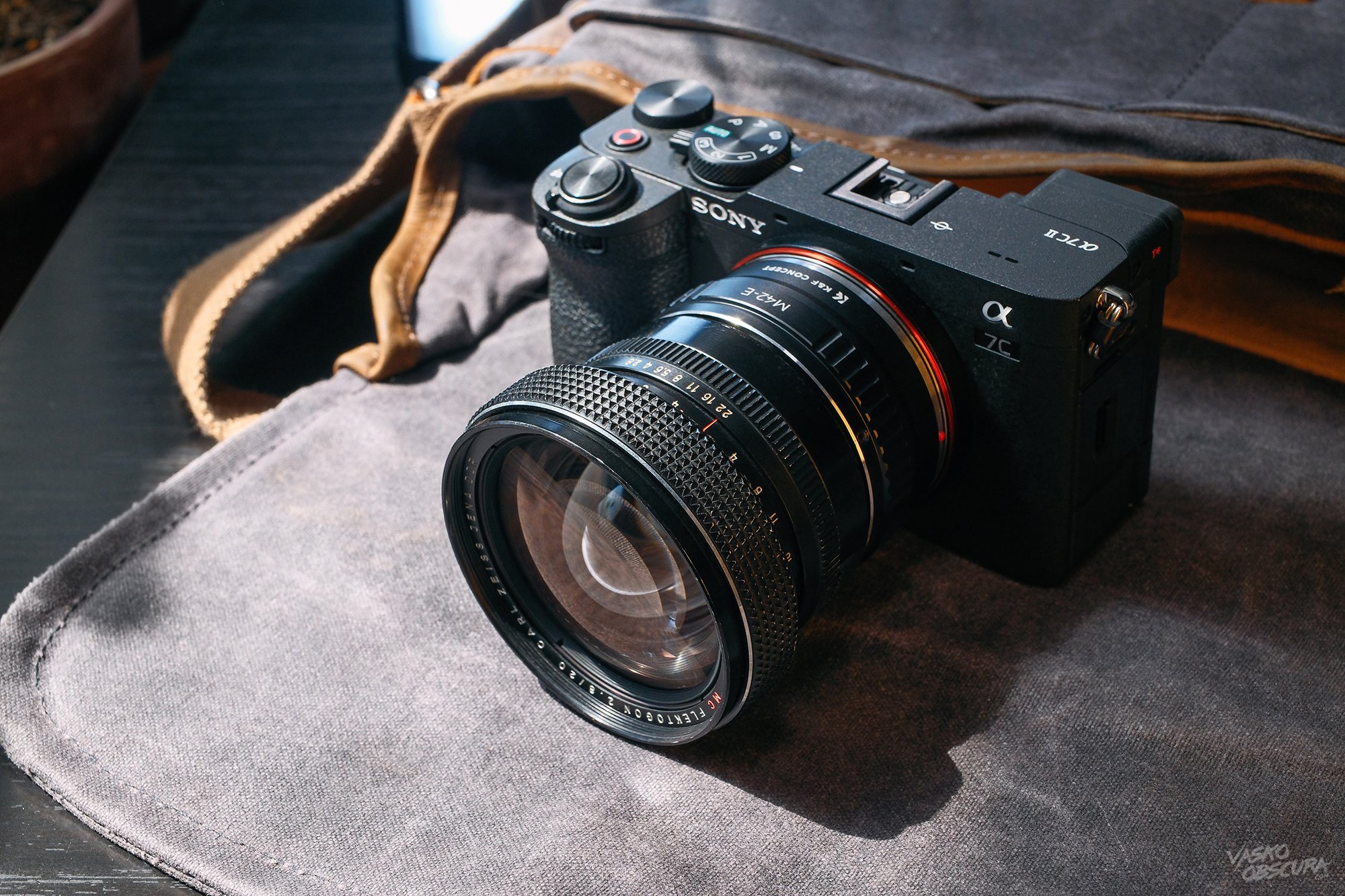
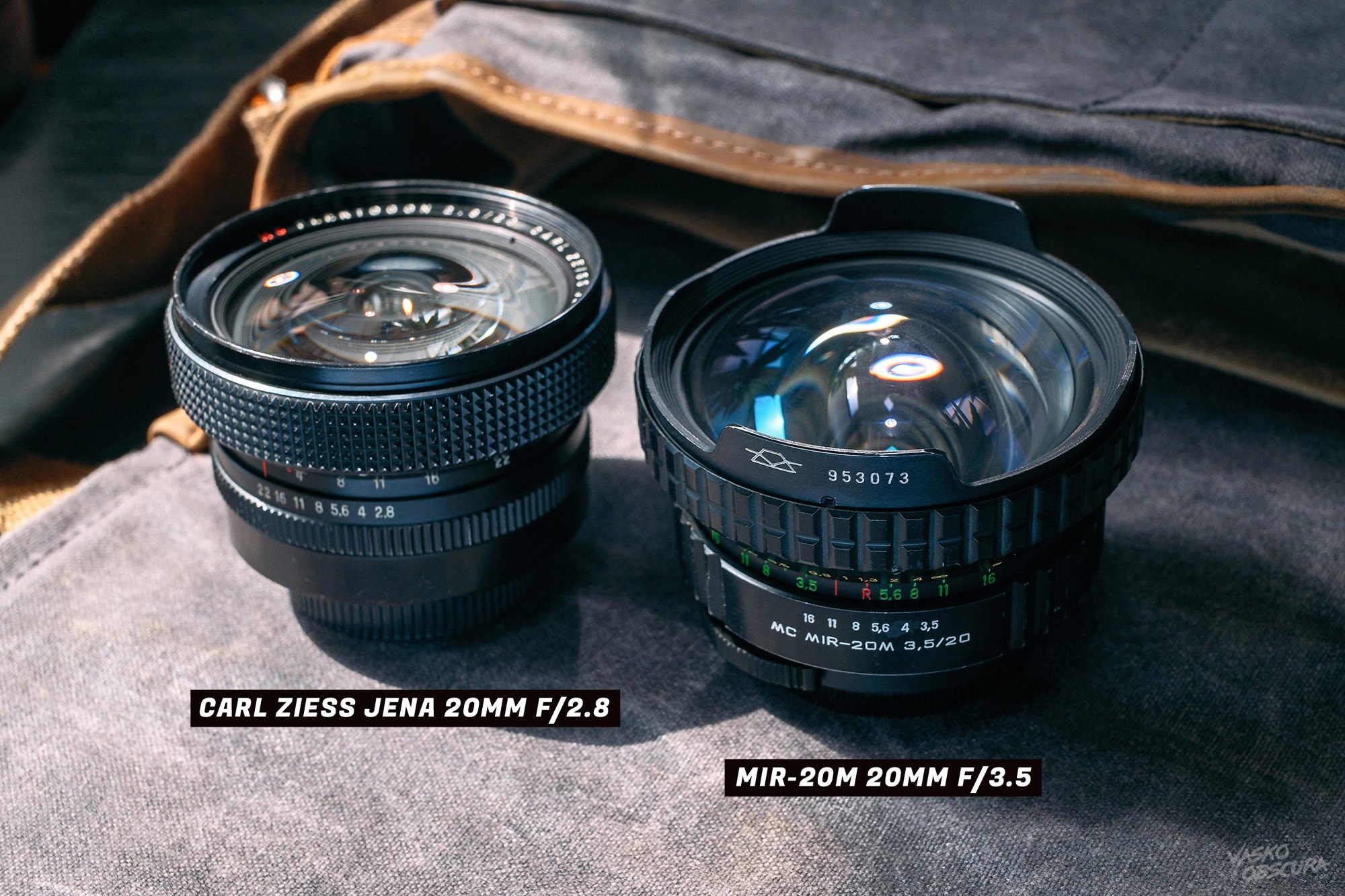
In terms of size, the Flektogon 20mm f/2.8 is compact and well-proportioned, especially considering its ultra-wide focal length. It doesn’t feel front-heavy, and it balances nicely on both vintage film cameras and modern mirrorless bodies. The lens has a slightly wider front profile due to the 67mm filter thread, but it never feels bulky. In fact, it’s a great travel lens because it offers a wide field of view without taking up much space in your bag.
Ergonomically, everything feels right where it should be. The grip on both the focus and aperture rings is well designed, making the lens easy to operate even in fast-paced shooting situations.
Mount & Adaptability (Modern Use)
arl Zeiss Jena 20mm f/2.8 Flektogon MC M42 mount
The Flektogon uses the M42 screw mount, which is one of the most adaptable lens mounts available today. Read the full history of the M42 mount here. With a simple adapter, you can mount this lens on:
Canon RF
Sony E
Nikon Z
Fujifilm X
Because there are no electronics, setup is straightforward. You’ll just need to enable “shoot without lens” in your camera settings. Once that’s done, the lens becomes incredibly easy to integrate into a modern workflow. If you’re unsure about the menu settings you need to enable to use vintage lenses on modern cameras check out this post.
Build Philosophy & Vintage Appeal
What really stands out about this lens is the philosophy behind its design. It was built in a time when lenses were meant to last, not be replaced every few years. The Flektogon feels like a tool, something you can rely on, something that ages well, and something that develops character over time. There’s also a certain uniqueness to owning a lens like this. It’s not just another piece of gear, it’s part of photographic history. And that’s something that adds real value beyond specs or performance.
Final Thoughts on Build & Handling
The Carl Zeiss Jena 20mm f/2.8 Flektogon MC is a beautifully built lens that delivers an exceptional tactile shooting experience. From its all-metal construction to its smooth focus ring and compact design, everything about it feels intentional and well crafted. It’s a lens that invites you to slow down, engage with your process, and enjoy the act of shooting. Whether you’re using it for photography or video, the handling alone makes it worth experiencing. And while this post focuses purely on physical attributes, it’s clear that the foundation of this lens its design, construction, and usability, is a big part of why it has remained so popular over the years.
🤓 Read Next:
Carl Zeiss Jena 20mm f/2.8 Flektogon MC Image Quality Review
A Complete History of the M42 Lens Mount - The “Universal” Vintage Lens Standard